
Sjogren Syndrome Arthralgia: Joint Protection, Hydration, and Fatigue Management
In short
Sjogren syndrome extends far beyond dry eyes and dry mouth, causing disabling joint friction, myalgias, and overwhelming central fatigue. Discover clinical joint protection principles, hydration strategies, and graded mobility protocols.
In this guide (6 sections)
Primary Sjogren syndrome is a systemic autoimmune disease predominantly targeting exocrine glands, such as the lacrimal and salivary glands, resulting in profound keratoconjunctivitis sicca and xerostomia. However, extraglandular manifestations are remarkably common, with up to 75 percent of patients suffering from persistent symmetrical polyarthralgia, non-erosive synovitis, and generalized myalgias. Furthermore, chronic, unremitting systemic fatigue affects over 80 percent of individuals, often proving more functionally debilitating than the dryness itself. Because systemic exocrine hyposecretion can also reduce lubricating mucous secretions across periarticular bursa and tendon sheaths, movement often feels stiff and friction-laden. Implementing tailored joint protection and energy conservation principles is paramount for preserving quality of life.
Domestic and Cultural Indian Realities
Managing Sjogren syndrome in an Indian household requires careful navigation of warm, dry seasonal climates and demanding domestic expectations. In many parts of India, scorching summer heat and arid winter winds exacerbate severe mucosal dryness and trigger systemic fatigue. Patients frequently experience dry, burning mouth while cooking over hot gas stoves, where smoke and spice fumes irritate sensitive ocular and oral tissues. Furthermore, chronic fatigue is frequently misunderstood by family members as ordinary tiredness, leading patients to push past their physical reserves to complete extensive household cleaning and hosting duties. Patients must maintain humidified indoor spaces, keep water bottles with lemon slices accessible at all times, and divide domestic chores into manageable 20-minute segments.
Clinical Biomechanics and Inflammatory Pathology
The musculoskeletal pathology in Sjogren syndrome involves lymphocytic infiltration and autoantibody production (anti-SSA/Ro and anti-SSB/La), leading to neuro-immune dysregulation and cytokine release. Synovial fluid volume may be marginally reduced, altering the boundary lubrication typically provided by lubricin and hyaluronic acid across articular cartilage. Consequently, high-load repetitive motion produces increased shear stress across articular surfaces and tenosynovial sheaths. The profound fatigue observed in Sjogren syndrome is mediated by autonomic nervous system dysfunction, subclinical orthostatic intolerance, and neuro-inflammation, necessitating an exercise strategy that avoids rapid cardiovascular exhaustion.
Clinical Assessment and Functional Staging
Clinical staging utilizes the EULAR Sjogren Syndrome Disease Activity Index (ESSDAI) to assess systemic organ involvement alongside the EULAR Sjogren Syndrome Patient Reported Index (ESSPRI), which scores dryness, limb pain, and fatigue. Physiotherapists evaluate joint range of motion, peripheral soft tissue tenderness, and screen for orthostatic hypotension by recording supine and standing blood pressures before initiating exercise. Endurance is assessed using a 2-minute step-in-place test.
Targeted Mobility and Joint Preservation Exercises
Exercise programmes should emphasize low-impact, fluid multi-joint movements combined with frequent sips of water to maintain mucosal comfort and avoid cardiovascular dehydration.
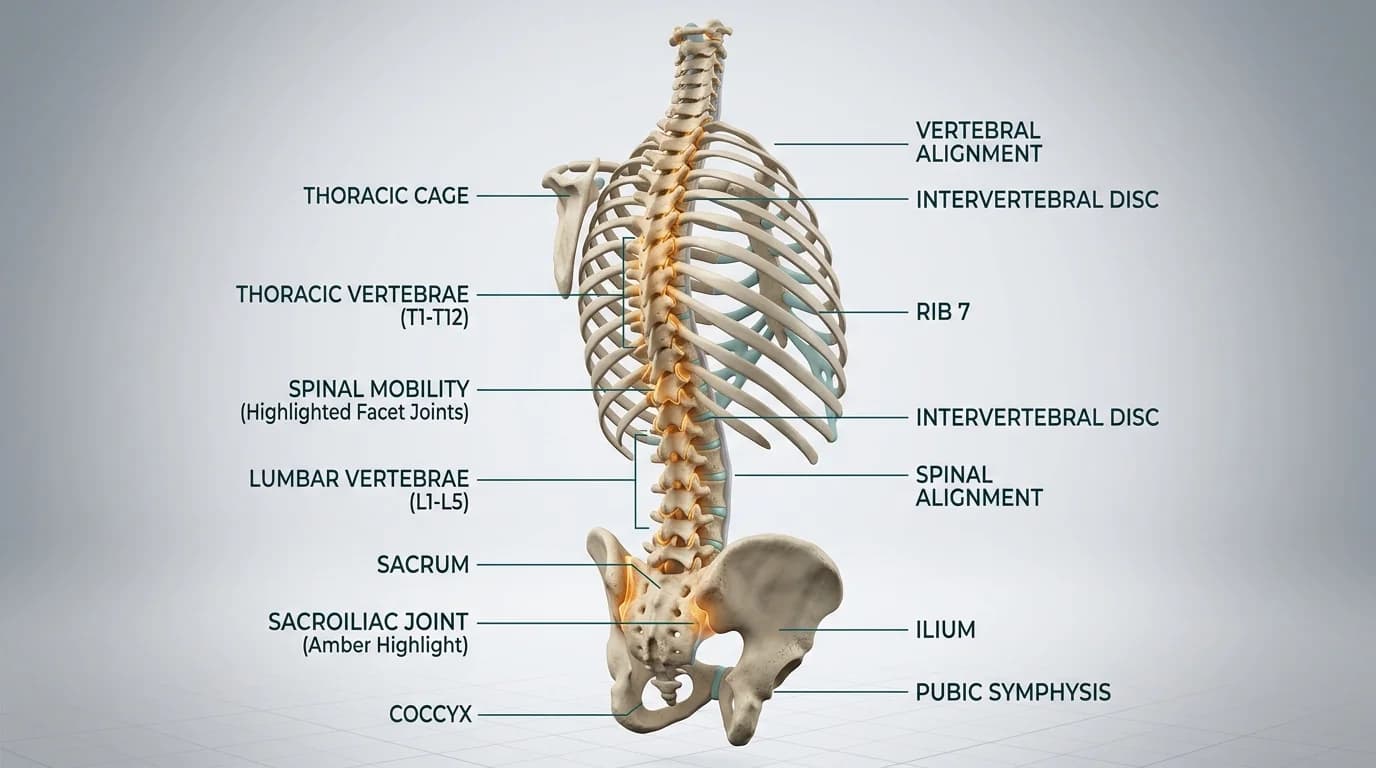
Seated Multi-Plane Thoracic Rotations with Synchronized Breathing
Objective: Preserve axial mobility, expand ribcage excursion, and promote parasympathetic tone without joint shearing
- 1Sit tall on a sturdy, comfortable chair with your feet flat on the floor and take a small sip of water.
- 2Cross your arms across your chest, resting each hand lightly on the opposite shoulder.
- 3Inhale gently, then slowly rotate your upper torso to the right side, turning your head comfortably in the same direction.
- 4Hold the mild stretch for 3 seconds, exhale smoothly as you return to centre, and repeat toward the left side.
| Clinical Parameter | Recommended Ergonomic Adaptation | Habitual High-Strain Pattern |
|---|---|---|
| Activity Pacing | Interval pacing: 20 minutes of domestic activity followed by 10 minutes of supported rest | Pushing continuously for hours until total physical and mental collapse |
| Joint Loading | Distributing weight across larger, proximal joints using two-handed carrying techniques | Carrying heavy bags or grocery totes using single-finger pinch grips |
| Environmental Control | Using room humidifiers, wearing protective moisture-chamber glasses, and sipping water | Exercising in dry, unventilated, air-conditioned rooms provoking severe ocular burning |
| Exercise Selection | Low-impact continuous walking, gentle yoga, and light water-based mobility | High-impact jumping, heavy weightlifting, or long-distance running inducing joint friction |
Red Flags and Immediate Rheumatology Escalation
Immediate medical escalation is necessary if a patient notices persistent, painless, firm swelling of the parotid or submandibular salivary glands, or new palpable lymphadenopathy, which requires urgent evaluation to rule out B-cell non-Hodgkin lymphoma. The development of purpuric skin rashes on the lower extremities suggests cutaneous leukocytoclastic vasculitis. Furthermore, progressive numbness, burning pain, or tingling in a stocking-glove distribution indicates peripheral sensory neuropathy requiring prompt neurological and rheumatological assessment.
Frequently Asked Questions
Can physiotherapy reverse Sjogren syndrome dryness or fatigue?
Physiotherapy cannot reverse Sjogren syndrome or reverse exocrine gland failure. However, evidence-based physiotherapy plays a vital supportive role by helping manage morning stiffness, reducing periarticular joint pain, and providing energy conservation pacing that significantly alleviates the burden of chronic fatigue.
How do I arrange a home visit by a physiotherapist through BookPhysio.in?
Under the National Commission for Allied and Healthcare Professions (NCAHP) Act 2021, patients in India can consult registered physiotherapists directly without a doctor referral. On BookPhysio.in, you schedule an appointment with a verified clinician who visits your home. You pay the consultation fee directly to the physiotherapist at your appointment using cash or UPI; BookPhysio.in does not collect booking fees online.
Related recovery guides & articles
BookPhysio.in Editorial Team
The BookPhysio.in editorial team writes and maintains this content, checking it against reliable clinical sources. Content follows our medical review policy: general information only, and no page claims a clinical review until a named registered physiotherapist has signed it off.
Read our medical review policy