
Telephone Cradling Strain: Neck, Shoulder, and Craniofacial Posture Correction
In short
Holding a phone between ear and shoulder causes severe asymmetric neck strain, trapezius spasm, and temporomandibular joint compression. Physiotherapy re-establishes craniocervical alignment and relieves joint stress.
In this guide (7 sections)
Telephone cradling: the habit of pinching a mobile phone or telephone handset between the ear and a raised shoulder to keep both hands free: is a frequent cause of combined craniocervical and temporomandibular pain. This awkward posture forces the cervical spine into extreme lateral flexion and rotation while hiking the shoulder. Concurrently, the handset presses firmly against the mandibular angle and cheek, shoving the lower jaw toward the opposite side. Patients typically present with unilateral upper trapezius spasm, neck stiffness, temporal headache, and jaw clicking or aching on the cradled side. Physiotherapy restores cervical mobility, releases hypertonic musculature, and realigns mandibular kinetics.
Domestic and Cultural Indian Realities
In Indian households and small commercial enterprises, multitasking while talking on the phone is commonplace. Professionals juggle phone calls while typing on laptops, shopkeepers take orders while packing goods, and homemakers converse with relatives while chopping vegetables or cooking at the kitchen stove. The universal domestic remedy is switching immediately to hands-free wired earphones, Bluetooth headsets, or speakerphone mode. Removing the handset from between the neck and shoulder provides immediate relief from ongoing mechanical trauma.
Clinical Biomechanics and Anatomical Healing
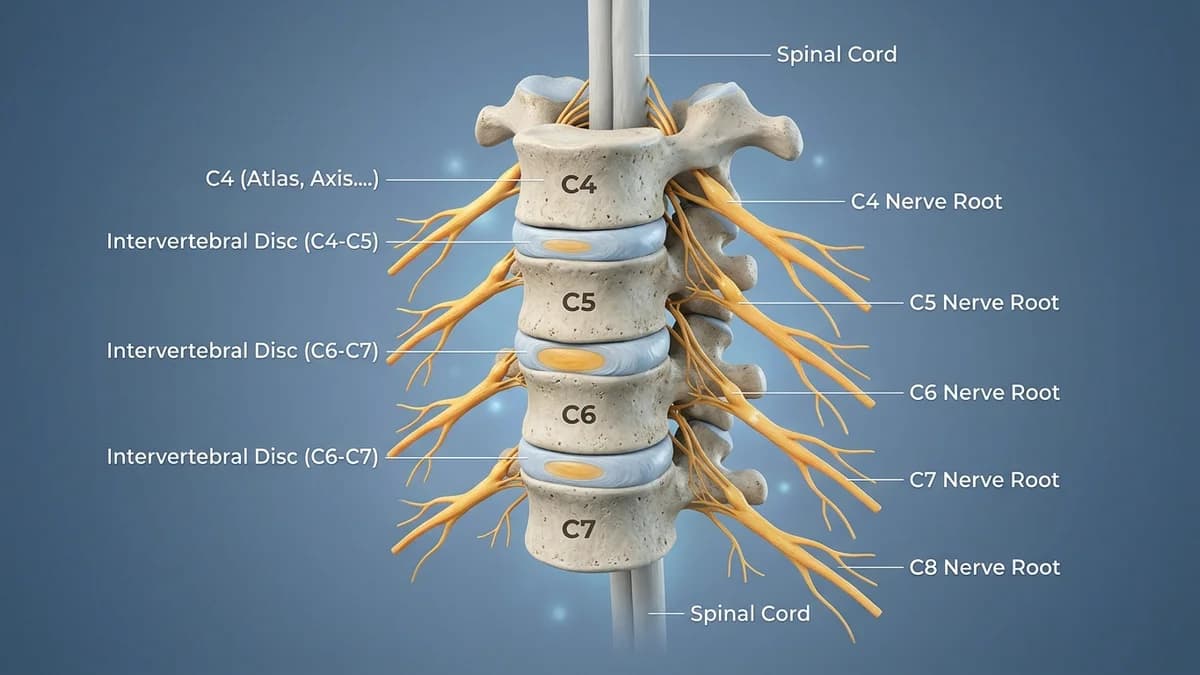
Sustained telephone cradling requires prolonged isometric contraction of the ipsilateral upper trapezius, levator scapulae, and sternocleidomastoid, leading to acute myofascial trigger points. The ipsilateral cervical facet joints (C2 to C5) are jammed into compressive lateral closure, while contralateral neural structures undergo tensile traction. Mechanically, the phone presses the mandible medially, forcing the ipsilateral condyle into the glenoid fossa while putting the lateral pterygoid and retrodiscal tissue under shear strain. Releasing the cervical rotators and restoring neutral head alignment unloads both the neck and jaw joints.
Clinical Assessment and Diagnostic Examination
Assessment reveals marked restriction in cervical lateral flexion toward the opposite side and limited contralateral rotation. The clinician palpates active trigger points in the upper trapezius and levator scapulae that refer pain into the temple and retro-orbital zone. Bilateral TMJ evaluation identifies lateral pole tenderness and asymmetric opening deviation. A neurological screening of the upper extremity rules out cervical radiculopathy.
Targeted Rehabilitation and Mobility Exercises
Rehabilitation emphasizes active contralateral cervical stretching with conscious scapular depression, combined with gentle mandibular centering drills to undo the lateral displacement.
Contralateral Cervical Lateral Stretch with Scapular Anchor
Objective: Elongates the shortened upper trapezius and levator scapulae while releasing compression on the TMJ.
- 1Sit tall on a sturdy chair, holding onto the edge of the seat with your hand on the painful side to anchor your shoulder down.
- 2Gently drop your opposite ear toward your opposite shoulder until you feel a firm, comfortable stretch along the side of your neck.
- 3Without straining, slightly turn your chin downward toward your armpit to stretch the deeper neck muscles.
- 4Hold the stretch steadily for 20 to 30 seconds while keeping your jaw relaxed and teeth separated.
- 5Slowly return to the upright position and repeat on the other side.
Rehabilitation Milestones and Recovery Timeline
| Phase and Weeks | Clinical Focus | Ergonomic & Exercise Intervention | Target Milestone | |
|---|---|---|---|---|
| Phase 1 (Weeks 0-2) | Ergonomic elimination & acute spasm release | 100% hands-free headset use, warm compresses | 50% reduction in neck tightness and temple headache | |
| Phase 2 (Weeks 2-5) | Cervical mobility & TMJ realignment | Trapezius stretches, mirror-guided jaw tracking | Symmetrical neck lateral flexion to 40 degrees | |
| Phase 3 (Weeks 5-8) | Scapular postural strengthening & endurance | Scapular retractions, deep neck flexor training | Complete resolution of referred ear and jaw pain | |
| Phase 4 (Weeks 8-12) | Long-term workstation integration | Ergonomic phone habits, routine posture breaks | Sustained pain-free neck and jaw function |
Red Flags and Specialist Escalation
Seek medical evaluation if neck pain is accompanied by electric shock sensations radiating down the arm, numbness or tingling in the hand and fingers, progressive grip weakness, or sudden dizziness upon turning the head.
Frequently Asked Questions
Can cradling my phone between my ear and shoulder permanently damage my jaw?
Persistent telephone cradling can cause chronic joint inflammation, disc displacement, and persistent muscle contracture. However, adopting hands-free headsets and undertaking targeted physiotherapy allows the strained tissues to recover fully.
Why does neck tightness make my jaw click when I chew?
Cradling forces your neck into awkward angles that tilt your skull, altering the resting position of your lower jaw. This puts the jaw joint under uneven tension, causing the joint disc to slip out of place and produce clicking sounds during chewing.
Related recovery guides & articles
BookPhysio.in Editorial Team
The BookPhysio.in editorial team writes and maintains this content, checking it against reliable clinical sources. Content follows our medical review policy: general information only, and no page claims a clinical review until a named registered physiotherapist has signed it off.
Read our medical review policy