
Vaginismus and Provoked Vestibulodynia: Graduated Dilator Therapy, Breathing, and Pelvic Physiotherapy in India
In short
Involuntary vaginal muscle spasms and intense burning pain at the introitus make intimacy or gynaecological exams distressing. Learn how graduated dilator therapy and pelvic physiotherapy restore comfort.
In this guide (6 sections)
Vaginismus, the involuntary, protective spasm of the pelvic floor muscles surrounding the outer third of the vagina, and localized provoked vestibulodynia (PVD), characterised by sharp burning pain upon light vestibular contact, are prevalent yet deeply stigmatised conditions across India. Many newly married women find themselves unable to consummate their marriages, facing intense emotional distress, guilt, and marital friction, often amplified by pressure from extended family to conceive. Women are frequently told that the issue is 'all in their head' or advised to relax and drink warm milk. However, vaginismus is a genuine, involuntary neuromuscular reflex that responds successfully to gentle, trauma-informed pelvic floor physiotherapy and graduated dilator therapy.
1. Functional Biomechanics: The Threat Reflex and Superficial Perineal Spasm
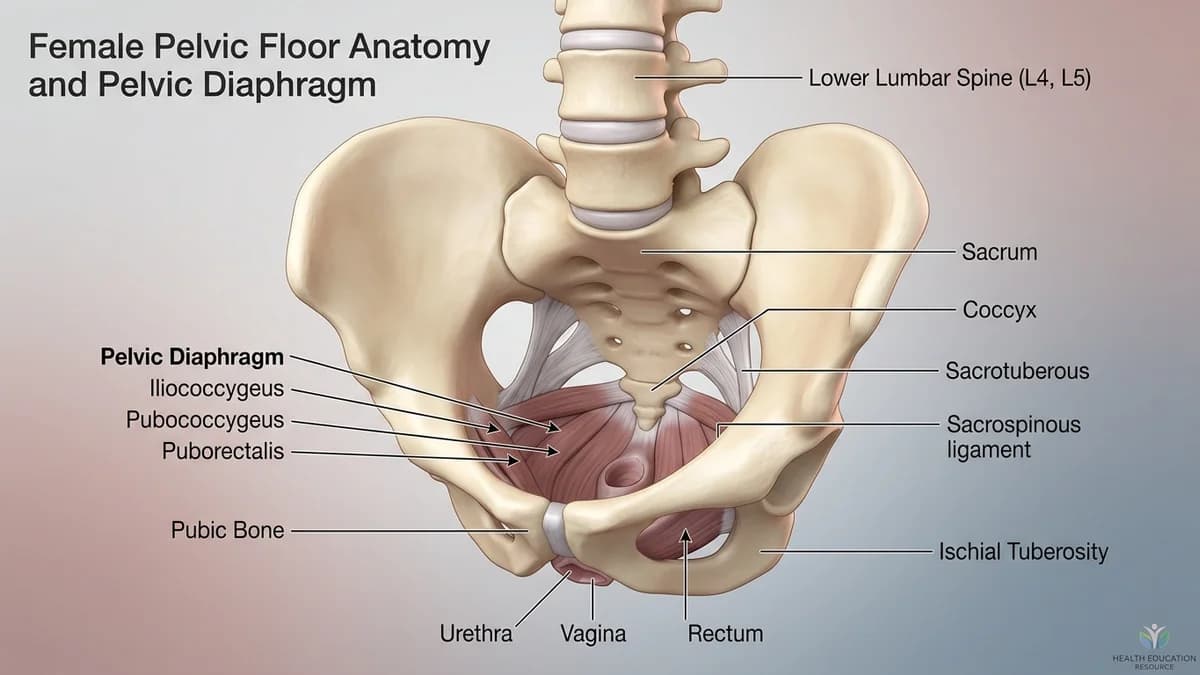
The vaginal opening is encircled by the superficial perineal muscles (bulbospongiosus, ischiocavernosus, superficial transverse perineal) and the deeper puborectalis sling. When an individual anticipates pain, whether from initial painful intercourse, severe thrush, or cultural fear and lack of anatomical education, the central nervous system activates a protective autonomic reflex. The sympathetic nervous system triggers instant, involuntary contraction of the levator ani and bulbospongiosus muscles, effectively closing the vaginal introitus. In provoked vestibulodynia, there is also localized neurogenic inflammation and proliferation of unmyelinated C-nerve fibres in the vestibular mucosa, causing light touch to be perceived as severe burning pain (allodynia).
2. Domestic Indian Context: Daily Chores, Ergonomics, and Privacy
Living in multi-generational joint households in India can make addressing sexual pain uniquely challenging. Thin bedroom walls, lack of sound privacy, and constant domestic obligations heighten baseline anxiety. Furthermore, the societal silence around female anatomy means many young women enter marriage with very little understanding of their own pelvic anatomy. Physiotherapists provide a safe, non-judgmental environment, educating women about their bodies and guiding them on how to practice private 15-minute home dilator sessions in their bedroom without pressure or time constraints.
3. Clinical Special Tests and Physical Examination
Clinical evaluation is conducted with extreme gentleness and patient consent at every step. The cotton swab (Q-tip) test is performed by lightly touching points along the vestibular clock face (at 1, 3, 5, 6, 7, 9, and 11 o'clock) to map localized burning pain. External visual inspection checks for mucosal erythema, while gentle external perineal palpation evaluates resting hypertonicity without any forced internal examination.
| Clinical Feature | Vaginismus | Provoked Vestibulodynia (PVD) | Overlapping Presentation |
|---|---|---|---|
| Primary Pathology | Involuntary muscular spasm of pelvic floor | Neuropathic mucosal hypersensitivity | Combined muscular spasm and mucosal pain |
| Pain Sensation | Severe tightness, 'hitting a brick wall' | Sharp burning, stinging like a paper cut | Intense burning followed by tight muscle cramp |
| Physical Exam Sign | Strong levator contraction on approach | Positive cotton swab test at introitus | Both positive swab test and levator hypertonus |
| First-Line Therapy | Diaphragmatic breathing, graduated dilators | Topical nerve calming agents, desensitisation | Integrated physiotherapy, dilators & psychology |
4. Stage-by-Stage Functional Physiotherapy Protocol
Recovery is progressive and self-paced, moving from diaphragmatic breathing and anatomical mapping to graduated medical silicone dilator use and functional relaxation.
Phase 1: Mirror Exploration and Diaphragmatic Pelvic Drops
Objective: De-threaten pelvic anatomy and learn voluntary control over pelvic floor relaxation.
- 1Prop yourself up with pillows on your bed in a comfortable semi-reclined position with knees bent and relaxed open.
- 2Hold a handheld mirror to view your vulva and identify your anatomical structures: clitoris, urethra, vaginal opening, and perineum.
- 3Inhale deeply through your nose, feeling your belly expand and noticing your vaginal opening naturally soften and drop downward.
- 4Exhale softly through open lips, keeping your pelvic floor completely still and relaxed.
- 5Practice gently touching the outer labia with your own lubricated finger while maintaining calm diaphragmatic breathing.
Phase 2: Graduated Medical Silicone Dilator Therapy (Size 1 and 2)
Objective: Desensitise vaginal stretch receptors and train the bulbospongiosus muscle to accommodate entry without reflex spasm.
- 1Warm a medical-grade silicone dilator (starting with size 1, typically the width of a small finger) in clean warm water.
- 2Apply a generous amount of sterile water-based lubricant to both the dilator tip and your vaginal opening.
- 3Lie comfortably, take 3 slow diaphragmatic breaths, and gently rest the dilator tip against the vaginal opening without pushing.
- 4As you take a slow, deep inhale and feel your pelvic floor drop downward, gently guide the dilator inward at a 45-degree angle toward your lower back.
- 5Never force past resistance. Hold the dilator in place comfortably for 5 to 10 minutes while breathing steadily, then remove gently.
Phase 3: Active Dilator Movement and Clock-Face Stretching
Objective: Build tolerance to movement, angle changes, and transition to larger dilator sizes.
- 1Once a dilator size is comfortable at rest, gently rotate the dilator 360 degrees.
- 2Apply slight, sustained pressure downward toward 6 o'clock (toward the rectum) and hold for 30 seconds while breathing deeply.
- 3Gently slide the dilator in and out by 1 to 2 centimetres to simulate gentle movement.
- 4Maintain relaxation in your jaw, shoulders, and gluteal muscles throughout the session.
- 5Progress to the next dilator size only when the current size enters smoothly and without pain.
Consult a gynaecologist promptly if you experience: sudden unexplained vaginal bleeding, foul-smelling vaginal discharge, severe pelvic pain accompanied by fever, or blistering sores on the vulva, which indicate acute infection rather than simple muscular vaginismus.
5. Clinic Consultation, Home Visits, and Transparent Fee Benchmarks
Under the National Commission for Allied and Healthcare Professions (NCAHP) Act 2021, patients in India can consult a registered pelvic health physiotherapist directly without an upfront referral, though BookPhysio.in does not ask for one. Pelvic health consultations for vaginismus are conducted with utmost gentleness, privacy, and empathy in specialized clinical rooms. Consultations in Indian metropolitan areas range between ₹500 and ₹1,500 per visit, with home visits ranging from ₹700 to ₹2,000 where available. Patients pay their physiotherapist directly at each consultation, with no platform commission.
6. Frequently Asked Questions
Can vaginismus be cured permanently through physiotherapy in India?
Vaginismus responds exceptionally well to structured pelvic health physiotherapy, with clinical success rates exceeding 85 to 90 percent. By retraining the involuntary muscle reflex, desensitising mucosal nerve endings, and building confidence through graduated dilator therapy, women achieve comfortable, pain-free intimacy and can comfortably undergo routine gynaecological examinations.
Does my husband need to attend pelvic physiotherapy sessions for vaginismus?
While initial evaluations and dilator training are typically conducted one-on-one with your physiotherapist, involving your partner in later educational sessions is often helpful. Educating both partners on pelvic anatomy, removing pressure, and synchronising communication creates a supportive, stress-free home environment.
Related recovery guides & articles
BookPhysio.in Editorial Team
The BookPhysio.in editorial team writes and maintains this content, checking it against reliable clinical sources. Content follows our medical review policy: general information only, and no page claims a clinical review until a named registered physiotherapist has signed it off.
Read our medical review policy