
Building Durable Foot Arches: Long-Term Biomechanical Conditioning and Preventing Fascial Recurrence
In short
Learn how to build durable, resilient foot arches, strengthen intrinsic muscles, maintain calf flexibility, and prevent plantar fasciopathy recurrence permanently.
In this guide (4 sections)
The ultimate triumph in musculoskeletal physiotherapy is not merely relieving acute clinical pain, but building durable, resilient tissue architecture that permanently resists future injury recurrence. Plantar fasciopathy has notoriously earned a reputation for frequent relapses, with clinical studies indicating that up to forty percent of patients experience a symptom recurrence within two years of initial recovery. In the overwhelming majority of cases, recurrence does not represent an unavoidable biological fate; rather, it reflects a premature cessation of rehabilitation. When patients become pain-free at week six or eight, they frequently discontinue their strengthening exercises, discard supportive footwear, and return to punishing domestic and occupational routines before their degenerate collagen matrix has achieved full structural maturity. Preventing recurrence requires a lifelong commitment to the active foot core system: maintaining posterior kinetic chain flexibility, building intrinsic muscular arch resilience, and adhering to sensible footwear habits.
Barefoot Marble Floor Living, Prolonged Kitchen Standing, and Thin Flat Slippers
In Indian lifestyles, maintaining long-term foot durability requires navigating permanent domestic realities. The unyielding marble and granite floor slabs in modern Indian residences will never become softer, nor will the culinary demands of preparing fresh family meals from scratch at kitchen counters disappear. Homemakers, retail workers, and office professionals must recognize that their feet operate in high-demand environments. Maintaining durable arches means permanently abandoning flimsy, paper-thin flat chappals and worn-out bathroom slippers, adopting high-quality contoured indoor recovery footwear as an ongoing lifestyle choice. By keeping supportive footwear right at the door and maintaining strong intrinsic foot muscles, individuals can navigate home life and religious ceremonies with complete confidence and zero heel pain.
Windlass Mechanism Strain, Calcaneal Enthesopathy, and Plantar Thickness
The biological foundation of long-term durability lies in collagen cross-linking, tissue remodulation, and structural thickness normalization. High-resolution diagnostic ultrasound follow-up studies reveal that while subjective pain often resolves within six to eight weeks of beginning loading protocols, true sonographic normalization of fascial thickness (returning from 6.0 mm down toward normal 3.0 to 3.5 mm levels) and complete reorganization of parallel type I collagen bundles requires four to six months of sustained mechanical loading. Discontinuing exercises prematurely leaves the enthesis in a partially healed, structurally vulnerable state. Sustaining progressive tensile loading ensures that mature intermolecular pyridinoline cross-links consolidate the matrix, restoring the physiological tensile strength and elastic energy return of the Hicks Windlass mechanism.
Rathleff High-Load Towel Training, Low-Dye Taping, and Intrinsic Foot Doming
Long-term maintenance rehabilitation shifts from high-frequency therapy to a sustainable weekly conditioning routine. Patients transition from performing the Rathleff high-load strength protocol every other day to a maintenance dose of twice weekly, performing three sets of ten heavy repetitions with a rolled towel under the toes to preserve collagen tensile stiffness. Daily habits incorporate seated or standing Janda short-foot doming drills and slant-board calf stretches to prevent gastrocnemius tightness from creeping back. Footwear is monitored regularly, replacing running shoes and indoor sandals every five hundred to eight hundred kilometers or whenever the midsole EVA foam exhibits permanent compression lines. This integrated maintenance strategy guarantees that the foot arch remains an active, dynamic shock-absorbing system throughout life.
Lifelong Maintenance: Weekly Rathleff Heel Raise and Dynamic Balance Routine
Objective: Maintain maximal collagen tensile stiffness in the plantar fascia and sustain intrinsic foot core stability for life
- 1Place an exercise step or sturdy wooden block near a wall, positioning a rolled hand towel across the step edge.
- 2Step onto the platform with your toes extended firmly upward over the towel roll into full Windlass engagement.
- 3Rise up onto the ball of your foot over 3 seconds, holding the peak single-leg contraction for 2 seconds while holding a light dumbbell or wearing a weighted backpack.
- 4Lower your heel down below the step level over 3 controlled seconds, repeating for 3 sets of 10 repetitions.
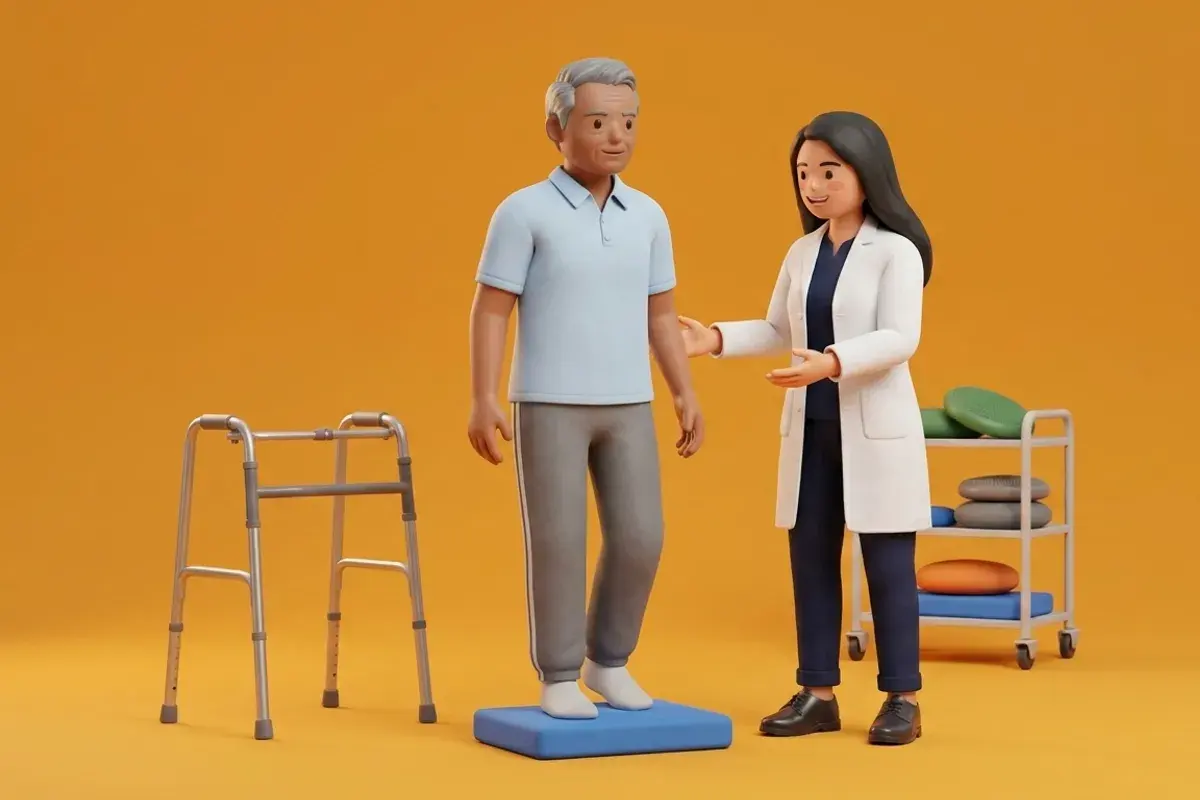
- 5Follow immediately by balancing barefoot on a single leg on a cushioned foam mat for 60 seconds with your arch actively domed.
| Biomechanical Domain | Vulnerable / Relapse-Prone State | Durable / Bulletproof Foot Arch | Maintenance Strategy |
|---|---|---|---|
| Plantar Fascia Tensile Capacity | Partially healed, thickened degenerate matrix; susceptible to sudden tensile spikes | Mature, organized type I collagen bundles with high tensile load tolerance | Twice-weekly maintenance Rathleff protocol with progressive weighted loading |
| Foot Core Intrinsic Muscle Tone | Atrophied abductor hallucis; reliance on passive bone collapse for stability | Hypertrophied, active foot core dynamically lifting the medial arch during stance | Daily Janda short-foot doming exercises integrated into standing habits |
| Domestic Footwear Habits | Barefoot on hard marble floors; wearing flat, unsupportive rubber slippers | Consistent use of supportive, contoured indoor recovery sandals on stone floors | Permanent indoor footwear policy; replace worn-out slippers annually |
Even in long-term maintenance, listen closely to your body's signals. If after months of pain-free living you experience a sudden pop in your arch during a high-impact sport, an acute fascial tear must be ruled out. If severe, deep bone aching develops in the heel following an abrupt increase in walking, perform the calcaneal squeeze test to exclude a stress fracture. Obtain prompt orthopaedic evaluation and diagnostic imaging.
Frequently Asked Questions
Do I have to do these foot strengthening exercises forever to stop my heel pain from returning?
You do not need to spend hours exercising every day, but incorporating a brief maintenance routine, such as doing the Rathleff heel raises twice a week and practicing your short-foot arch doming while brushing your teeth, is the best insurance policy against heel pain. Just like brushing your teeth maintains dental health, dedicating five minutes a week to foot strength keeps your collagen fibers strong, your arches resilient, and your steps completely pain-free for life.
Do I need a doctor referral to treat plantar fasciitis on BookPhysio.in?
BookPhysio.in does not require a doctor referral. Under the National Commission for Allied and Healthcare Professions (NCAHP) Act 2021, patients across India enjoy direct access to autonomous registered physiotherapists. Through BookPhysio.in, you connect directly with verified clinicians and pay per session with transparent fees, completely free from advance package commitments, commission markups, or platform subscription charges.
Related condition guides



Related recovery guides & articles
BookPhysio.in Editorial Team
The BookPhysio.in editorial team writes and maintains this content, checking it against reliable clinical sources. Content follows our medical review policy: general information only, and no page claims a clinical review until a named registered physiotherapist has signed it off.
Read our medical review policy