
Complex Regional Pain Syndrome (CRPS Type 1): Early Triage in Post-Fracture Ankles
In short
Recognize the early warning signs of CRPS Type 1, master Budapest diagnostic criteria, and initiate gentle desensitization and graded motor imagery.
In this guide (4 sections)
Complex Regional Pain Syndrome Type 1 (CRPS-1), formerly termed reflex sympathetic dystrophy (RSD) or Sudeck's atrophy, represents one of the most debilitating neuro-inflammatory complications that can arise following an ankle fracture or surgical immobilization. Affecting approximately two to seven percent of distal lower limb fracture patients, CRPS-1 is characterized by severe, unremitting pain that is disproportionate in magnitude and duration to the expected course of bone healing. The disorder involves a profound dysregulation of the autonomic nervous system, exaggerated neurogenic inflammation, peripheral nociceptor sensitization, and maladaptive cortical reorganization within the central somatosensory cortex. Because therapeutic outcomes decline steeply if treatment is delayed, rapid clinical recognition and early triage by physiotherapists are vital to prevent permanent dystrophic contractures.
Coping with Sensitivity to Bed Linens, Cool Air, and Bath Water
In Indian daily life, an individual experiencing early CRPS-1 faces severe distress from innocuous environmental stimuli. Normal domestic comforts become unbearable: the light brush of a cotton bedsheet or dupatta across the ankle triggers excruciating, burning pain (allodynia). Drafts of cool air from a ceiling fan or air conditioner can provoke severe vasomotor spasm, turning the foot pale, cold, and intensely painful. Bathing becomes an ordeal, as warm water poured from a bucket or light touching with a towel is perceived as scalding or agonizing. Patients frequently become terrified of placing the foot down, wrapping it in thick layers of cloth, and refusing to move their toes. Family members often misunderstand this profound distress as exaggeration or psychological weakness, underscoring the urgent need for clinical validation, education, and gentle intervention.
Budapest Diagnostic Criteria, Autonomic Dysregulation, and Neurogenic Inflammation
The clinical diagnosis of CRPS-1 is established using the internationally validated Budapest Criteria, requiring continuous pain disproportionate to the inciting event, alongside signs and symptoms across at least three of four specific domains: sensory (hyperalgesia or allodynia to light touch), vasomotor (temperature asymmetry greater than one degree Celsius or skin color changes), sudomotor/edema (asymmetric swelling or localized hyperhidrosis), and motor/trophic (reduced range of motion, muscle weakness, tremor, or dystrophic changes in nail and hair growth). The underlying pathophysiology involves sustained antidromic release of pro-inflammatory neuropeptides (substance P and calcitonin gene-related peptide) from peripheral C-fibers, coupled with pathological alpha-1 adrenergic receptor hyper-responsiveness on cutaneous blood vessels, driving persistent neurogenic edema and microvascular ischemia.
Non-Provocative Rehabilitation: Graded Motor Imagery, Mirror Therapy, and Desensitization
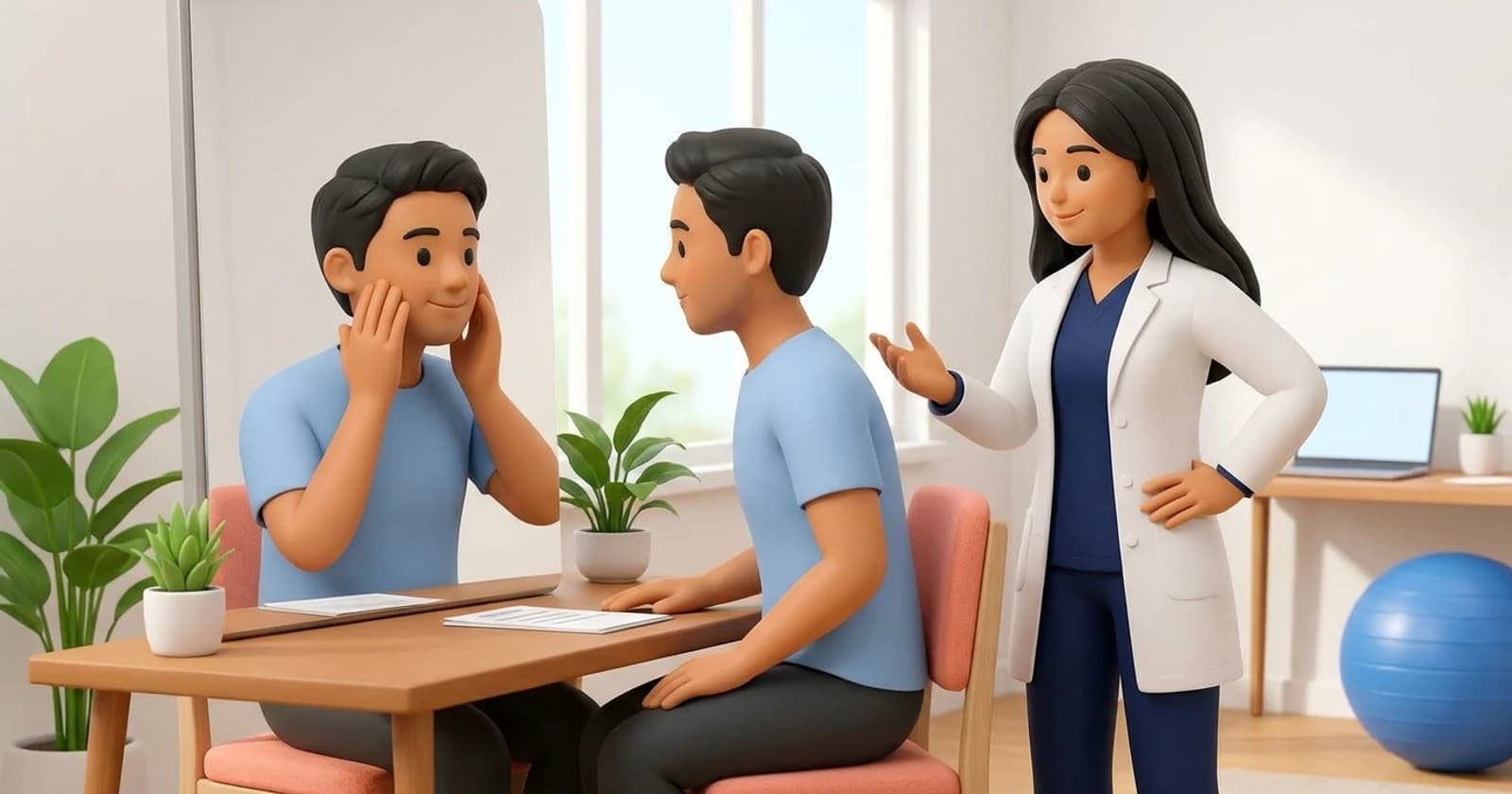
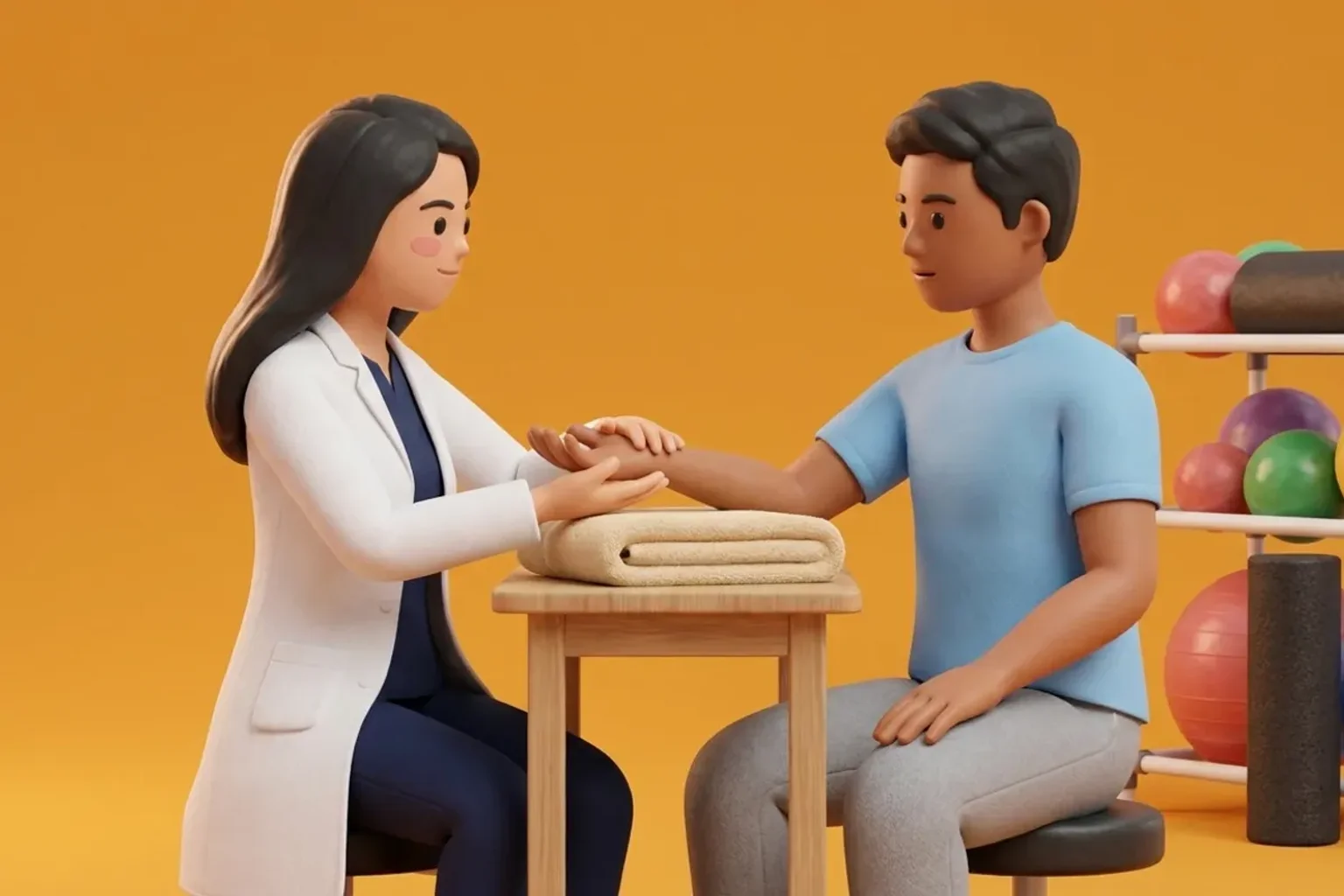
Traditional aggressive physiotherapy that forces movement through severe pain is strictly contraindicated in CRPS-1, as it exacerbates neurogenic inflammation and drives central sensitization. Modern physiotherapeutic management relies on non-provocative central and peripheral retraining. Treatment initiates with Graded Motor Imagery (GMI), beginning with implicit motor imagery: the patient identifies right versus left foot images on digital flashcards to normalize premotor cortical representations. Step two involves explicit motor imagery: mentally rehearsing ankle movement without actual muscle contraction. Step three utilizes mirror therapy: the patient moves their healthy foot in front of a vertical mirror while looking at its reflection, creating visual feedback that tricks the brain into perceiving normal, pain-free movement in the affected limb. Gentle sensory desensitization with soft fabrics, light tactile exposure, and active contrast immersion gradually recalibrates hypersensitive peripheral pathways.
Mirror Visual Feedback Gentle Ankle Mobilization Drill
Objective: Rewire disrupted cortical body schema and activate motor cortex pathways without provoking pain afferents
- 1Position a full-length, vertical mirror lengthwise between your legs while sitting comfortably on a flat bed or floor.
- 2Position your recovering, hypersensitive foot behind the mirror so it is completely hidden from your direct line of sight.
- 3Position your uninjured, healthy foot directly in front of the reflective surface of the mirror.
- 4Look into the mirror at the reflection of your healthy foot, focusing your attention so it appears to be your recovering foot moving comfortably.
- 5Slowly move your uninjured foot through gentle, smooth ankle circles, dorsiflexion, and toe wiggles for five minutes while visualizing painless movement.
| Budapest Clinical Domain | Diagnostic Signs & Symptoms | Pathophysiological Mechanism | Targeted Physiotherapy Strategy |
|---|---|---|---|
| Sensory Domain | Hyperalgesia to pinprick; allodynia to light touch or clothing | Peripheral C-fiber sensitization; dorsal horn wind-up | Graded texture desensitization, fluidotherapy, TENS |
| Vasomotor Domain | Skin temperature difference > 1 deg C; mottled skin discoloration | Autonomic sympathetic hyperactivity; microvascular spasm | Gentle contrast baths, warm ambient room conditioning |
| Sudomotor / Edema | Brawny pitting edema; asymmetrical profuse foot sweating | Neurogenic extravasation; macromolecular protein leakage | Light retrograde lymphatic drainage, gentle Tubigrip wrap |
| Motor / Trophic | Severe joint stiffness; rapid nail growth changes; hair loss | Cortical body schema loss; arthrogenic motor inhibition | Graded Motor Imagery, mirror therapy, pain-free active ROM |
CRPS-1 is a medical emergency where early intervention within the first twelve weeks dramatically improves the prognosis for full recovery. If a patient displays marked allodynia, unexplained skin temperature asymmetry, or severe burning pain that worsens despite normal fracture healing, immediately contact the treating orthopaedic surgeon and pain management specialist for multidisciplinary care.
Frequently Asked Questions
Why does my ankle burn and change color even though the X-ray shows the bone is completely healed?
This intense burning and skin discoloration is caused by an overactive response of your autonomic nerves following the trauma of the fracture and surgery. The nerves that control your blood vessels and pain signals have become hypersensitive, firing intense pain messages even from gentle touch. Specialized gentle therapies like mirror exercises and gradual texture retraining help calm these overactive nerves.
Do I need a doctor referral to rehabilitate an ankle fracture on BookPhysio.in?
BookPhysio.in does not require a doctor referral. Under the National Commission for Allied and Healthcare Professions (NCAHP) Act 2021, patients across India enjoy direct access to autonomous registered physiotherapists. Through BookPhysio.in, you connect directly with verified clinicians and pay per session with transparent fees, completely free from advance package commitments, commission markups, or platform subscription charges.
Related condition guides
Related recovery guides & articles
BookPhysio.in Editorial Team
The BookPhysio.in editorial team writes and maintains this content, checking it against reliable clinical sources. Content follows our medical review policy: general information only, and no page claims a clinical review until a named registered physiotherapist has signed it off.
Read our medical review policy