
Physiotherapy for Complex Regional Pain Syndrome (CRPS)
Quick answer
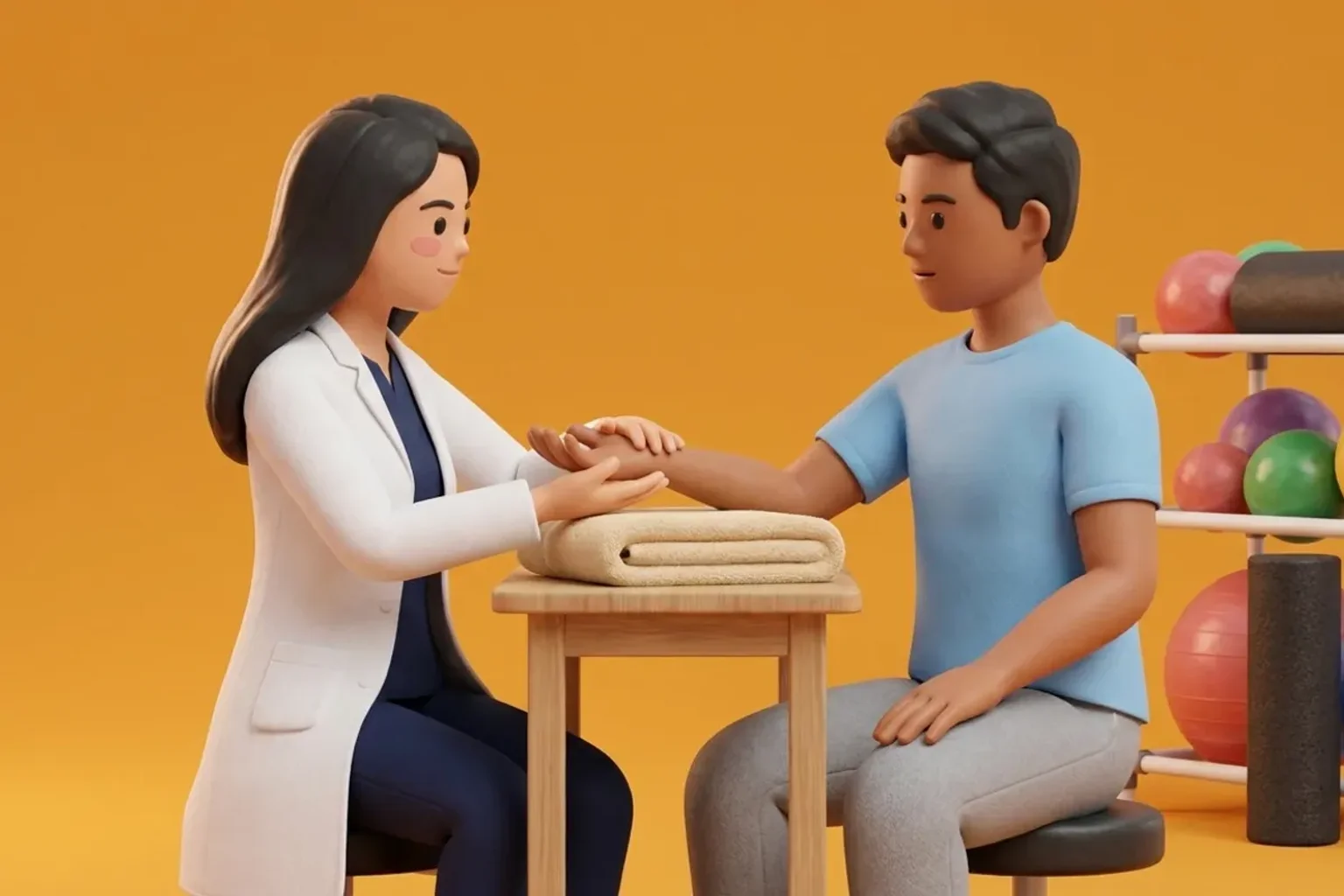
Physiotherapy is central to managing complex regional pain syndrome (CRPS). Guided graded motor imagery, tactile desensitisation, mirror therapy, and gentle active limb movement retrain central sensory processing, reduce allodynia, and restore functional limb use without triggering symptom flare-ups.
- Severe burning pain disproportionate to harm
- Skin temperature swelling and colour changes
- Diagnosed clinically using Budapest criteria
- Graded motor imagery retrains cortical maps
- Gentle active movement prevents limb guarding
What is complex regional pain syndrome (CRPS)?
Complex regional pain syndrome (CRPS) is a disabling condition marked by severe, disproportionate burning pain, swelling, skin colour and temperature changes, and extreme sensitivity to touch (allodynia), most often following a fracture, sprain, or surgery of the wrist, hand, ankle, or foot. Because aggressive passive stretching flares symptoms, evidence-based physiotherapy uses the Budapest criteria and graded motor imagery (laterality training, imagined movements, and mirror therapy) to normalise brain-body cortical maps, alongside gentle tactile desensitisation and functional paced loading.
Neurological Physiotherapy
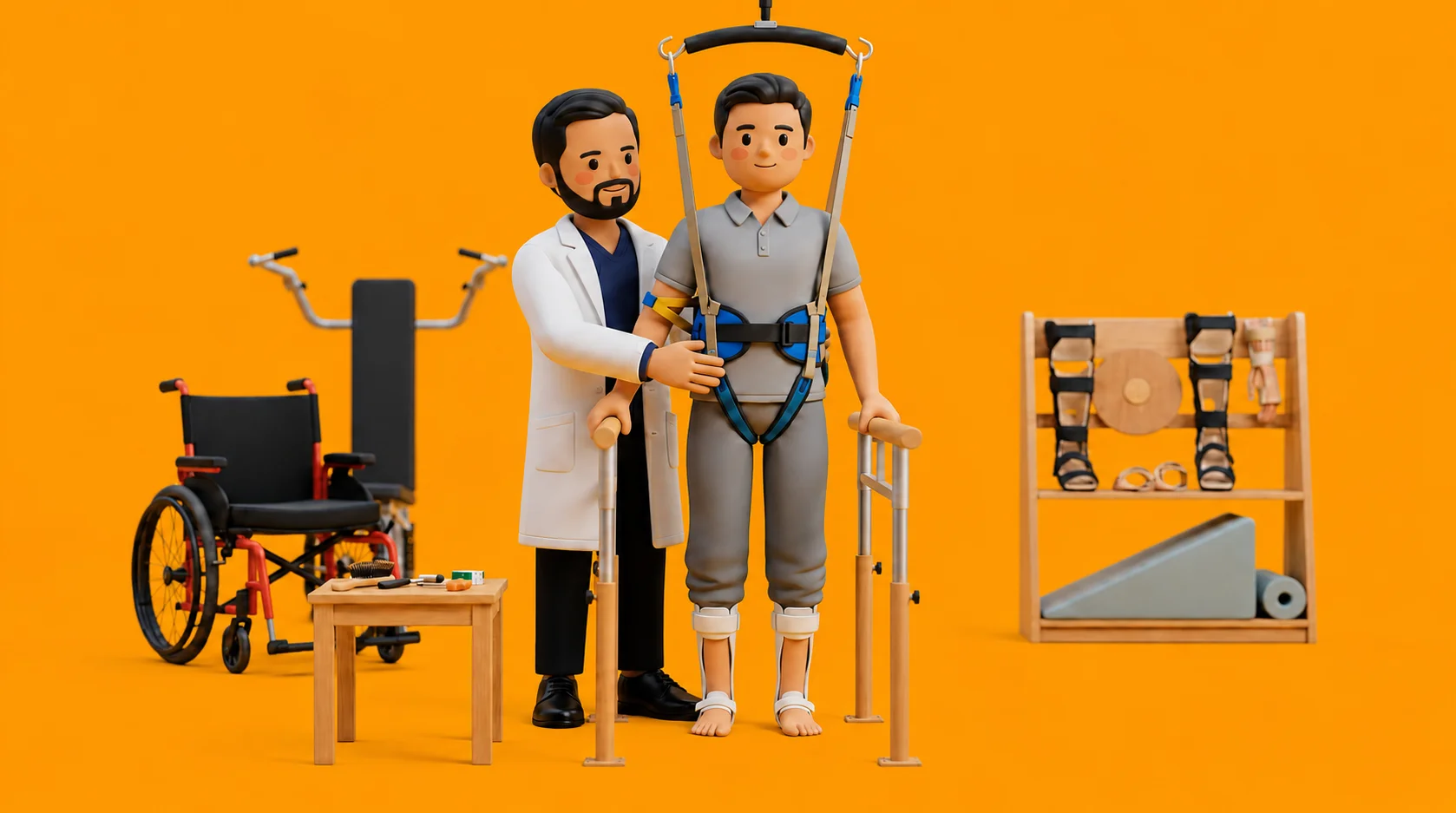
Complex Regional Pain Syndrome (CRPS) is assessed and treated under Neurological physiotherapy (nerves & brain). Stroke recovery, nerve rehabilitation, and neurological movement disorders.
How physiotherapy helps
- Graded motor imagery and laterality training
- Mirror therapy for sensory cortex calming
- Tactile desensitisation with graded textures
- Gentle active movement avoiding pain flares
- Paced daily functional tasks and limb loading
Common signs
- Severe, continuous burning, stinging, or throbbing pain out of proportion to the original injury or surgery
- Allodynia (intense pain from light touch, bedsheets, or a gentle breeze) and hyperalgesia
- Noticeable temperature asymmetry between limbs, with the affected area feeling abnormally hot or icy cold
- Skin colour changes ranging from mottled red to pale white or purplish blue, accompanied by localized swelling
- Joint stiffness, muscle weakness, tremors, and trophic changes such as altered nail growth, hair loss, or thin shiny skin
In-clinic vs home visit physiotherapy
| What to compare | In-clinic | Home visit |
|---|---|---|
| Typical fee | ₹300 to ₹1,500 a session. It depends on your city. | ₹400 to ₹2,000 a session. It depends on your city. |
| Exact fee | Set by each physiotherapist and shown on their profile | Set separately for home visits and shown on their profile |
| Best for | Equipment-based rehab and first assessments | Limited mobility, post-surgery, and elderly care |
| Equipment | Full clinic setup | Portable equipment the physiotherapist brings |
| Travel | You travel to the clinic | The physiotherapist comes to you |
| Booking | Pick a clinic slot on search | Filter by home visit on search |
Clinical rehabilitation framework
Evidence-informed clinical progression and starter exercise targets for complex regional pain syndrome (CRPS).
Clinical progression criteria & key observations
- Early mobilisation, graded motor imagery, and mirror therapy have the strongest evidence base among physiotherapy interventions for CRPS
- Diagnosis is clinical, using the Budapest criteria; there is no single confirmatory test, and other causes (infection, DVT, undiagnosed fracture) should be excluded first
Starter exercise targets & evidence-based dosage
When to seek urgent care
Physiotherapy is safe for most people. See a doctor urgently if you have any of these.
- Rapidly spreading limb redness, high fever, and extreme warmth warranting immediate exclusion of cellulitis or acute infection
- Sudden severe unilateral calf or thigh swelling and tenderness requiring urgent evaluation for deep vein thrombosis (DVT)
- Unexplained progressive motor weakness or loss of pulse in the distal limb
- Severe unmanaged pain causing extreme distress and sleep deprivation requiring urgent pain team review
Seek urgent medical care first. Physiotherapy comes after, when it is safe.
Frequently asked questions
What is graded motor imagery for CRPS and why is it used?
Can I get physiotherapy for complex regional pain syndrome at home?
Is forceful massage or passive stretching recommended for CRPS?
How much does physiotherapy for complex regional pain syndrome cost in India?
Related conditions & care

Clinical guides & articles for complex regional pain syndrome (CRPS)
Evidence-informed articles, recovery timelines, and home care advice from our clinical library.
Complex Regional Pain Syndrome (CRPS): Budapest Criteria and Graded Motor Imagery
CRPS causes severe, disproportionate neuropathic pain, autonomic swelling, and limb neglect. Learn Budapest diagnostic criteria and the 3 stages of Graded Motor Imagery.
Mirror Therapy in Stroke and Phantom Limb Pain: Mirror Neurons, Cortical Remapping and Protocols
Looking at the mirror reflection of a healthy moving arm tricks the brain into activating damaged motor networks. Learn mirror neuron science, stroke protocols, and phantom limb relief.
Phantom Limb Pain: Mirror Therapy, Sensory Discrimination & Cortical Remapping
Burning, stabbing pain in a foot that is no longer there is a devastating neurological reality. Learn how mirror therapy and cortical remapping rewire the brain to extinguish phantom pain.
Post-Sarcoma Amputation: Phantom Limb Pain, Mirror Visual Feedback, and Residual Limb Shaping
Post-amputation rehabilitation for malignant bone sarcoma combines rigid residual limb shaping, progressive desensitization, and graded mirror visual feedback for phantom pain.
Find physiotherapists for complex regional pain syndrome (CRPS) by city
Verified physiotherapists treat complex regional pain syndrome (CRPS) in these cities. Home visit and in-clinic options vary by physiotherapist.
Find a physiotherapist for complex regional pain syndrome (CRPS)
Compare physiotherapists by fee, experience, and availability. Clinic visits and home visits across India.
This page is for general education and booking guidance. It does not diagnose your condition or replace medical care.
If your symptoms are severe, sudden, or getting worse, seek urgent medical care first. The same applies with fever, chest pain, breathlessness, fainting, new weakness, loss of bladder or bowel control, or unexplained bleeding.
Always consult a qualified physiotherapist or doctor about your condition.