
Diabetic Peripheral Neuropathy: DN4/LANSS Scoring, Sensory Stocking Deficits, and Fall Prevention
In short
Diabetic peripheral neuropathy impairs sensory feedback and dynamic balance; utilizing DN4 screening and sensory reweighting prevents foot ulcers and falls.
In this guide (4 sections)
Hyperglycemic Microvascular Endarteritis and Polyol Pathway Neurotoxicity
Diabetic Peripheral Neuropathy (DPN) is the most frequent microvascular complication of diabetes mellitus, affecting over 50% of individuals with long-standing Type 1 and Type 2 diabetes. Chronic intracellular hyperglycemia drives glucose into the alternative polyol pathway, where aldose reductase converts excess glucose to sorbitol, depleting intracellular myo-inositol and blunting Na+/K+-ATPase pump activity. Concurrently, non-enzymatic glycation generates Advanced Glycation End-Products (AGEs) that bind to endothelial receptors (RAGE), inducing reactive oxygen species (ROS) and microvascular endarteritis of the vasa nervorum.
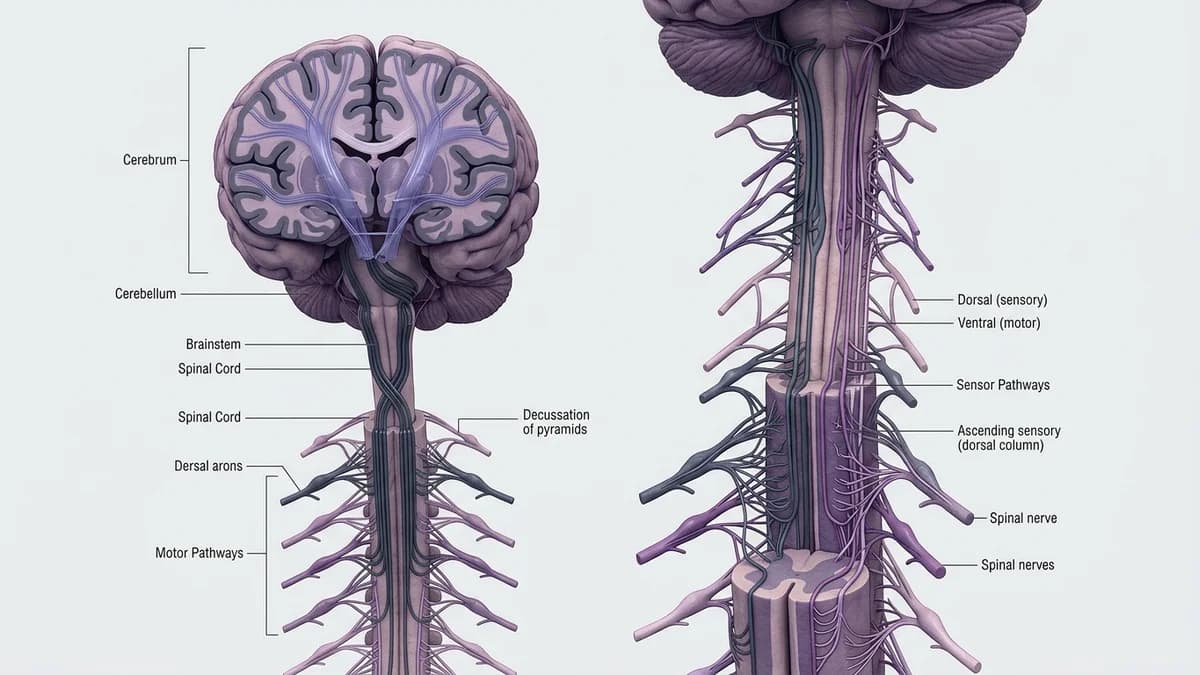
Ischemia of the capillary bed supplying peripheral nerve fibers induces progressive distal, symmetric, length-dependent sensorimotor polyneuropathy ('stocking-glove' distribution). Initial damage destroys small unmyelinated C-fibers and thinly myelinated A-delta fibers, causing burning nocturnal neuropathic pain, cold allodynia, and hyperalgesia (painful DPN). As disease advances, large myelinated A-beta fibers degenerate, leading to loss of protective sensation (LOPS), vibration loss, proprioceptive sensory ataxia, and high vulnerability to neuropathic diabetic foot ulcers and falls.
Standardized Clinical Outcome Measures and Neuropathic Staging
| Assessment Tool / Metric | Measurement Protocol / Construct | Pathological Score Threshold | Clinical Action / Orthotic Mandate | |
|---|---|---|---|---|
| DN4 Neuropathic Pain Questionnaire | 10-item clinician-administered score (burning, electric shocks, brushing pain) | Score >= 4 / 10 confirms NEUROPATHIC PAIN etiology (sensitivity 83%) | Coordinate medical neuropathic therapy (pregabalin / duloxetine) | |
| LANSS Pain Scale | Leeds Assessment of Neuropathic Symptoms and Signs (0 to 24) | Score >= 12 confirms pain driven predominantly by neuropathic mechanisms | Differentiates neuropathic foot burning from musculoskeletal plantar fasciitis | |
| 10-Gram Semmes-Weinstein Monofilament | Pressure applied perpendicular to 10 plantar sites until monofilament buckles | Inability to feel filament at >= 2 sites indicates Loss of Protective Sensation (LOPS) | HIGH ULCER RISK: Mandatory diabetic protective cushioned orthotics | |
| 128-Hz Tuning Fork (Vibration) | Timed vibration perception at dorsum of big toe interphalangeal joint | Vibration lost in < 10 seconds (or completely absent) | Confirms large fiber dorsal column loss and severe sensory ataxia | |
| Functional Gait Assessment (FGA) | 10 dynamic walking balance tasks (eyes closed, head turns, pivots) (0-30) | Score <= 22 / 30 indicates high risk of prospective falls | Initiate multi-surface balance retraining and prescribe assistive cane |
Standardized Clinical Rehabilitation Protocols and Sensory Reweighting
- Sensory-Reweighted Balance Training on Firm and Compliant Surfaces: Train dynamic balance with narrow base of support, tandem standing, and gentle head turns on firm surfaces before progressing to compliant foam pads; because foot proprioception is diminished in DPN, training the brain to rely on vestibular and visual cues cuts fall rates by over 40%.
- Daily Mandatory Foot Mirror Inspection Protocol: Teach the patient to inspect the bottoms of both feet, heels, and between toes daily using an unbreakable long-handled floor mirror; loss of protective sensation means a pebble in a shoe or a minor blister can progress silently to deep osteomyelitis and amputation without pain.
- Footwear Prescription: smooth Diabetic Shoes with Custom Orthotics: Enforce wearing wide-toe-box diabetic shoes with smooth linings and custom multi-density plastazote insoles; never walk barefoot, even indoors; plastazote insoles distribute peak plantar pressures away from the metatarsal heads, preventing neuropathic ulcers.
Frequently Asked Questions
Why do my feet burn and throb at night when I am trying to sleep?
High blood sugar over many years damages the tiny blood vessels that feed the nerves in your feet. When the tiny sensory nerve fibers are damaged, they start misfiring spontaneously, especially at night when you are resting quietly, causing intense sensations of burning, tingling, or electric shocks.
What is the 10-gram nylon filament test my doctor does on my feet?
A doctor or physiotherapist touches a small, flexible nylon wire to the bottom of your feet until it bends. If you cannot feel that light touch, it means you have lost your 'protective sensation.' You would not feel a sharp pebble, nail, or blister inside your shoe, putting you at high risk for foot sores.
Why shouldn't a person with diabetic neuropathy ever walk barefoot at home?
Because your feet cannot feel sharp pain normally, stepping on a small piece of glass, a dropped pin, or even a hard breadcrumb can puncture your skin without you knowing it. Walking barefoot can lead to deep, hidden infections, so you should always wear supportive, cushioned slippers indoors.
Related condition guides


Related recovery guides & articles
BookPhysio.in Editorial Team
The BookPhysio.in editorial team writes and maintains this content, checking it against reliable clinical sources. Content follows our medical review policy: general information only, and no page claims a clinical review until a named registered physiotherapist has signed it off.
Read our medical review policy