
Direct Access Physiotherapy for Hip Impingement and Osteoarthritis Under the NCAHP Act 2021
In short
Learn how India's NCAHP Act 2021 empowers you to consult registered physiotherapists directly for hip pain without needing a prior doctor referral.
In this guide (4 sections)
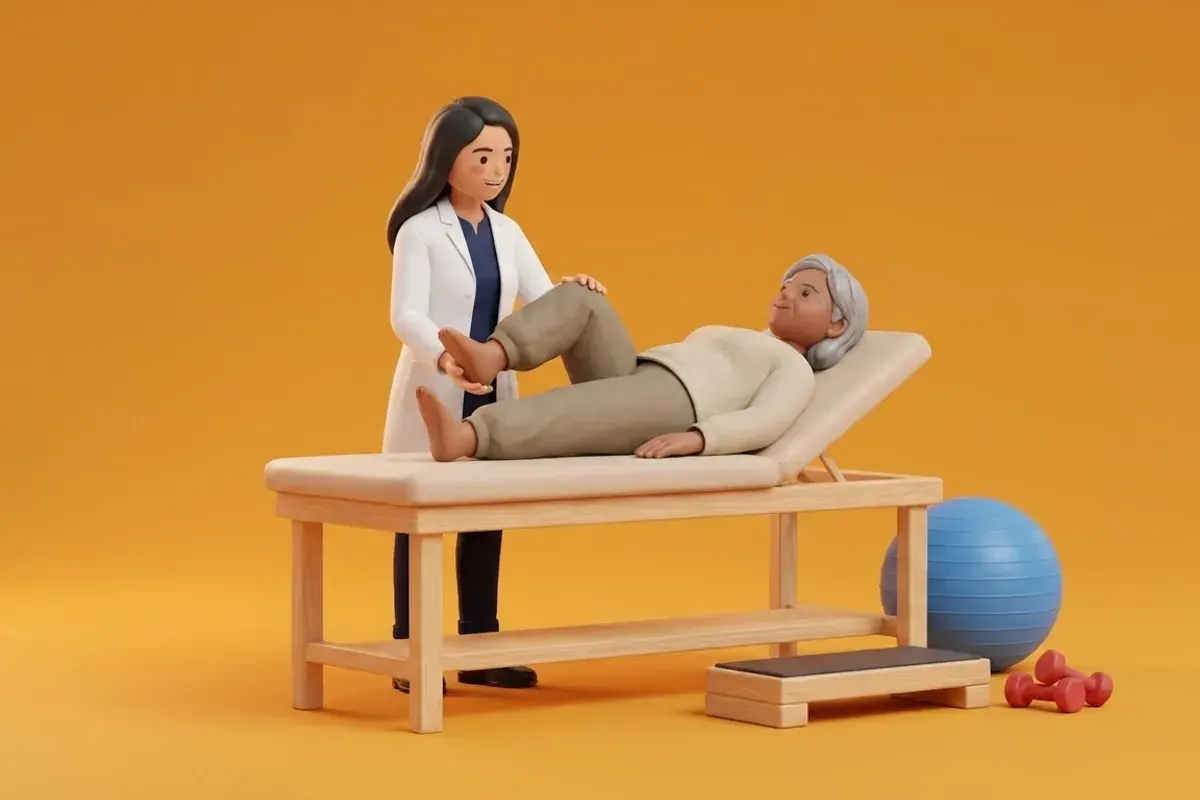
For decades, the path to seeking physiotherapy care across India was burdened by widespread public misunderstanding and outdated institutional gatekeeping. Patients suffering from groin aching, joint stiffness, or walking limitations historically believed they were legally required to visit a general physician or orthopaedic surgeon first to obtain a written prescription before consulting a physiotherapist. This multi-layered process created unnecessary delays in care, increased healthcare expenditures, and often resulted in patients receiving weeks of passive pharmacological pain masking rather than early active mechanical intervention. The passage of the landmark National Commission for Allied and Healthcare Professions (NCAHP) Act 2021 by the Parliament of India fundamentally transformed Indian healthcare delivery. The NCAHP Act formally recognizes qualified physiotherapists as autonomous, primary-contact healthcare professionals with the legal authority to independently assess, diagnose, triage, and treat musculoskeletal disorders without requiring a medical referral.
Empowering Families Across Metro Cities, Tier-2 Towns, and Rural Regions
The real-world domestic impact of direct access physiotherapy is profound across Indian communities. In bustling metropolitan cities like Delhi, Bengaluru, and Chennai, eliminating the requirement for a prior doctor referral saves busy working adults and senior citizens days of navigating crowded hospital outpatient departments and paying redundant specialist consultation fees. In tier-2 and tier-3 cities across Uttar Pradesh, Maharashtra, and Bihar, where access to specialized orthopaedic surgeons is often limited to distant district hospitals, direct access empowers patients to consult registered local physiotherapists immediately when hip pain begins. Whether an elder struggles to stand from floor seating after morning puja or a young commuter experiences groin twinges after riding a scooter, consulting an autonomous physiotherapist directly provides rapid, evidence-based triage and early movement rehabilitation, preventing minor mechanical conflicts from becoming chronic joint disabilities.
Primary-Contact Differential Diagnosis, Red Flag Triaging, and Clinical Autonomy
The clinical legitimacy of direct access physiotherapy rests upon the rigorous diagnostic training and autonomous scope of practice established by the NCAHP Act 2021. An autonomous physiotherapist does not simply apply modalities; rather, they perform a comprehensive, primary-contact physical and systemic differential diagnosis. When a patient presents with anterior hip or groin pain, the clinician conducts a systematic clinical screening to distinguish benign intra-articular femoroacetabular impingement from serious medical red flags that mimic joint pain. Utilizing standardized clinical examination clusters, the physiotherapist screens for avascular necrosis (AVN), occult femoral neck stress fractures, septic arthritis, inflammatory sacroiliitis, gynecological pathology, and abdominal hernias. If red flag indicators are identified, the autonomous physiotherapist immediately coordinates urgent diagnostic imaging and refers the patient to the appropriate medical specialist, serving as an effective, safety-first healthcare guardian.
Early Conservative Intervention Windows, Diagnostic Stewardship, and Health Economics
Direct access physiotherapy fundamentally alters the health economics and clinical trajectory of hip disorders. Research across global healthcare systems demonstrates that patients who consult an autonomous physiotherapist within the first two weeks of musculoskeletal symptom onset experience faster functional recovery, lower long-term disability rates, and require significantly fewer costly advanced imaging scans and prescription opioids. By evaluating movement faults, pelvic tilt habits, and capsular tightness at the very beginning of symptom onset, the direct access physiotherapist can implement targeted biomechanical corrections before structural labral tearing or severe cartilage thinning occurs. Through platforms like BookPhysio.in, patients across India can effortlessly verify a clinician's registration credentials under the NCAHP framework and book direct, autonomous consultations, receiving immediate, high-quality clinical care.
Daily Five-Minute Hip and Core Autonomous Mobility Maintenance Routine
Objective: Maintain physiological hip joint mobility and core stabilization to prevent recurrent mechanical impingement
- 1Stand tall on a firm floor, placing your hands on your pelvic bones to monitor posture and pelvic alignment.
- 2Perform ten slow, controlled standing posterior pelvic tilts, engaging your lower abdominals to tuck your tailbone slightly.
- 3Transition to a sturdy chair and perform ten controlled sit-to-stand repetitions, focusing on driving smoothly through your heels.
- 4Lie flat on your back on a firm mat and complete ten gentle supine heel slides per leg, moving within a comfortable, pain-free range.
- 5Conclude with ten gentle standing hip extensions per leg, squeezing your gluteal muscles firmly without arching your lower back.
| Legislative Dimension | Provisions Under NCAHP Act 2021 | Direct Clinical Benefit to Indian Patients |
|---|---|---|
| Autonomous Practitioner Status | Legally defines physiotherapists as independent primary-contact professionals | Zero requirement for prior doctor referral or written prescription |
| National & State Register Mandate | Mandatory registration with State Councils or National Commission | Guarantees clinician holds recognized university qualifications (BPT/MPT) |
| Autonomous Diagnostic Scope | Authority to perform physical differential diagnosis and red flag triaging | Rapid identification of serious conditions and timely surgical referrals |
| Direct Healthcare Access | Patients can schedule appointments directly across clinic and home settings | Saves time, eliminates duplicate consultation fees, accelerates recovery |
Under the NCAHP Act 2021, practicing physiotherapy in India requires a recognized university degree (Bachelor of Physiotherapy - BPT or Master of Physiotherapy - MPT) and active registration with a State Physiotherapy Council or the National Commission. BookPhysio.in verifies every clinician's council registration credentials so you receive care only from fully accredited, qualified professionals.
Frequently Asked Questions
Can I legally visit a physiotherapist for my hip pain without getting a prescription from an orthopedic doctor first?
Yes, absolutely. Under the National Commission for Allied and Healthcare Professions (NCAHP) Act 2021 passed by the Parliament of India, physiotherapists are recognized as independent, primary-contact healthcare practitioners. You have the full legal right to book an appointment directly with a qualified physiotherapist for assessment and treatment without needing a referral or prescription from any other medical doctor.
Do I need a doctor referral to see a hip physiotherapist on BookPhysio.in?
BookPhysio.in does not require a doctor referral. Under the National Commission for Allied and Healthcare Professions (NCAHP) Act 2021, patients across India enjoy direct access to autonomous registered physiotherapists. Through BookPhysio.in, you connect directly with verified clinicians and pay per session with transparent fees, completely free from advance package commitments, commission markups, or platform subscription charges.
Related condition guides



Related recovery guides & articles
BookPhysio.in Editorial Team
The BookPhysio.in editorial team writes and maintains this content, checking it against reliable clinical sources. Content follows our medical review policy: general information only, and no page claims a clinical review until a named registered physiotherapist has signed it off.
Read our medical review policy