
Direct Access Plantar Fasciitis Physiotherapy: Autonomous Practice Under the NCAHP Act 2021
In short
Learn how the landmark NCAHP Act 2021 grants patients across India direct access to autonomous registered physiotherapists for expert heel pain care.
In this guide (4 sections)
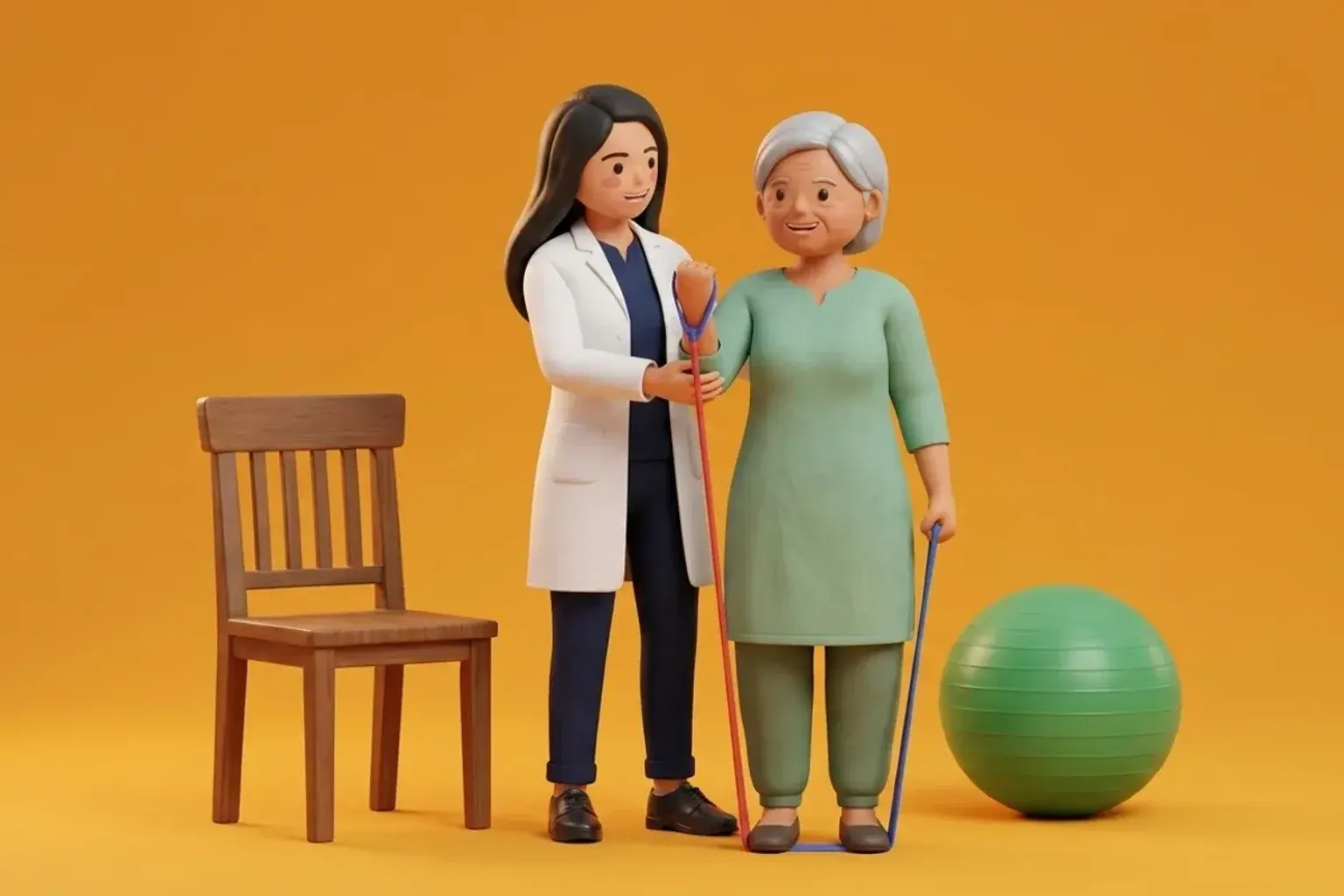
In the history of healthcare delivery in India, the passage of the National Commission for Allied and Healthcare Professions (NCAHP) Act 2021 by the Parliament of India represents a historic, transformative milestone. For decades, outdated administrative traditions led many patients to believe that consulting a physiotherapist required a mandatory prior prescription or referral from a general physician or orthopaedic surgeon. The NCAHP Act 2021 decisively eliminated this barrier, establishing physiotherapy as an independent, autonomous healthcare profession recognized under national law. Under this statutory framework, registered physiotherapists possess the full legal and professional authority to perform primary diagnostic evaluations, order relevant functional assessments, conduct differential clinical triage, and prescribe comprehensive evidence-based rehabilitation protocols. For individuals suffering from plantar fasciopathy and heel pain, direct access enables rapid, early clinical intervention, eliminating unnecessary medical delays and costly hospital consultations.
Barefoot Marble Floor Living, Prolonged Kitchen Standing, and Thin Flat Slippers
In Indian healthcare realities, delays in accessing expert physiotherapy frequently allow acute, easily treatable plantar fasciitis to deteriorate into chronic, degenerate fasciopathy. A patient experiencing initial morning heel pain often waits weeks to secure an appointment with a busy hospital specialist, receives a brief prescription for non-steroidal anti-inflammatory painkillers or a steroid injection, and returns home to resume unmanaged habits: walking barefoot across hard marble or granite floors and wearing unsupportive flat chappals. NSAIDs mask symptoms without addressing degenerate collagen breakdown, while unyielding domestic stone floors continue to traumatize the enthesis. Direct access empowers patients to consult a specialized musculoskeletal physiotherapist immediately upon symptom onset, receiving ergonomic domestic guidance, low-Dye taping, and targeted exercise prescription from day one.
Windlass Mechanism Strain, Calcaneal Enthesopathy, and Plantar Thickness
An autonomous registered physiotherapist is comprehensively trained in differential diagnosis, functional pathology, and clinical red flag identification. When evaluating plantar heel pain, the clinician conducts a thorough physical assessment that differentiates mechanical plantar fasciopathy from high-risk mimics, including calcaneal trabecular stress fractures, Baxter nerve entrapment, tarsal tunnel syndrome, S1 radiculopathy, and systemic seronegative spondyloarthropathies (such as ankylosing spondylitis or reactive arthritis). Utilizing evidence-based orthopedic special tests, including the Windlass test, the calcaneal squeeze test, Tinel percussion, and neurodynamic tension testing, the physiotherapist determines whether the condition is appropriate for primary rehabilitation or mandates immediate multidisciplinary orthopaedic referral.
Rathleff High-Load Towel Training, Low-Dye Taping, and Intrinsic Foot Doming
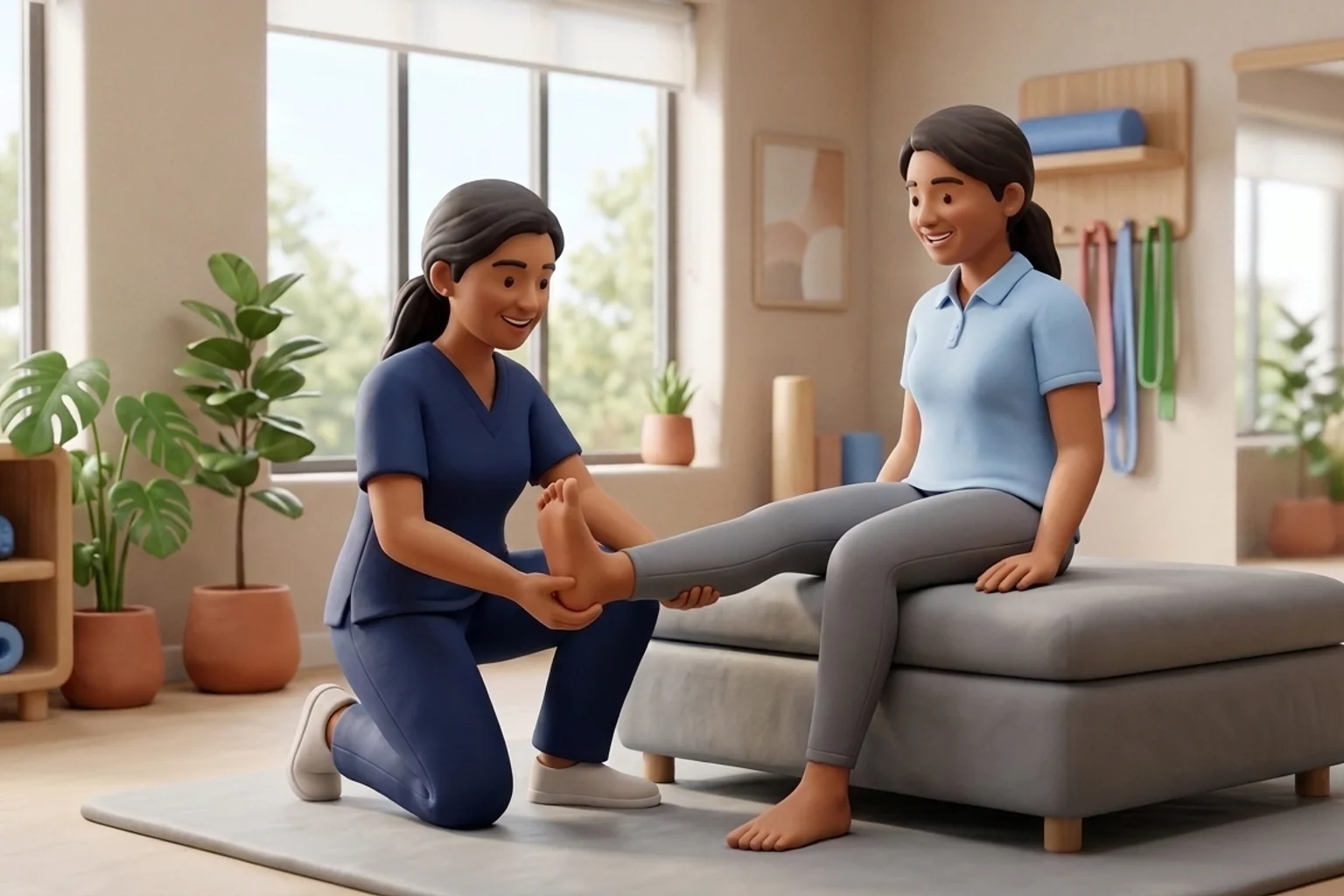
Once a mechanical fasciopathy is confirmed, direct access allows the physiotherapist to implement immediate, definitive evidence-based care without waiting for bureaucratic approvals. The clinician applies therapeutic low-Dye taping for instant pain relief, prescribes contoured prefabricated orthotics, and initiates the Rathleff high-load strength protocol, guiding the patient through progressive heel raises over a rolled towel to stimulate collagen remodeling. The physiotherapist also evaluates the entire kinetic chain, addressing calf tightness, hamstring contractures, and intrinsic foot muscle weakness through short-foot doming drills. This comprehensive, autonomous model delivers superior clinical outcomes, accelerates functional recovery, and achieves exceptional patient satisfaction.
Physiotherapist-Guided First-Step Morning Warm-Up Routine
Objective: Prepare the plantar fascia and Achilles tendon for painless morning first steps under direct physiotherapy guidance
- 1Sit on the edge of your bed before placing your feet on the floor, crossing your affected foot over your opposite knee.
- 2Perform 15 gentle ankle circles in each direction to stimulate synovial fluid circulation.
- 3Gently grasp your toes and bend them backward toward your shin for 20 seconds, feeling a gentle stretch in your foot arch.
- 4Use your thumb to massage along the taut band of your arch for 60 seconds from the heel toward your toes.
- 5Slip directly into your cushioned, supportive indoor slippers before taking your first weight-bearing steps.
| Healthcare Parameter | Outdated Referral-Dependent Model | Autonomous Direct Access (NCAHP Act 2021) | Clinical Patient Benefit |
|---|---|---|---|
| Access Timeline to Care | 2 to 6 week delay waiting for specialist visits and prescription approvals | Immediate access; consult an autonomous physiotherapist directly upon symptom onset | Early intervention prevents acute fasciitis from becoming chronic fasciopathy |
| Diagnostic Scope & Triage | Passive reliance on third-party prescription; limited biomechanical evaluation | Comprehensive physical exam, Windlass testing, red flag screening, differential triage | Accurate diagnosis identifies true mechanical drivers and excludes bone fractures |
| Treatment Approach | Frequently relies on passive pain medications, rest, or aggressive steroid injections | Evidence-based active loading (Rathleff protocol), low-Dye taping, and kinetic chain rehab | Durable structural collagen remodeling without reliance on harmful drugs |
Under the NCAHP Act 2021, registered physiotherapists are bound by strict professional ethical standards to screen for red flags. If your heel pain is accompanied by exquisite calcaneal squeeze tenderness (stress fracture), an acute audible pop with arch bruising (fascial rupture), or signs of systemic infection or inflammatory arthritis, your autonomous physiotherapist will provide immediate stabilization and coordinate prompt orthopaedic consultation.
Frequently Asked Questions
Do I need a doctor referral to see a physiotherapist for heel pain on BookPhysio.in?
No, you do not need a doctor referral. Under the National Commission for Allied and Healthcare Professions (NCAHP) Act 2021, registered physiotherapists are legally recognized as independent primary-contact clinicians. You have the full legal right to book an appointment directly with a verified, autonomous physiotherapist on BookPhysio.in, receive a comprehensive clinical evaluation, and begin targeted treatment immediately.
Do I need a doctor referral to treat plantar fasciitis on BookPhysio.in?
BookPhysio.in does not require a doctor referral. Under the National Commission for Allied and Healthcare Professions (NCAHP) Act 2021, patients across India enjoy direct access to autonomous registered physiotherapists. Through BookPhysio.in, you connect directly with verified clinicians and pay per session with transparent fees, completely free from advance package commitments, commission markups, or platform subscription charges.
Related condition guides
Related recovery guides & articles
BookPhysio.in Editorial Team
The BookPhysio.in editorial team writes and maintains this content, checking it against reliable clinical sources. Content follows our medical review policy: general information only, and no page claims a clinical review until a named registered physiotherapist has signed it off.
Read our medical review policy