
Family-Assisted Bedside Mobility and Sensory Reorientation in the ICU
In short
Engage families in ICU rehabilitation. Caregiver training, passive range protocols, delirium reorientation, and emotional bonding in India.
In this guide (2 sections)
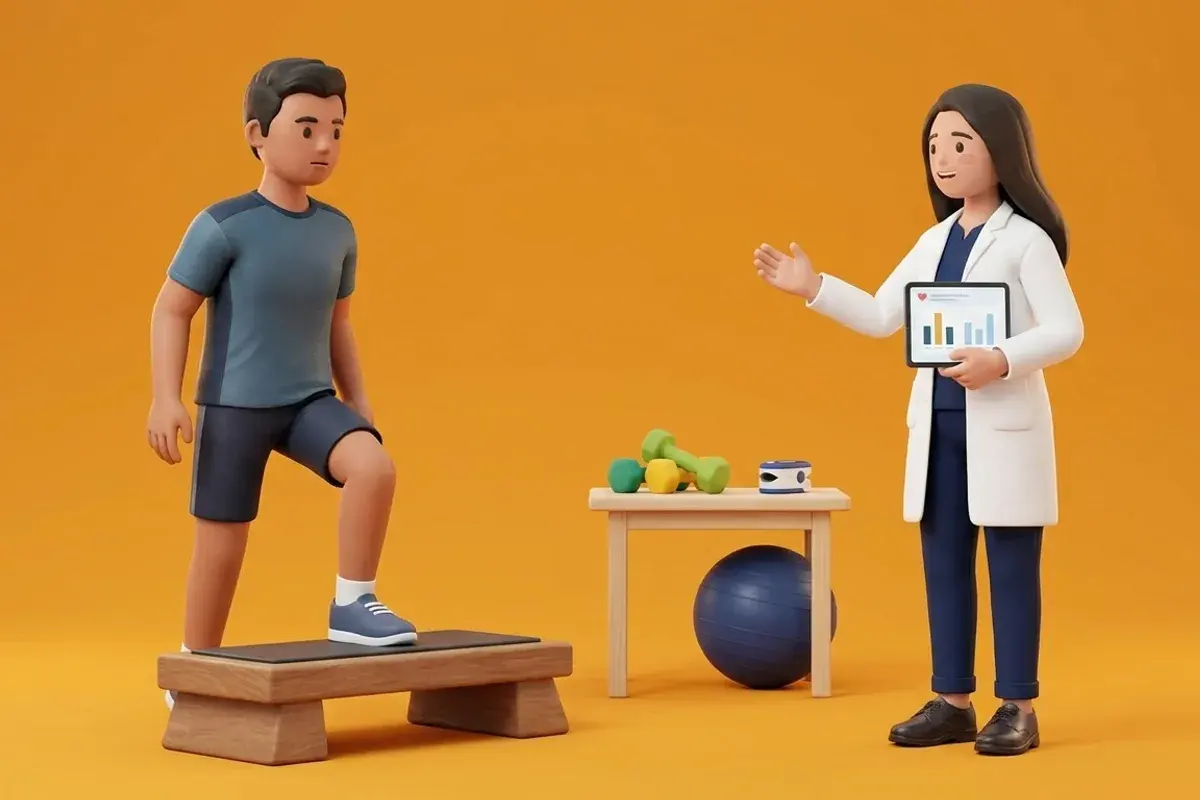
Family-centered care has emerged as a transformative dimension of modern critical care medicine. Rather than viewing family members as passive visitors restricted by rigid visiting hours, structured critical care programs actively integrate trained relatives into bedside rehabilitation. Family-assisted mobility and sensory reorientation protocols significantly reduce critical care delirium, lower patient anxiety, and empower family caregivers with practical skills.
Psychoneuroimmunology and Sensory Familiarity in Critical Illness
Critically ill patients endure an alien, frightening environment filled with continuous alarms, sterile equipment, invasive procedures, and sleep fragmentation, provoking massive surges of cortisol and catecholamines that fuel neuroinflammation and delirium. The presence, voice, and touch of a loved one stimulate oxytocin release, dampen sympathetic hyperarousal, and provide familiar cognitive grounding. Engaging family members in simple, protocolized physical activities bridges emotional connection with active physiological recovery.
| Rehabilitation Domain | Permitted Family Interventions | Supervision Level Required | Clinical Objective | |
|---|---|---|---|---|
| Sensory Reorientation | Verbal orientation (date, time, location), displaying family photos, reading letters | Independent after initial clinician orientation | Reduces delirium, calms agitation, grounds cognition | |
| Tactile & Sensory Touch | Gentle hand massage with familiar moisturizing lotion, brushing hair, holding hands | Independent during scheduled visiting hours | Dampens sympathetic tone, promotes calming parasympathetic response | |
| Passive Range of Motion | Gentle active-assisted finger curling, wrist extension, ankle pumping | Trained and initially supervised by physiotherapist | Maintains joint mobility, prevents contractures | |
| Supported Mobility | Assisting therapist during edge-of-bed sitting, cheering during walker steps | Direct hands-on supervision by clinical physiotherapy team | Builds caregiver confidence, boosts patient motivation |
Caregiver Training and Safety Verification Protocol
Before engaging in bedside rehabilitation, family members complete a structured orientation session conducted by the physiotherapist. Relatives are educated on hand hygiene, line awareness (warning them never to pull or reposition infusion tubes), and how to read the physiological monitor. Family members are instructed to halt activities and call nursing staff immediately if monitor numbers flash red or alarms sound.
Family-Guided Upper Extremity Assisted Reaching and Hand Squeezing
Objective: Stimulate cognitive orientation, facilitate emotional bonding, and promote active hand motor recruitment.
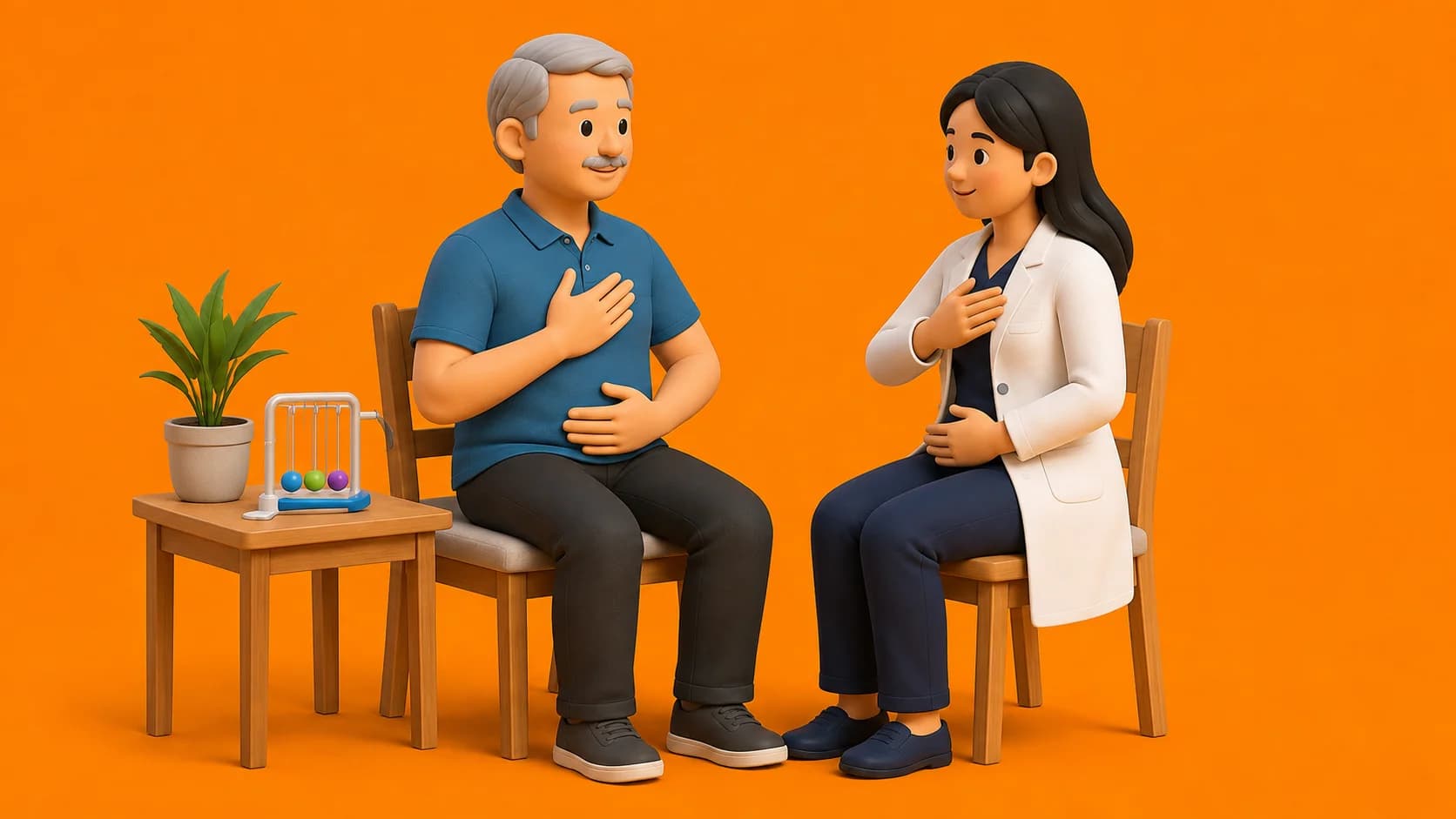
- 1Have the family member sit comfortably at the bedside at eye level with the patient.
- 2Instruct the family member to gently hold the patient's hand, speaking in a calm, soothing voice.
- 3Prompt the family member to encourage the patient to squeeze their fingers: 'Papaji, squeeze my hand.'
- 4Guide the family member to assist the patient in slowly raising the arm toward a familiar object, such as a family photograph.
- 5Lower the arm gently back to the resting pillow, offering verbal praise and reassurance.
Domestic Recovery in India and Multigenerational Support
In India's multi-generational family structure, involving relatives early in the ICU provides immense cultural and psychological comfort. Family members who participate in bedside care develop a deep understanding of the patient's physical limitations, overcoming feelings of helplessness. This early hands-on training ensures a smooth transition when the patient is discharged home, as caregivers have already mastered transfer safety and positioning techniques.
Long-Term Trajectory and Caregiver Preparedness
Patients whose families were actively involved in ICU rehabilitation display lower rates of post-traumatic stress disorder and depression at six-month follow-up. Furthermore, family caregivers exhibit significantly lower indices of anxiety and burnout, establishing a resilient home support system for sustained physical recovery.
Never allow family members to adjust bed heights, silence infusion pump alarms, or disconnect monitoring leads. Relatives must understand that their role is therapeutic facilitation, not medical management.
Can family members participate in passive exercises if the patient is deeply sedated?
Yes. In deeply sedated or comatose patients, family members can perform gentle hand massages, apply moisturizing cream, and guide passive finger and toe movements. These gentle tactile interactions maintain joint mobility and provide profound psychological comfort to relatives.
Do I need a doctor referral to consult a home physiotherapist in India?
Under the National Commission for Allied and Healthcare Professions (NCAHP) Act 2021, patients in India enjoy direct access to registered physiotherapists without requiring a mandatory doctor referral. At BookPhysio.in, you consult verified physiotherapists and pay directly per session without hidden fees or platform commissions.
Related condition guides


Related recovery guides & articles
BookPhysio.in Editorial Team
The BookPhysio.in editorial team writes and maintains this content, checking it against reliable clinical sources. Content follows our medical review policy: general information only, and no page claims a clinical review until a named registered physiotherapist has signed it off.
Read our medical review policy