
Festival Seating and Family Gatherings: Pacing Palliative Fatigue
In short
Festivals bring joy but can overwhelm frail elders. Learn how ergonomic recliner seating and social pacing protect energy during family celebrations.
In this guide (5 sections)
Major cultural and religious festivals, such as Diwali, Eid, Durga Puja, and family weddings, are central to social life in India. For an elder living with advanced cancer, participating in these celebrations offers profound emotional warmth, connection, and cherished memories. However, noisy environments, crowded rooms, and prolonged sitting can quickly precipitate overwhelming physical exhaustion and delirium. Palliative physiotherapy establishes structured fatigue-pacing protocols, ergonomic recliner configurations, and planned quiet-retreat schedules that allow elders to share joyous moments safely.
Domestic and Cultural Indian Realities
During Indian festivals, homes fill with visiting relatives, energetic children, and continuous cooking aromas. Elders often feel a strong duty to remain seated in the central living room for hours, welcoming every guest. Well-meaning relatives frequently engage in loud, overlapping conversations and urge the elder to eat rich sweets. When sensory overload and physical fatigue set in, the elder may become confused, tearful, or completely withdrawn. Palliative physiotherapists educate families on setting healthy social boundaries, appointing a family member to manage visitor timing, and organising short, structured visits.
Neuro-Metabolic Depletion in Social Environments
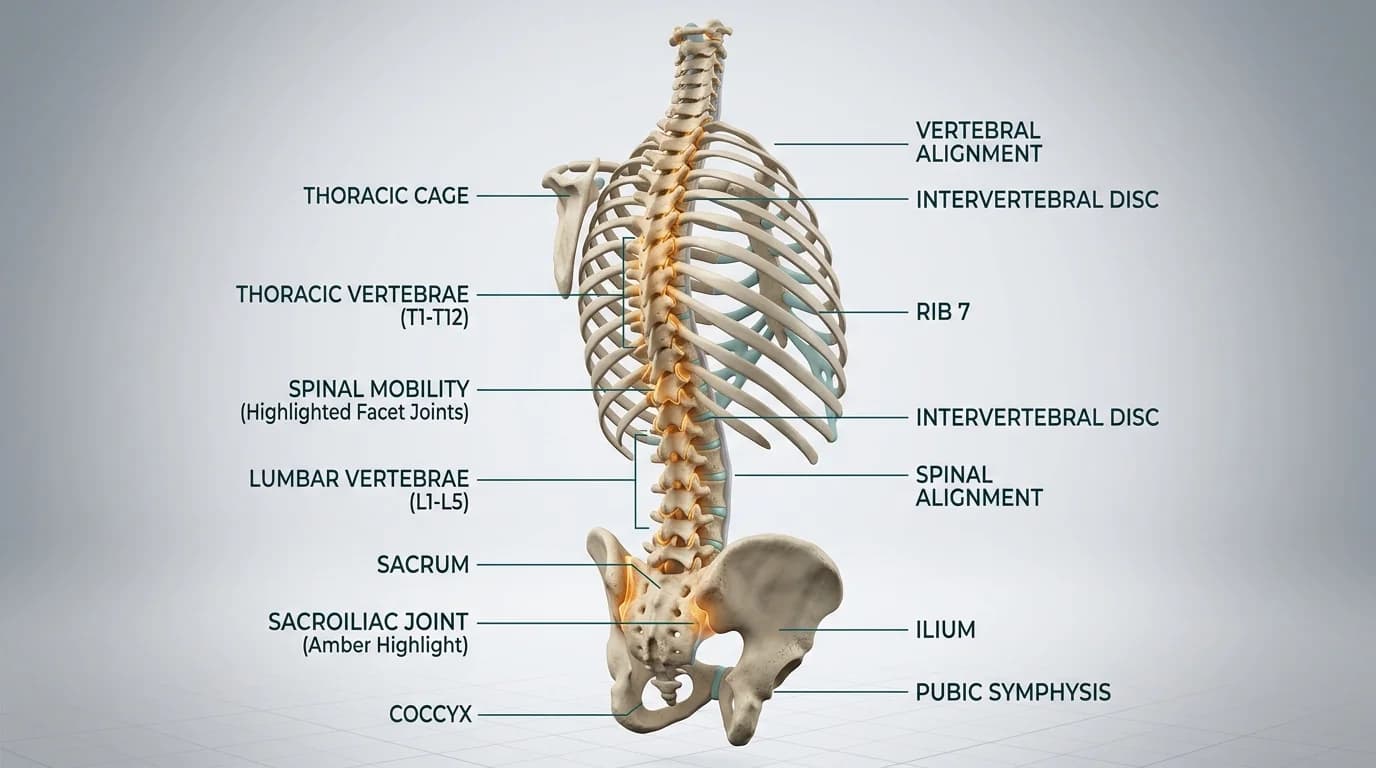
Social interaction in advanced illness requires immense cognitive processing, auditory filtering, and postural endurance. In patients with cancer cachexia and systemic inflammation, central neurotransmitter reserves deplete rapidly under sustained sensory stimulation. Continuous sitting in an unsupportive wooden chair induces painful thoracic spinal compression and activates stress-induced cortisol release. Ergonomic recliner seating unloads the spinal column, keeping metabolic expenditure at baseline resting levels.
Ergonomic Seating and Social Pacing Protocols
Rather than sitting on a sofa or dining chair, the elder is positioned in a high-back armchair or semi-recliner in the living room, elevated on cushions to facilitate eye-level conversation without neck strain. A soft blanket covers the legs for warmth, and water is kept within arm reach. Social presence is restricted to 20 to 30-minute intervals, followed by mandatory 45-minute rest periods in a quiet, darkened bedroom.
Seated Social Micro-Rest Breathing Routine
Objective: Lower sensory stimulation and calm the autonomic nervous system during family gatherings
- 1Rest comfortably in the living room recliner with your head supported and feet on a footstool.
- 2Gently close your eyes or lower your gaze away from bright room lights and busy movement.
- 3Place one warm palm softly over your upper abdomen, noticing your gentle breathing rhythm.
- 4Inhale quietly through your nose, exhaling slowly through soft pursed lips over 4 seconds.
- 5Allow yourself 2 minutes of silent, uninterrupted rest while family conversations continue softly.
| Gathering Aspect | Unmanaged Social Exposure | Paced Palliative Strategy |
|---|---|---|
| Seating Surface | Low soft sofa or rigid dining chair causing slouching | Supportive high-back recliner with footstool and neck cushion |
| Visit Duration | Continuous sitting for 2 to 3 hours without breaks | Structured 20-minute visits separated by bedroom rest |
| Sensory Load | Loud overlapping voices and loud music/television | Quiet living room corner; small groups of 2 to 3 relatives |
| Exit Strategy | Waiting until the elder shows severe distress or tears | Pre-planned quiet retreat to bedroom before fatigue sets in |
Oncological Red Flags and Specialist Escalation
If an elder suddenly displays acute disorientation, agitation, slurred speech, or profound lethargy during a gathering, escort them immediately to the bedroom. These symptoms may signal hyperactive delirium, acute dehydration, or metabolic decompensation requiring urgent clinical assessment by the palliative physician.
Frequently Asked Questions
How can families politely limit visiting times during festivals?
Designate one family member as the coordinator. Inform relatives in advance that the elder will join the celebration for 20 minutes before resting, framing this schedule as essential clinical guidance to protect their health.
Do I need a doctor referral to consult a home palliative physiotherapist?
Under the National Commission for Allied and Healthcare Professions (NCAHP) Act 2021, patients in India enjoy direct access to registered physiotherapists without requiring a mandatory doctor referral. At BookPhysio.in, you consult verified physiotherapists and pay directly per session without hidden fees or platform commissions.
Related condition guides


Related recovery guides & articles
BookPhysio.in Editorial Team
The BookPhysio.in editorial team writes and maintains this content, checking it against reliable clinical sources. Content follows our medical review policy: general information only, and no page claims a clinical review until a named registered physiotherapist has signed it off.
Read our medical review policy