
Glass Bangle Making: Heat Exposure and Sitting Crouch Posture
In short
Glass bangle artisans in Firozabad crouch near 1000-degree furnaces, manipulating molten glass on spinning mandrels. Learn targeted clinical rehabilitation.
In this guide (6 sections)
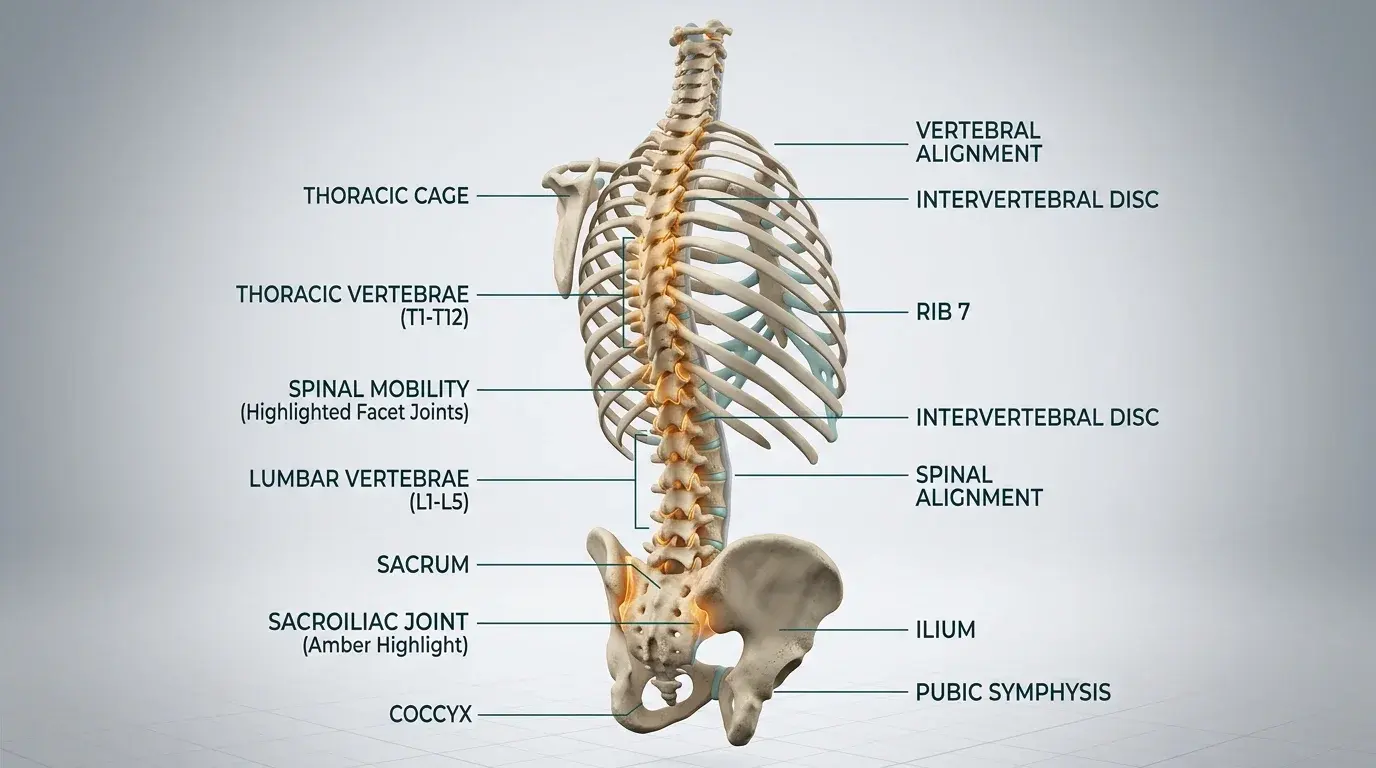
Firozabad in Uttar Pradesh serves as the global hub for glass bangles and glassware manufacturing. Artisans work in proximity to open coal and gas furnaces operating at temperatures exceeding 1,000 degrees Celsius. Workers crouch on low stools or squat on the floor, using long, heavy iron rods (blowpipes and mandrels) to gather, shape, and spin molten glass into coils. This craft combines sustained crouched postures, intense radiant heat exposure, and repetitive upper limb rotational movements, causing thoracic kyphosis, rotator cuff tendinopathy, and severe knee joint degeneration.
Domestic and Cultural Indian Realities
Glass karkhanas operate with circular multi-pot furnaces where teams of artisans sit arranged around furnace openings. To shield their faces from radiant heat, craftsmen lean forward with their heads tucked, adopting a protective hunched crouch. Spinning molten glass requires continuous, rapid rolling of the iron mandrel between the palms while supporting its weight with the forearms. Shifts last 8 to 10 hours in intense workshop heat, leading to chronic dehydration, muscle cramping, and persistent spinal stiffness.
Clinical Biomechanics and Occupational Overuse
Crouching on low stools with knees flexed past 120 degrees places high compressive stress on the posterior meniscal horns and retropatellar cartilage. The sustained forward hunch stretches the thoracic erector spinae and posterior spinal ligaments, promoting structural wedge compression and hyperkyphosis. Concurrently, manipulating heavy iron rods with extended arms creates a long lever arm, generating continuous isometric strain on the supraspinatus and biceps tendons.
Workplace Ergonomic Assessment and Postural Metrics
Clinical examination includes measuring thoracic kyphosis angle using a flexicurve ruler, assessing cervical range of motion, and testing for shoulder impingement using the Neer and Hawkins-Kennedy signs. Clinicians evaluate knee joint line tenderness and patellar crepitus. Palpation reveals severe myofascial trigger points in the upper trapezius, rhomboids, and quadriceps.
Targeted Workplace Conditioning and Stretching Protocols
Ergonomic interventions introduce reflective heat shields with optical viewing windows that protect artisans from radiant heat, eliminating the need to adopt an extreme protective hunch. Providing adjustable counter-weighted rod rests supports tool weight during glass spinning. Rehabilitation focuses on thoracic extension mobilization, rotator cuff strengthening, and hydration management.
Seated Thoracic Extension and Scapular Pinch
Objective: Reverse furnace-related thoracic kyphosis and restore spinal mobility
- 1Sit upright on a stool away from the furnace heat with feet placed flat on the floor.
- 2Interlace your fingers behind your neck, supporting the base of your skull with your thumbs.
- 3Inhale and gently draw your elbows backward while lifting your chest upward toward the ceiling.
- 4Hold the open extension stretch for 5 seconds while breathing smoothly.
- 5Exhale and return smoothly to neutral alignment without slumping forward.
| Hazard Element | Clinical Pathological Consequence | Physiotherapy Remediation |
|---|---|---|
| Furnace Radiant Heat | Protective forward hunch, thoracic kyphosis, and dehydration cramps | Install heat-reflective glass barriers and enforce scheduled electrolyte hydration |
| Heavy Mandrel Support | Rotator cuff impingement and bicipital tenosynovitis | Provide adjustable counter-weighted rod supports at furnace openings |
| Low Floor Crouch | Patellofemoral cartilage wear and knee meniscal tears | Raise seating plinths to 45 cm with stable backrest support |
| Rapid Rod Rolling | Palmar blisters and flexor digitorum tenosynovitis | Apply textured heat-resistant silicone grips over tool shafts |
Red Flags and Specialist Escalation
True mechanical locking of the knee joint where it cannot be straightened, significant knee effusion with warmth, or inability to bear weight indicates an acute meniscal tear requiring prompt orthopaedic surgical evaluation. Severe exertional dizziness, confusion, or lack of sweating in hot furnace sheds signals life-threatening heat stroke requiring emergency hospitalization.
Frequently Asked Questions
Can physiotherapy help glass artisans relieve chronic back hunching and knee pain?
Physiotherapy aims to relieve repetitive strain and restore functional capacity through thoracic extension exercises, knee joint unloading protocols, and tool support modifications. Supporting iron tool weight eliminates excessive shoulder and spinal fatigue.
Do I need a doctor referral to see a physiotherapist for joint pain in India?
Under the National Commission for Allied and Healthcare Professions (NCAHP) Act 2021, patients in India enjoy direct access to registered physiotherapists without requiring a mandatory prior medical referral. At BookPhysio.in, you consult verified physiotherapists and pay directly per session without hidden fees or platform commissions.
Related condition guides



Related recovery guides & articles
BookPhysio.in Editorial Team
The BookPhysio.in editorial team writes and maintains this content, checking it against reliable clinical sources. Content follows our medical review policy: general information only, and no page claims a clinical review until a named registered physiotherapist has signed it off.
Read our medical review policy