
Lifting Heavy Water Buckets and Domestic Cylinders with Spondylolisthesis
In short
Lifting heavy domestic objects poses severe shear risks in spondylolisthesis. Discover spine-sparing lifting mechanics, tripod lifts, and safe home adaptations.
In this guide (4 sections)
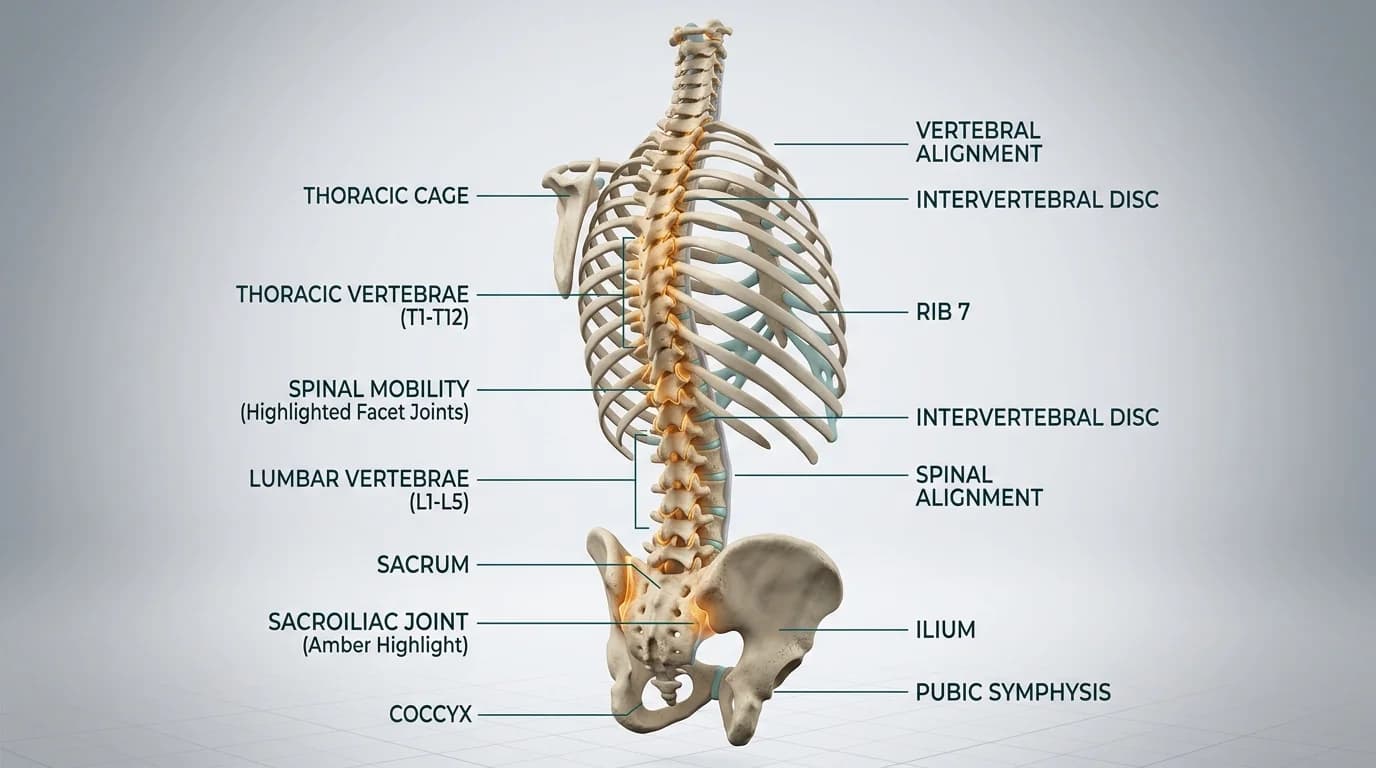
Domestic heavy lifting represents one of the most hazardous daily activities for individuals living with lumbar spondylolysis and spondylolisthesis. Across millions of Indian households, tasks such as hoisting thirty-kilogram LPG cooking gas cylinders, carrying filled twenty-liter water buckets from taps, and moving heavy metal storage boxes are inescapable daily chores. When executed with incorrect biomechanics, particularly bending forward from the waist with straight knees and twisting while lifting, these activities generate colossal compressive forces exceeding 4,000 Newtons and massive anterior shear loads directly across the lumbosacral junction. Mastering spine-sparing ergonomic lifting techniques, such as the hip hinge, golfer lift, and tripod transfer, is vital to prevent acute slip progression and disabling mechanical back pain.
Indian Household Realities, Water Shortages, and Domestic Gas Delivery
In residential neighborhoods across India, municipal water schedules frequently require residents to fill and transport heavy buckets of water across wet, slippery bathroom tiles every morning. In apartment buildings lacking elevators or during domestic gas cylinder replacements, homemakers and elders must drag or lift heavy pressurized iron cylinders over high door thresholds and up stairwells. Compounding these demands, traditional Indian floor-level culinary tasks, such as handling heavy stone grinders (sil-batta) and lifting large pressure cookers from ground level, require awkward bending. When individuals lift these heavy loads without abdominal bracing, the lumbar spine buckles into flexion-rotation, focusing immense destructive shear onto the unstable L5-S1 motion segment.
Moment Arms, Intradiscal Pressure Surges, and Shear Escalation
The physics of domestic lifting demonstrates how simple biomechanical errors amplify spinal strain. The horizontal distance between the object being lifted and the lumbosacral pivot point represents the external load moment arm. Holding a twenty-kilogram water bucket just thirty centimeters away from the body creates an external flexion moment that the paraspinal muscles must counter by exerting over two hundred kilograms of internal tension. In a healthy spine, this force is distributed across intact facet joints and resilient discs. In spondylolisthesis, where the bony pars is fractured or facet joints are arthritic, this massive muscle contraction acts across an unstable lever arm, driving the superior vertebra forward into the spinal canal and pinching traversing nerve roots.
Hip Hinge Mastery, Tripod Lifting Strategy, and Load Division
Physiotherapy rehabilitation transforms dangerous lifting patterns into protective, hip-powered movement habits. The primary clinical objective is teaching the pure hip hinge, where forward bending occurs exclusively through the ball-and-socket hip joints while the lumbar spine remains locked in a rigid neutral alignment. Clinicians introduce the tripod lift for floor-to-knee transfers, allowing the patient to rest one knee on the floor or a stool, bringing the load tightly against the pelvis before driving upward using the powerful quadriceps and gluteals. Patients are taught to divide heavy domestic loads into smaller, manageable portions, using wheeled cylinder trolleys and hose pipes to eliminate ground-level hoists entirely.
Hip Hinge Wall-Tap Drill with Abdominal Bracing
Objective: Retrain pure hip flexion mechanics to eliminate hazardous lumbar spine bending during domestic lifting
- 1Stand tall with your back facing a smooth wall, positioned approximately one foot forward from the baseboard.
- 2Place your feet shoulder-width apart, keeping your toes pointing straight ahead and knees slightly unlocked.
- 3Place your hands on your hips and engage your abdominal wall with a gentle thirty percent co-contraction.
- 4Keeping your spine completely flat and neutral, push your hips straight backward until your buttocks gently touch the wall.
- 5Squeeze your gluteal muscles firmly and drive your hips forward to return upright, keeping your back still throughout.
| Domestic Task | Biomechanical Risk Factor | Correct Spine-Sparing Modification |
|---|---|---|
| Moving LPG Gas Cylinder | Ground-level lift (30 kg load) combined with trunk twisting and forward bending | Never hoist manually; use a 4-wheeled castor cylinder trolley; roll with light foot guidance |
| Carrying 20L Water Bucket | Asymmetric single-sided carrying creating severe lateral flexion and shear stress | Divide into two 10-liter buckets carried symmetrically in both hands; use flexible water hoses |
| Lifting Wet Laundry Basin | Stooping over low floor washing areas and lifting waterlogged cotton fabrics | Elevate laundry tub onto a waist-height stool; use the golfer lift to extract garments one by one |
| Shifting Iron Storage Almirah | Extreme horizontal pushing force with lumbar spine locked in hyperextension | Unload all internal contents first; use furniture sliders; recruit multi-person assistance |
If a patient experiences an audible snap, popping sensation, or a sudden feeling that their lower back has physically shifted forward while lifting a heavy domestic load, followed immediately by severe spasm or numbness spreading into the thighs, all physical activity must halt instantly. This presentation signals acute macro-instability or structural slip progression, requiring immediate recumbent positioning and emergency medical assessment.
Frequently Asked Questions
How can I safely lift a heavy bucket of water from the bathroom floor without hurting my back?
To lift a bucket safely, never bend forward from your waist with straight legs. Instead, stand directly over the bucket with your feet wide on either side. Bend your knees and push your hips backward into a deep squat, keeping your chest up and your lower back completely straight. Grasp the bucket handle with both hands, pull the bucket close against your shins, and brace your abdominal muscles firmly. Drive straight upward through your heels, using your powerful thigh and buttock muscles to lift the load rather than your lower back.
Do I need a doctor referral to consult a spondylolisthesis physiotherapist on BookPhysio.in?
BookPhysio.in does not require a doctor referral. Under the National Commission for Allied and Healthcare Professions (NCAHP) Act 2021, patients across India enjoy direct access to autonomous registered physiotherapists. Through BookPhysio.in, you connect directly with verified clinicians and pay per session with transparent fees, completely free from advance package commitments, commission markups, or platform subscription charges.
Related condition guides



Related recovery guides & articles
BookPhysio.in Editorial Team
The BookPhysio.in editorial team writes and maintains this content, checking it against reliable clinical sources. Content follows our medical review policy: general information only, and no page claims a clinical review until a named registered physiotherapist has signed it off.
Read our medical review policy