
The Otago Exercise Programme: Proven 35% Fall Reduction for Elderly Adults
In short
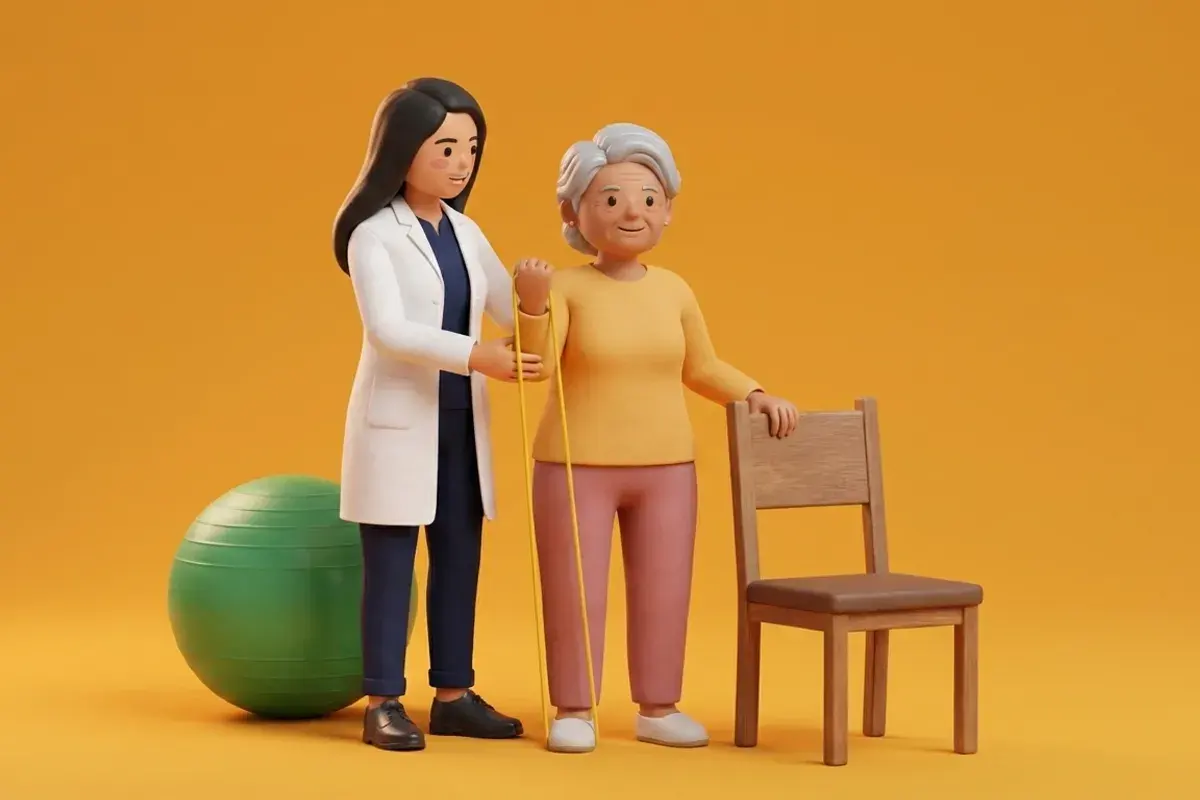
Falls are the leading cause of accidental injury and hospitalisation among Indian seniors. The Otago Exercise Programme (OHEP) is a globally validated home-based regimen proven in randomized trials to reduce falls by 35 percent. Learn the essential strengthening and balance exercises.
In this guide (5 sections)
Why the Otago Exercise Programme is the Global Gold Standard
Developed by researchers at the University of Otago Medical School in New Zealand and validated across dozens of international clinical trials, the Otago Exercise Programme (OHEP) is specifically designed for older adults living at home.
Unlike generic fitness routines, Otago targets the exact neuromuscular weaknesses that lead to falls: declining quadriceps power, hip abductor weakness, sluggish ankle reaction times, and poor sensory balance integration. When practiced consistently, it reduces falls and fall-related injuries by 35 to 40 percent.
The 5 Essential Lower Body Strengthening Exercises
These exercises use adjustable ankle cuff weights (starting from 0.5 kg to 2 kg) to progressively rebuild foundational leg strength.
| Exercise Name | Target Muscle Group | Functional Daily Purpose | Prescription Target | |
|---|---|---|---|---|
| Seated Knee Extension | Quadriceps femoris | Provides power to rise from chairs and prevents knees buckling | 10 repetitions per leg with ankle weight; hold 3s | |
| Standing Knee Flexion | Hamstring group | Ensures clear foot lift over door thresholds and rugs | 10 repetitions per leg holding sturdy chair; hold 3s | |
| Side Hip Abduction | Gluteus medius | Prevents lateral pelvic drop and sideways stumble during walking | 10 repetitions per leg with straight knee; hold 3s | |
| Calf Raises (Toe Stands) | Gastrocnemius and soleus | Generates forward propulsion and ankle push-off power | 10 to 15 repetitions rising high onto balls of feet | |
| Toe Raises (Heel Stands) | Tibialis anterior | Prevents foot dragging and tripping over uneven pavement | 10 to 15 repetitions rocking back onto heels |
The Dynamic Balance Retraining Progression
Otago incorporates 12 progressive balance exercises that gradually reduce the base of support and hand reliance.
- Tandem Stance (Heel-to-Toe Standing): Stand with one foot placed directly in front of the other so the heel of the front foot touches the toes of the back foot. Hold for 10 seconds, then switch feet. Progress from two-hand support to fingertips, and finally hands across chest.
- Tandem Walking (Tightrope Walk): Walk 10 steps along a straight line placing one foot directly in front of the other. Keep eyes looking straight ahead rather than at the floor.
- Backward Walking: Walk 10 steps backward holding a sturdy hallway railing or kitchen counter. This retrains hip extension and activates vestibular balance pathways.
- Single-Leg Standing: Stand on one leg beside a sturdy table for 10 to 30 seconds. This is the single strongest clinical predictor of gait stability.
Weekly Schedule and Walking Prescription
Otago is designed for long-term habit formation: perform the strengthening and balance routine 3 times per week on non-consecutive days (for example, Monday, Wednesday, Friday), taking approximately 30 minutes per session.
In addition, seniors are encouraged to take a 30-minute outdoor walk at least twice weekly, broken into two 15-minute walks if needed, to build cardiovascular stamina.
Frequently Asked Questions
Can an older adult start Otago if they already use a walking stick?
Yes. Otago is easily tailored for seniors using walking canes or walkers. A visiting physiotherapist calibrates the exercises to ensure safety with sturdy support.
How heavy should the ankle cuff weights be?
Begin with 0.5 kg or 1 kg weights. When a senior can perform 2 sets of 10 repetitions without fatigue, the weight is incrementally increased by 0.5 kg increments.
How quickly does fall risk decrease after starting Otago?
Clinical trials demonstrate measurable improvements in balance confidence and gait speed within 6 to 8 weeks, with peak fall reduction benefits established by 3 to 6 months.
Related condition guides


Related recovery guides & articles
BookPhysio.in Editorial Team
The BookPhysio.in editorial team writes and maintains this content, checking it against reliable clinical sources. Content follows our medical review policy: general information only, and no page claims a clinical review until a named registered physiotherapist has signed it off.
Read our medical review policy