
Pelvic Radiation Recovery: Cervical and Uterine Cancer Fibrosis Prevention in India
In short
Radiation therapy for cervical or uterine cancer saves lives but can cause progressive pelvic fibrosis and vaginal stenosis. Learn how specialized physiotherapy protects tissue elasticity.
In this guide (6 sections)
Cervical cancer and uterine (endometrial) cancer are among the most frequently diagnosed gynaecological malignancies among women in India. Radiation therapy, combining external beam radiation therapy (EBRT) and internal brachytherapy, is a lifesaving curative modality. However, pelvic radiation induces long-term, progressive changes in healthy bystander tissues. Radiation-induced fibrosis, microvascular endarteritis, vaginal shortening and stenosis (narrowing), radiation cystitis, and radiation proctitis can develop months or years after completing treatment. Women frequently find that subsequent gynaecological exams or intimacy become impossible. Dedicated oncological pelvic floor physiotherapy and early dilator therapy preserve tissue compliance and quality of life.
1. Functional Biomechanics: Radiation Fibrosis Syndrome and Microvascular Endarteritis
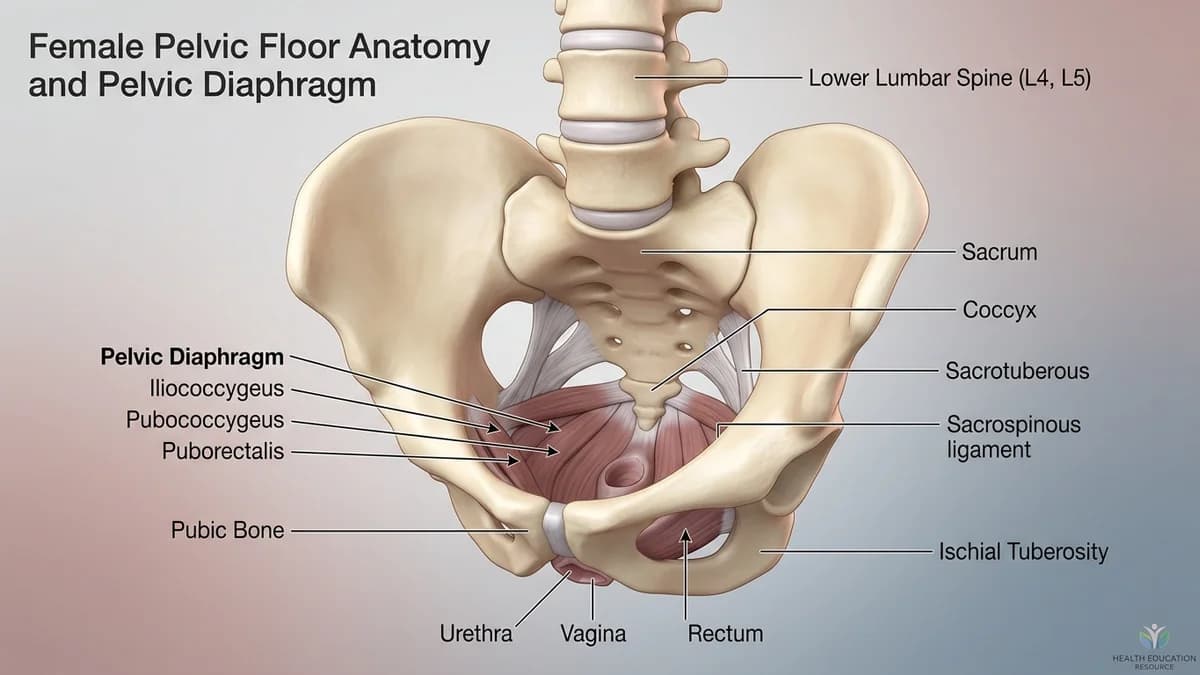
Ionizing radiation destroys cancer cells but simultaneously damages vascular endothelial cells in surrounding pelvic tissues, triggering obliterative endarteritis. Over months and years, chronic tissue ischemia stimulates persistent myofibroblastic activation and excessive deposition of dense, non-compliant type I collagen. In the vagina, this causes vaginal stenosis, mucosal agglutination (walls sticking together), and loss of natural elasticity. In the pelvic floor, radiation fibrosis transforms dynamic striated levator ani muscles into rigid, fibrotic sheets, impairing bladder and bowel sphincter control and producing chronic pelvic aching.
2. Domestic Indian Context: Daily Chores, Ergonomics, and Privacy
Cancer survivors in India frequently prioritize survival over pelvic wellness, and oncologists often lack time during busy hospital clinics to discuss sexual function or vaginal dilators. Many women are handed a plastic dilator with minimal instruction, finding it painful or emotionally distressing to use. In multi-generational joint households, finding private time and a comfortable space for intimate dilator therapy is challenging. Physiotherapists provide compassionate, step-by-step guidance, educating survivors and their families that maintaining vaginal patency is essential not only for intimate health, but also to allow ongoing gynaecological oncological surveillance for cancer recurrence.
3. Clinical Special Tests and Physical Examination
Assessment begins 4 to 6 weeks after radiation completion (once acute epithelial desquamation heals). Evaluation measures functional vaginal length in centimetres, assesses introitus circumference, checks for telangiectasia (fragile blood vessels) and mucosal dryness, and evaluates levator ani muscle compliance.
| Post-Radiation Phase | Tissue Pathophysiology | Clinical Presentation | Physiotherapy Rehabilitation Focus |
|---|---|---|---|
| Weeks 0 to 6 | Acute radiation desquamation, inflammation | Erythema, burning, moist desquamation | Rest, gentle moisturisation, no rigid dilation |
| Weeks 6 to 12 | Early collagen cross-linking begins | Early tissue shortening, dry mucosa | Initiate gentle graduated dilator therapy (3x/wk) |
| Months 3 to 12 | Active progressive radiation fibrosis | Vaginal narrowing, pelvic floor stiffness | Maintain dilation, gentle pelvic floor mobilization |
| Beyond 12 Months | Consolidated mature fibrotic tissue | Risk of permanent stenosis if untreated | Long-term maintenance dilation (1-2x/week) |
4. Stage-by-Stage Functional Physiotherapy Protocol
Rehabilitation centres on progressive graduated vaginal dilation, gentle tissue moisturisation, and lymphatic pelvic decongestion.
Phase 1: Graduated Medical Dilator Therapy Protocol
Objective: Prevent vaginal wall agglutination and preserve functional depth and width for medical exams.
- 1Select the smallest medical-grade silicone dilator that enters comfortably without pain.
- 2Apply a generous amount of sterile water-based lubricant or pure hyaluronic acid gel to the dilator and introitus.
- 3Lie comfortably with knees bent in a private bedroom, taking 3 deep diaphragmatic breaths.
- 4Gently guide the dilator inward toward your lower back until gentle resistance is met.
- 5Hold the dilator in place comfortably for 5 to 10 minutes while breathing calmly, then gently rotate and remove.
Phase 2: Pelvic Floor Blood Flow Mobilisation Pumping
Objective: Counteract obliterative endarteritis by stimulating microvascular blood flow to radiated pelvic tissues.
- 1Sit comfortably on a firm chair with feet flat on the floor.
- 2Apply a gentle 20 to 30 percent squeeze and lift of your pelvic floor on an exhale.
- 3Hold for only 2 seconds, then release completely for 4 seconds.
- 4Repeat 15 times, focusing on the feeling of warmth and circulation returning to the pelvis.
- 5Keep your abdominal muscles, buttocks, and thighs completely relaxed.
Phase 3: Lower Limb and Pelvic Lymphatic Drainage Clearance
Objective: Support lymphatic return and prevent secondary lower limb lymphedema following pelvic lymphadenectomy or radiation.
- 1Lie on your back with your legs elevated on two pillows.
- 2Perform 20 slow, deliberate ankle pumps (pointing and flexing feet).
- 3Gently slide one heel up toward your buttock, bending the knee, then slide it back straight.
- 4Alternate legs smoothly to activate the calf and thigh muscle pumps.
- 5This helps clear sluggish pelvic lymphatic fluid.
Seek immediate evaluation from your radiation oncologist if you notice: heavy fresh vaginal bleeding, passing blood or stool from the vagina (suggesting a radiation-induced fistula), severe persistent diarrhea with blood and mucus (radiation proctitis), severe pain with fever, or sudden unilateral swelling of the entire lower limb (acute lymphedema or deep vein thrombosis).
5. Clinic Consultation, Home Visits, and Transparent Fee Benchmarks
Under the National Commission for Allied and Healthcare Professions (NCAHP) Act 2021, patients in India can consult a registered pelvic health physiotherapist directly without an upfront referral, though BookPhysio.in does not ask for one. Oncology pelvic health physiotherapists provide compassionate, sensitive care in private clinical rooms. Clinic consultations in Indian cities range between ₹500 and ₹1,500, with home visits ranging from ₹700 to ₹2,000 where available. Patients pay their physiotherapist directly at each consultation, with zero platform commission.
6. Frequently Asked Questions
Why is vaginal dilator therapy necessary if I am not sexually active in India?
Dilator therapy is critical for every cancer survivor regardless of sexual activity. Following pelvic radiation, the vaginal walls naturally stick together and form dense scar tissue. Dilators preserve vaginal depth and width so your radiation oncologist and gynaecologist can comfortably perform visual and manual examinations to monitor for cancer recurrence.
Can radiation-induced vaginal stenosis be reversed years later?
Prevention is far more effective than treatment because mature radiation fibrosis is extremely dense. However, even if stenosis has developed over several years, gentle, progressive physiotherapy and specialized dilator therapy over 6 to 12 months can restore meaningful tissue compliance and comfort.
Related condition guides


Related recovery guides & articles
BookPhysio.in Editorial Team
The BookPhysio.in editorial team writes and maintains this content, checking it against reliable clinical sources. Content follows our medical review policy: general information only, and no page claims a clinical review until a named registered physiotherapist has signed it off.
Read our medical review policy