
Retail Shopkeeper Standing All Day: Managing Plantar Fasciopathy Behind the Commercial Counter
In short
Discover how retail shopkeepers can manage severe heel pain from standing all day behind commercial counters through ergonomics, pacing, and physiotherapy.
In this guide (4 sections)
Across the bustling commercial markets of India, from textile bazaars in Surat and Chandni Chowk to neighborhood kirana stores in Mumbai and Bengaluru, retail shopkeepers endure extraordinary occupational demands. A typical workday requires standing behind retail counters for ten to fourteen continuous hours, greeting customers, retrieving merchandise from overhead shelves, and managing cash registers. Unlike dynamic occupations that involve active walking, retail shopkeeping is characterized by static upright standing confined to narrow aisles behind display counters. Prolonged static standing generates continuous, unmitigated compressive forces beneath the calcaneus while simultaneously depriving the lower limbs of the rhythmic muscular contractions needed to assist venous blood return. As dependent pedal edema accumulates, tissue hydrostatic pressure rises, compromising microvascular blood flow to the calcaneal enthesis of the plantar fascia and precipitating severe, chronic plantar fasciopathy.
Barefoot Marble Floor Living, Prolonged Kitchen Standing, and Thin Flat Slippers
In Indian commercial culture, store interiors are frequently tiled with polished vitrified tiles, marble slabs, or hard concrete flooring that provides zero impact absorption. Furthermore, many shop owners adhere to traditional customs of removing outdoor shoes inside the shop or wearing flat, open rubber slippers to remain comfortable in hot weather. Standing barefoot or in paper-thin flat chappals on unforgiving shop tiles for twelve hours subjects the medial longitudinal arch to sustained elongation strain. After locking up their shops at night, these individuals travel home and walk barefoot across domestic marble floors, delivering further trauma to an already exhausted plantar fascia. By morning, taking the first steps out of bed to open the store triggers excruciating heel pain, leaving shopkeepers limping throughout their morning opening routines.
Windlass Mechanism Strain, Calcaneal Enthesopathy, and Plantar Thickness
The pathobiological mechanism in retail workers involves chronic microvascular ischemia and extracellular matrix breakdown under static gravitational load. Continuous standing forces the calcaneal fat pad to remain compressed against the rigid floor, reducing localized capillary blood flow to the fibrocartilaginous enthesis. Lacking adequate oxygenation and nutrient transport, resident fibroblasts cannot synthesize organized type I collagen to repair routine microscopic tears. Over months of unremitting standing, the fascial matrix undergoes degenerative mucinous change, proteoglycan accumulation, and hypervascular neurogenesis, leading to sonographic fascial thickening that commonly exceeds 5.5 to 7.0 millimeters. When the shopkeeper attempts to step off a stool or lift heavy inventory boxes, sudden tensile strain acts on the thickened, brittle enthesis, provoking acute micro-fissuring and intense nociceptive pain.
Rathleff High-Load Towel Training, Low-Dye Taping, and Intrinsic Foot Doming
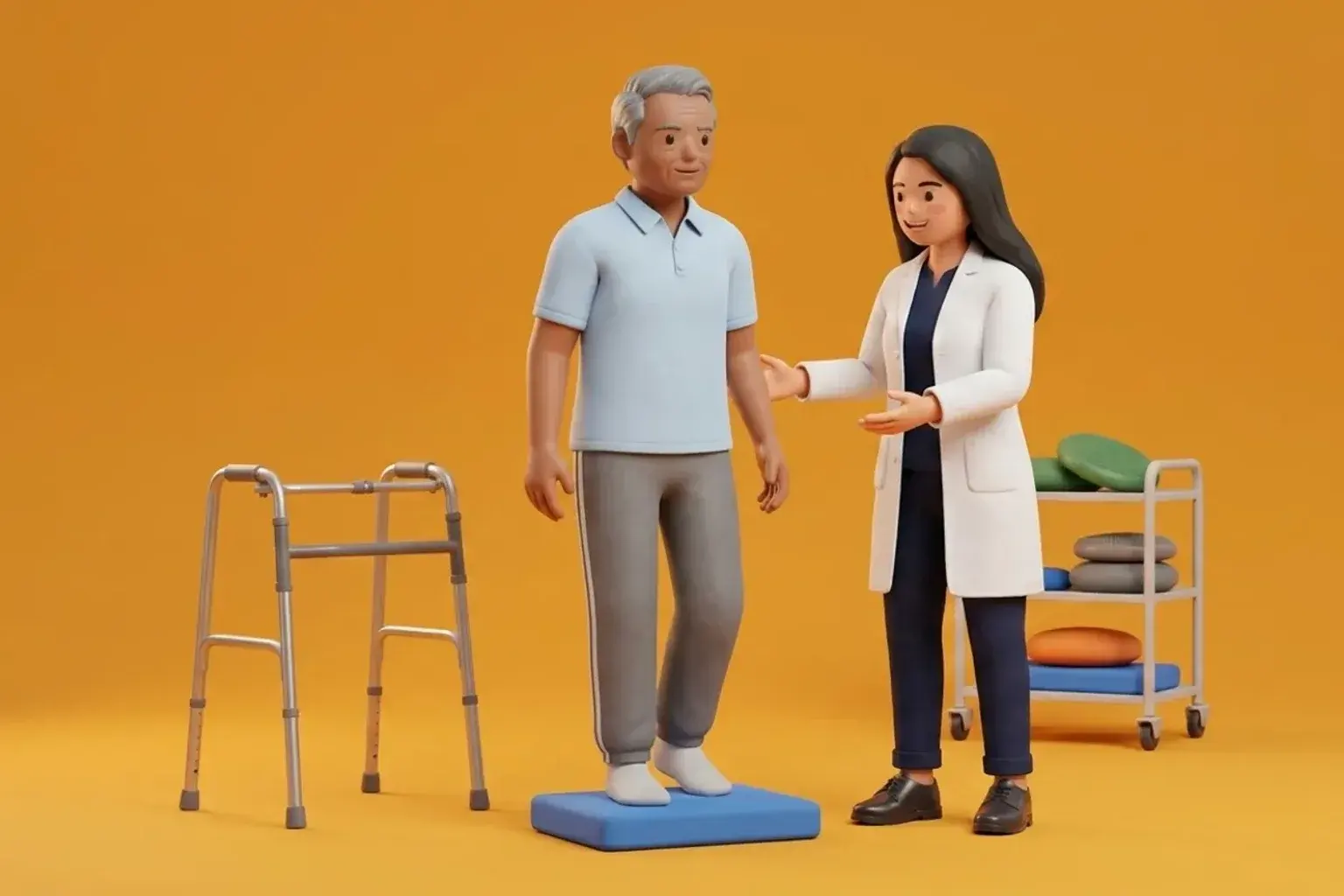
Rehabilitation for retail shopkeepers requires a practical blend of workplace ergonomic adjustments and active tissue conditioning. Clinicians mandate installing a high-density polyurethane anti-fatigue rubber mat (at least eighteen millimeters thick) directly behind the primary sales counter. Shopkeepers are instructed to keep a low wooden stool (patla) behind the counter, allowing them to alternate resting one foot in slight elevation to relieve static arch tension and alter lumbopelvic posture. Footwear must be upgraded to supportive walking shoes or clogs featuring contoured medial arch support and a cushioned fifteen-millimeter heel stack. Active physiotherapy focuses on the Rathleff high-load strength protocol, using progressive heel raises with a rolled towel under the toes on alternate days, complemented by seated intrinsic foot doming exercises and regular calf stretching during quiet store hours.
Counter-Side Calf Pumping and Plantar Intrinsic Doming Sequence
Objective: Activate the calf muscle pump and recruit intrinsic foot core stabilizers during commercial shop standing breaks
- 1Stand behind your retail counter with your hands resting lightly on the counter surface for balance.
- 2Smoothly rise up onto the balls of both feet over a count of 2 seconds, lifting your heels as high as possible into full plantarflexion.
- 3Pause at the top for 1 full second, feeling your calf muscles contract to pump pooled venous blood upward.
- 4Lower your heels slowly back to the mat over a controlled count of 2 seconds, repeating for 10 fluid cycles.
- 5Immediately follow by keeping your feet flat and contracting your arch muscles to dome your arches upward without curling your toes, holding for 5 seconds.
| Ergonomic Domain | Conventional Unfavorable Setup | Ergonomically Optimized Counter Setup | Clinical Benefit for Plantar Fascia |
|---|---|---|---|
| Standing Surface Behind Counter | Bare vitrified ceramic tiles, polished marble, or unbuffered concrete | 18 to 22 mm commercial-grade polyurethane anti-fatigue standing mat | Reduces vertical ground impact stress and stimulates subtle calf muscle pumping |
| Footwear Behind Counter | Barefoot, flat rubber slippers, or worn-out canvas shoes with zero arch support | Supportive walking shoes or clogs with contoured arch and 12 mm heel-to-toe drop | Prevents medial longitudinal arch collapse and reduces fascial elongation strain |
| Shift Posture Management | Continuous static standing in one spot for 3 to 4 hours without movement breaks | Use of a low wooden footstool to alternate resting one foot in elevation every 15 mins | Shifts pelvic tilt, unloads the resting foot arch, and relieves lumbar spine tension |
If prolonged standing at your shop counter produces severe, deep bone aching in your heel that worsens steadily and prevents you from bearing weight, suspect a calcaneal stress fracture. Furthermore, if you experience burning, tingling, or electric sensations that radiate into the arch or smaller toes, evaluate for Baxter nerve entrapment or tarsal tunnel syndrome. In either scenario, obtain prompt orthopaedic consultation and diagnostic imaging.
Frequently Asked Questions
Can I wear anti-fatigue slippers behind my shop counter instead of shoes?
Yes, provided the slippers are true orthopaedic recovery sandals or clogs that feature a structured, contoured medial arch support, a deep heel cup, and a thick, cushioned sole. Avoid flimsy, flat rubber flip-flops or open slippers that have zero arch shape, as they allow your foot arch to flatten completely and worsen your heel pain. Keeping a dedicated pair of supportive recovery clogs exclusively behind your counter keeps your workspace clean while protecting your heels.
Do I need a doctor referral to treat plantar fasciitis on BookPhysio.in?
BookPhysio.in does not require a doctor referral. Under the National Commission for Allied and Healthcare Professions (NCAHP) Act 2021, patients across India enjoy direct access to autonomous registered physiotherapists. Through BookPhysio.in, you connect directly with verified clinicians and pay per session with transparent fees, completely free from advance package commitments, commission markups, or platform subscription charges.
Related condition guides



Related recovery guides & articles
BookPhysio.in Editorial Team
The BookPhysio.in editorial team writes and maintains this content, checking it against reliable clinical sources. Content follows our medical review policy: general information only, and no page claims a clinical review until a named registered physiotherapist has signed it off.
Read our medical review policy