
Shuttle Throwing: Rotator Cuff and Elbow Tendonitis
In short
Repetitive fly-shuttle propulsion in textile weaving places heavy eccentric demands on shoulder and elbow tendons. Discover targeted physiotherapy solutions.
In this guide (6 sections)
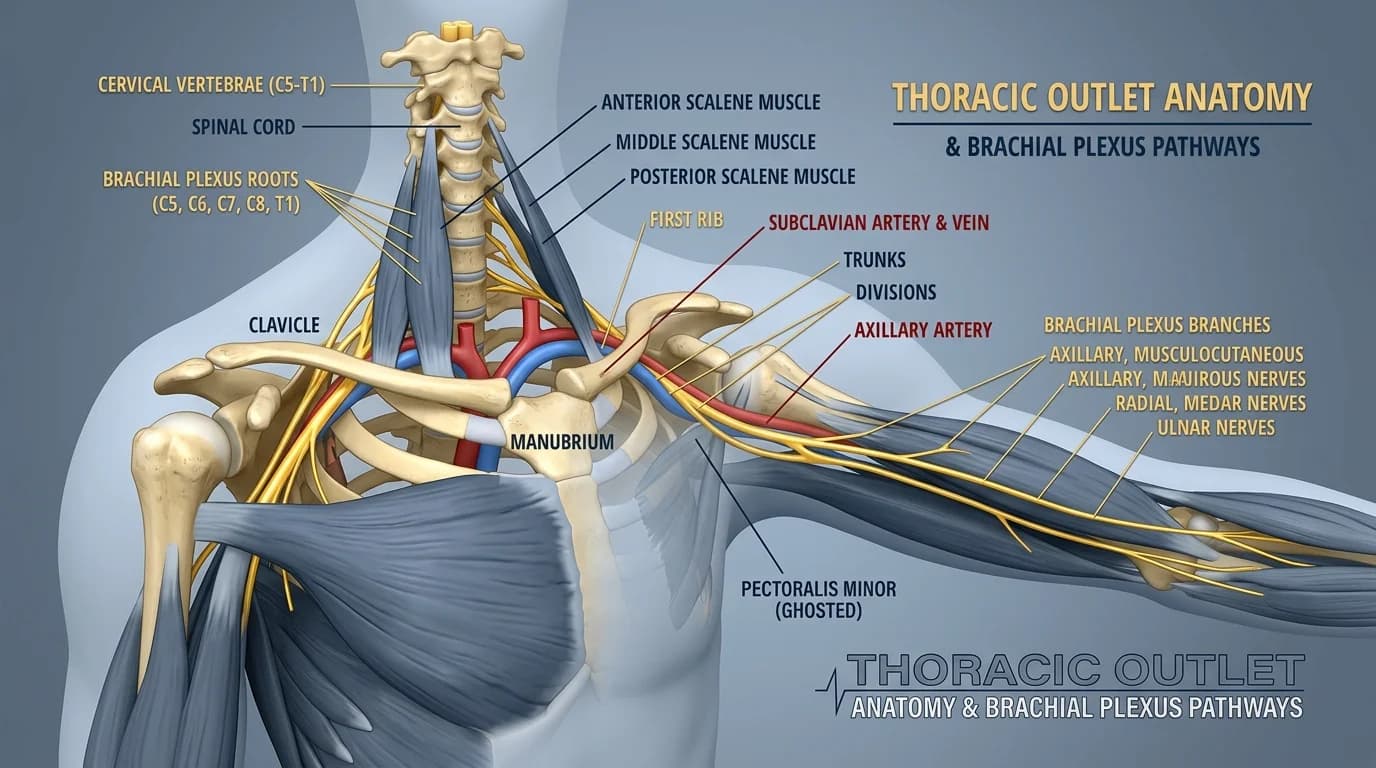
Artisans operating fly-shuttle handlooms perform thousands of unilateral arm jerks each working day to shoot the wooden shuttle across the warp shed. This high-velocity movement combines sudden glenohumeral internal rotation, shoulder abduction, and forceful elbow extension. The repetitive deceleration phase overloads the supraspinatus tendon, long head of biceps, and common extensor tendon origin at the lateral epicondyle. Structured occupational physiotherapy restores tendon load tolerance, corrects scapular dyskinesis, and mitigates cumulative micro-trauma.
Domestic and Cultural Indian Realities
Textile weaving in regions like Bhagalpur, Sambalpur, and Salem depends heavily on manual fly-shuttle looms. Artisans pull an overhead picking cord connected to wooden drivers (pickers) up to 60 times per minute. Loom sheds frequently operate under high ambient humidity and heat to prevent cotton and silk thread breakage. Weavers sustain this rhythmic arm pounding without rotation of tasks, often applying counter-irritant balms or tight cloth wraps around painful elbows to finish urgent festival orders for sarees and shawls.
Clinical Biomechanics and Occupational Overuse
The overhead pull cord mechanism creates an unphysiological kinetic sequence. The supraspinatus and infraspinatus contract eccentrically to decelerate the forceful arm excursion, causing compressive impingement beneath the rigid coracoacromial arch. At the elbow, repetitive forceful wrist extension and gripping of the wooden picking handle subject the extensor carpi radialis brevis tendon to persistent micro-shearing against the capitellum. Over time, tissue repair fails, resulting in angiofibroblastic tendinosis and persistent lateral epicondylalgia.
Workplace Ergonomic Assessment and Postural Metrics
Clinical assessment incorporates Rapid Upper Limb Assessment (RULA), which evaluates shoulder abduction, wrist deviation, and muscle repetition rates. Physical tests include the Neer impingement sign, Hawkins-Kennedy test, Cozen test, and Mill test for lateral epicondyle pathology. Clinicians measure grip strength using a Jamar hand dynamometer and evaluate scapular upward rotation during active arm elevation to identify dyskinetic movement patterns.
Targeted Workplace Conditioning and Stretching Protocols
Management combines eccentric tendon loading with loom adjustments. Padding the picking handle increases grip diameter, reducing required finger flexor tension. Lowering the overhead cord pulley decreases peak shoulder abduction angles. Strengthening the lower trapezius and serratus anterior stabilises the scapular base, while eccentric wrist extensor loading stimulates collagen realignment.
Eccentric Forearm Extensor Strengthening with Resistance Bar
Objective: Stimulate collagen remodeling and improve load tolerance in the common extensor tendon
- 1Sit comfortably with your affected forearm supported on a flat table, wrist extending over the edge.
- 2Hold a light wooden rolling pin or cylindrical weight with your palm facing downward.
- 3Assist your affected wrist into full extension using your non-affected hand.
- 4Slowly lower the weight into full wrist flexion over a count of 4 seconds using only the affected side.
- 5Repeat the smooth lowering phase without jerking or generating sharp pain.
| Anatomical Site | Clinical Pathomechanics | Physiotherapy Management |
|---|---|---|
| Supraspinatus Tendon | Subacromial impingement during overhead cord pulling | Scapular stabilization and rotator cuff isometric strengthening |
| Lateral Epicondyle | Tenosynovial micro-tears from repetitive wrist gripping | Eccentric extensor strengthening and counterforce forearm bracing |
| Biceps Long Head | Frictional irritation within bicipital groove | Anterior shoulder mobilisations and cross-body stretching |
| Periscapular Musculature | Serratus anterior inhibition and scapular anterior tilt | Wall slides, prone Y-to-T raises, and posture re-education |
Red Flags and Specialist Escalation
Sudden inability to actively abduct the shoulder after a sharp snap indicates an acute full-thickness rotator cuff tear requiring prompt orthopaedic evaluation and magnetic resonance imaging. Visible joint deformity, profound elbow flexion contracture, or progressive sensory loss along the radial nerve distribution necessitates urgent specialist investigation.
Frequently Asked Questions
Can physiotherapy manage chronic elbow tendonitis without stopping weaving?
Physiotherapy aims to relieve repetitive strain and restore functional capacity through eccentric exercise, manual therapy, and simple ergonomic cord adjustments. By modifying shuttle cord tension and scheduling brief rest intervals, artisans can continue weaving while rehabilitating tendon tissue.
Do I need a doctor referral to see a physiotherapist for shoulder pain in India?
Under the National Commission for Allied and Healthcare Professions (NCAHP) Act 2021, patients in India enjoy direct access to registered physiotherapists without requiring a mandatory prior medical referral. At BookPhysio.in, you consult verified physiotherapists and pay directly per session without hidden fees or platform commissions.
Related condition guides



Related recovery guides & articles
BookPhysio.in Editorial Team
The BookPhysio.in editorial team writes and maintains this content, checking it against reliable clinical sources. Content follows our medical review policy: general information only, and no page claims a clinical review until a named registered physiotherapist has signed it off.
Read our medical review policy