
Surviving ARDS: The 1-Year Cardiopulmonary and Functional Recovery Trajectory
In short
Understand long-term functional recovery after severe ARDS. 1-year pulmonary milestones, 6-minute walk distance, and exercise rehabilitation in India.
In this guide (2 sections)
Survival following severe Acute Respiratory Distress Syndrome (ARDS) has increased significantly, yet survivors face an arduous multi-year recovery journey. Landmark 1-year and 5-year longitudinal follow-up studies reveal that the primary long-term limitation for ARDS survivors is not pulmonary fibrosis, but rather severe, persistent muscle wasting, profound fatigue, and compromised exercise capacity.
Cardiopulmonary Mechanics vs Peripheral Neuromuscular Determinants
In ARDS survivors, static pulmonary function tests (forced expiratory volume and forced vital capacity) typically recover to 80 to 90 percent of predicted values within six to twelve months. However, the 6-Minute Walk Distance (6MWD) remains severely depressed, averaging only 50 to 65 percent of age-predicted normal values at one year. Extensive cardiopulmonary exercise testing confirms that this functional deficit is driven by peripheral skeletal muscle atrophy, microvascular capillary loss, and physical deconditioning, rather than intrinsic pulmonary ventilatory limitations.
| Timepoint Post-ICU | Pulmonary Status (DLCO & FVC) | Functional Mobility (6MWD % Predicted) | Target Physiotherapy Milestone | |
|---|---|---|---|---|
| 1 Month (Discharge) | FVC 50-60%, DLCO severely impaired (< 40%) | 6MWD < 30% predicted, severe exertional desaturation | Supported sit-to-stand, short indoor hallway walking (< 50m) | |
| 3 Months (Early Outpatient) | FVC 65-75%, DLCO 50-60%, mild exertional dyspnea | 6MWD 40-50% predicted, improved recovery kinetics | Unassisted household ambulation, progressive resistance band training | |
| 6 Months (Mid-Recovery) | FVC 75-85%, DLCO 60-70%, stable room air SpO2 | 6MWD 55-65% predicted, stair climbing achieved | Outdoor community walking, stationary cycling, aerobic conditioning | |
| 12 Months (Long-Term) | FVC 85-95% (Near normal), mild residual DLCO defect | 6MWD 65-75% predicted, persistent mild muscle fatigue | Vocational return, independent community life, maintenance fitness |
Long-Term Graded Aerobic and Resistance Protocols
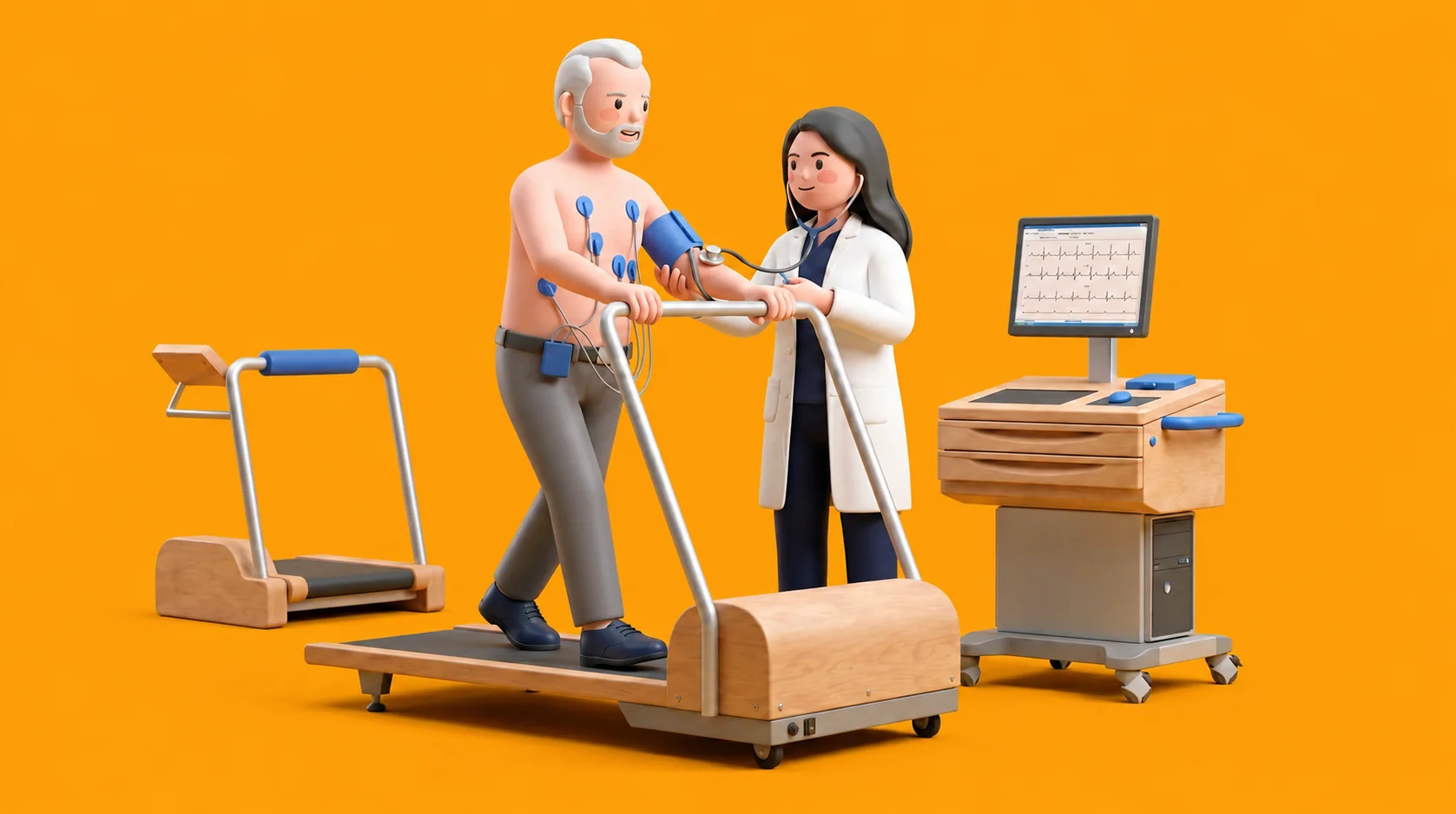
Outpatient pulmonary rehabilitation programs for ARDS survivors combine aerobic endurance conditioning with progressive resistance exercise. Aerobic training utilizes treadmill walking, stationary upright cycling, and outdoor pacing, targeting 20 to 30 minutes at 60 to 70 percent of peak heart rate reserve. Concurrently, progressive resistance exercises targeting major locomotive muscle groups are performed three days per week across two to three sets of ten repetitions.
Progressive Wall Squats with Diaphragmatic Exhalation
Objective: Rebuild quadriceps extensor power and functional standing stamina in post-ARDS survivors.
- 1Stand with the back resting flat against a smooth wall, feet positioned 18 inches forward, shoulder-width apart.
- 2Inhale quietly through the nose, preparing for the descent.
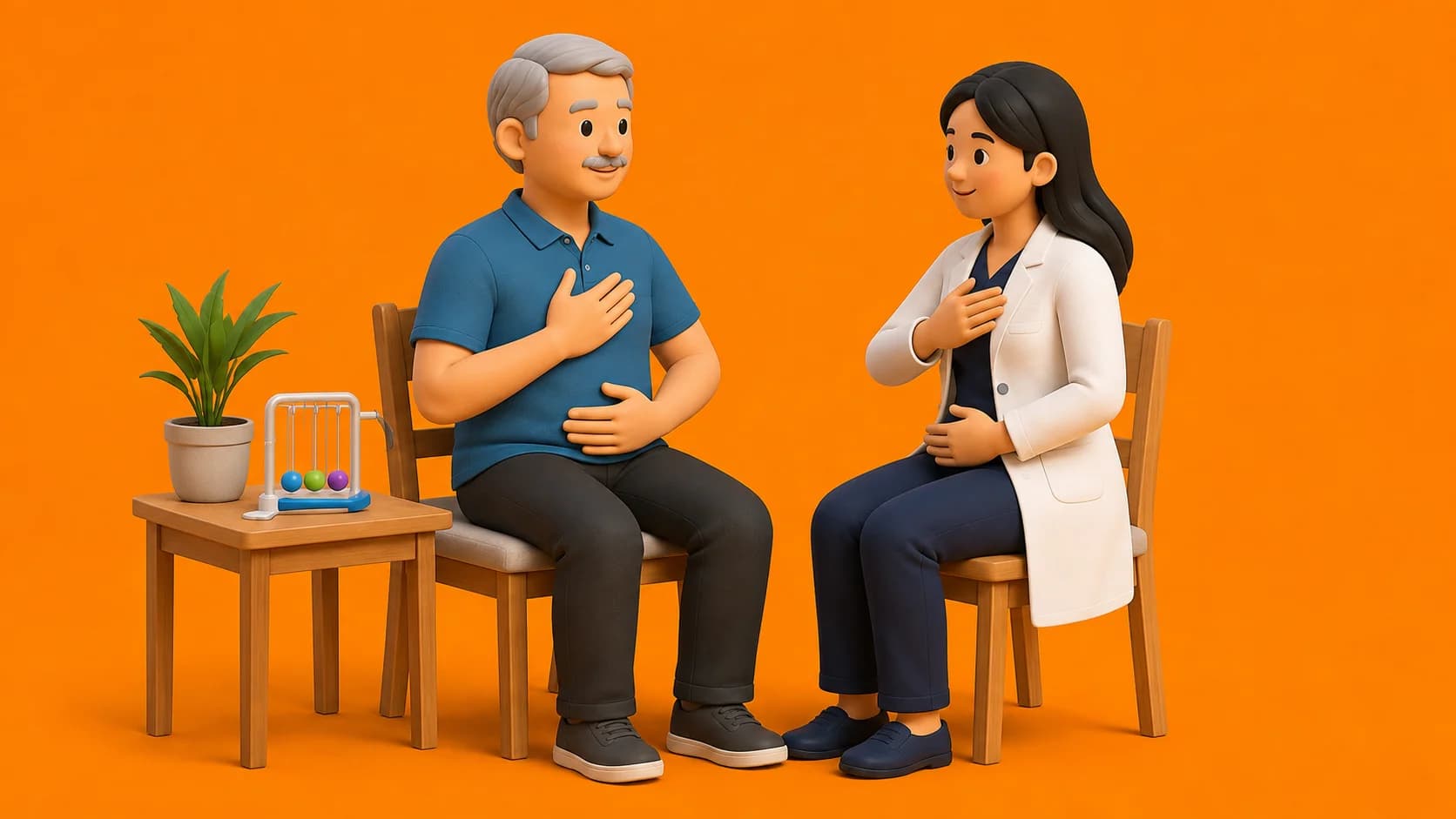
- 3As you exhale smoothly through pursed lips, slide your back down the wall until knees are bent to 45 to 60 degrees.
- 4Hold the squat position for five seconds, feeling the quadriceps muscles engage firmly.
- 5Push forcefully through both heels to slide back up the wall into full standing extension.
Domestic Recovery in India and Multigenerational Support
In Indian households, ARDS survivors often encounter environmental barriers such as multi-story stairs without elevators and dense traffic pollution. Multi-generational families play a vital role, modifying home environments to accommodate ground-floor living during early convalescence, accompanying the patient on daily walking sessions in private residential courtyards, and encouraging gradual resumption of social roles.
Long-Term Trajectory and 5-Year Functional Outcomes
Five-year follow-up registries show that ARDS survivors continue to make steady functional and quality-of-life gains well beyond the first year. With structured, consistent physical exercise, the vast majority of patients achieve complete independence in domestic living and return to full-time employment.
Ensure pulse oximetry is checked periodically during aerobic exercise progression. If exertional desaturation below 88 percent occurs, pause the exercise and consult the pulmonary specialist.
Why do ARDS survivors experience persistent weakness even when their lung scans show healing?
The primary driver of long-term disability in ARDS survivors is persistent critical illness myopathy and muscular deconditioning resulting from prolonged immobility and systemic inflammation, which take much longer to resolve than radiographic pulmonary infiltrates.
Do I need a doctor referral to consult a home physiotherapist in India?
Under the National Commission for Allied and Healthcare Professions (NCAHP) Act 2021, patients in India enjoy direct access to registered physiotherapists without requiring a mandatory doctor referral. At BookPhysio.in, you consult verified physiotherapists and pay directly per session without hidden fees or platform commissions.
Related condition guides


Related recovery guides & articles
BookPhysio.in Editorial Team
The BookPhysio.in editorial team writes and maintains this content, checking it against reliable clinical sources. Content follows our medical review policy: general information only, and no page claims a clinical review until a named registered physiotherapist has signed it off.
Read our medical review policy