
Unilateral Shoulder Bag Carrying: Asymmetric Trapezius Loading, First Rib Elevation, and Radicular Flares
In short
Carrying heavy bags on one shoulder generates severe asymmetric cervical shear and nerve root compression. Discover biomechanical corrections and posture resets.
In this guide (4 sections)
In modern daily life, carrying personal and occupational belongings is an inescapable requirement. However, the manner in which loads are carried profoundly impacts cervical spine kinematics and neurovascular mechanics. Carrying heavy bags unilaterally (utilizing single-strap laptop bags, heavy briefcases, or oversized shoulder purses) exerts an unremitting asymmetric mechanical load across the upper quadrant. This asymmetric load forces the ipsilateral upper trapezius into sustained ischemic contraction, elevates the first thoracic rib, and drives the cervical spine into compensatory contralateral lateral flexion and rotation. For individuals with underlying cervical spondylosis or mild disc bulges, unilateral bag carrying is a frequent trigger of acute radicular flares.
Heavy Laptop Bags, Grocery Totes, and Packed Indian Commuter Trains
Across major Indian urban centers, daily commuting habits impose intense unilateral loads. Corporate executives, college students, and office workers in cities like Mumbai, Delhi, and Bengaluru routinely carry single-strap laptop bags weighing 6 to 9 kilograms, containing computers, chargers, water bottles, and metal lunch tiffins. Navigating crowded suburban trains, boarding moving city buses, or walking through crowded metro interchanges with a heavy bag hanging off one shoulder forces the carrier to hitch that shoulder upward continuously to prevent the strap from slipping off. Domestically, homemakers returning from local vegetable markets carry heavy fabric or plastic grocery bags loaded with several kilograms of produce in one hand. These daily habits create persistent shoulder aching that rapidly progresses to shooting nerve pain into the fingers.
Shoulder Depression Biomechanics, First Rib Elevation, and Neurovascular Traction
Biomechanical analysis reveals a dual pathological mechanism when carrying a heavy load on one shoulder. First, the dead weight of the bag applies downward traction on the clavicle and scapula, stretching the upper trunk of the brachial plexus across the first rib. To counter this downward pull and keep the strap secure, the upper trapezius, levator scapulae, and anterior scalene contract continuously. Chronic hypertonicity of the anterior and middle scalene muscles lifts the first rib upward toward the clavicle. This elevation severely narrows the costoclavicular space and interscalene triangle (the thoracic outlet), compressing the passing brachial plexus trunks and subclavian vessels. Second, to balance the center of gravity, the cervical spine reflexively side-bends away from the loaded side while rotating toward it. This compensatory posture increases compressive shear across the contralateral uncovertebral and facet joints, narrowing the intervertebral foramina and provoking acute cervical radiculopathy.
Ergonomic Load Redistribution, First Rib Mobilization, and Postural Balancing
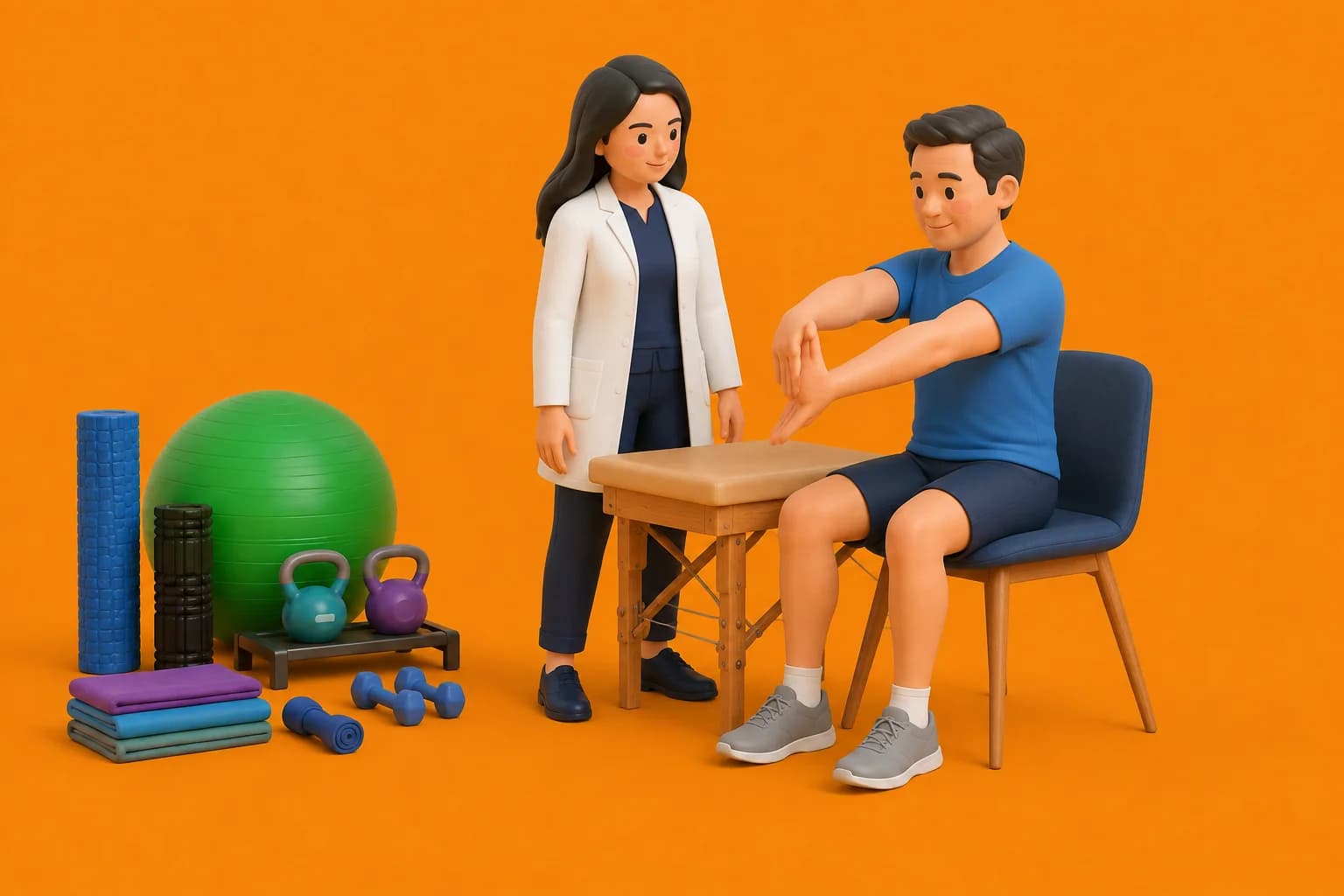
Physiotherapy intervention begins with fundamental load modification. Clinicians advise patients to replace single-strap bags with symmetrical two-strap backpacks featuring padded shoulder straps and a sternum clip that distributes weight evenly across both shoulders and the upper thoracic spine. Heavy objects should be placed closest to the spine. For active grocery shopping, rolling trolley carts or dividing groceries equally between two bags carried symmetrically in both hands neutralizes asymmetric torque. Clinical manual therapy targets manual inferior-medial glides of the elevated first rib, soft tissue release of the hypertonic upper trapezius and scalenes, and active median and ulnar neurodynamic sliders. Core and periscapular strengthening restore balanced posture.
Active First Rib Self-Mobilization Using a Fabric Strap
Objective: Mobilize an elevated first rib inferiorly to decompress the thoracic outlet and relieve neural traction
- 1Sit upright on a supportive chair with your spine straight and feet flat on the floor.
- 2Drape a long, unyielding fabric strap or thin towel over the top of your affected shoulder, positioning it right at the base of your neck.
- 3Hold the front and back ends of the strap with your opposite hand across your chest.
- 4Pull the strap firmly downward and inward toward your opposite hip, applying steady downward pressure on the first rib.
- 5While maintaining this firm downward pull, gently tilt your head toward the same shoulder as the strap, hold for 5 seconds, and repeat.
| Load-Carrying Method | Kinematic and Neural Stress Profile | Clinical Risk Level & Physiotherapy Recommendations |
|---|---|---|
| Single-Strap Shoulder Bag | Severe asymmetric trapezius contraction; elevates first rib; narrows thoracic outlet | High risk of radicular flare; strictly avoid carrying loads over 3 kg unilaterally. |
| Hand-Held Heavy Tote / Tiffin | Downward traction on brachial plexus; strains levator scapulae and lateral cervical facets | Moderate to high risk; split groceries equally into two bags carried in both hands. |
| Two-Strap Ergonomic Backpack | Symmetrical load distribution over upper thoracic spine; neutral cervical alignment | Lowest risk; ensure bag rests close to upper back with straps adjusted snugly. |
| Cross-Body Messenger Bag | Diagonal strap reduces shoulder drop but can create direct neck pressure on scalenes | Moderate risk; alternate carrying side regularly; keep total pack weight light. |
| Rolling Wheeled Trolley Bag | Zero axial load on the cervical spine and shoulders; smooth wheeled transit | Optimal choice for heavy daily office equipment or market shopping. |
If a patient carrying heavy shoulder bags develops hand swelling, bluish discoloration (cyanosis), coldness in the fingers, or absent radial pulses when elevating the arm, evaluate immediately for vascular thoracic outlet syndrome (subclavian vein thrombosis or subclavian artery compression). Order urgent Doppler vascular ultrasound.
Frequently Asked Questions
Why does carrying my laptop bag on my right shoulder make my left neck hurt?
When you hang a heavy bag on your right shoulder, your body naturally tilts and bends your neck to the left to keep your balance and prevent the strap from slipping off. This sustained leftward neck bend pinches the small joints and nerve holes on the left side of your neck, provoking nerve pain on the side opposite the bag.
Do I need a doctor referral to see a cervical spine physiotherapist on BookPhysio.in?
BookPhysio.in does not require a physician prescription. Under the National Commission for Allied and Healthcare Professions (NCAHP) Act 2021, patients across India enjoy direct access to autonomous registered physiotherapists. Through BookPhysio.in, you connect directly with verified clinicians and pay per session with transparent fees, completely free from advance package commitments, commission markups, or platform subscription charges.
Related condition guides


Related recovery guides & articles
BookPhysio.in Editorial Team
The BookPhysio.in editorial team writes and maintains this content, checking it against reliable clinical sources. Content follows our medical review policy: general information only, and no page claims a clinical review until a named registered physiotherapist has signed it off.
Read our medical review policy