
Ventilator Weaning Fatigue: Recognizing Accessory Muscle Overuse
In short
Recognize respiratory muscle pump exhaustion and accessory muscle overuse during ventilator weaning. Learn clinical stages, fatigue signs, and rest protocols.
In this guide (4 sections)
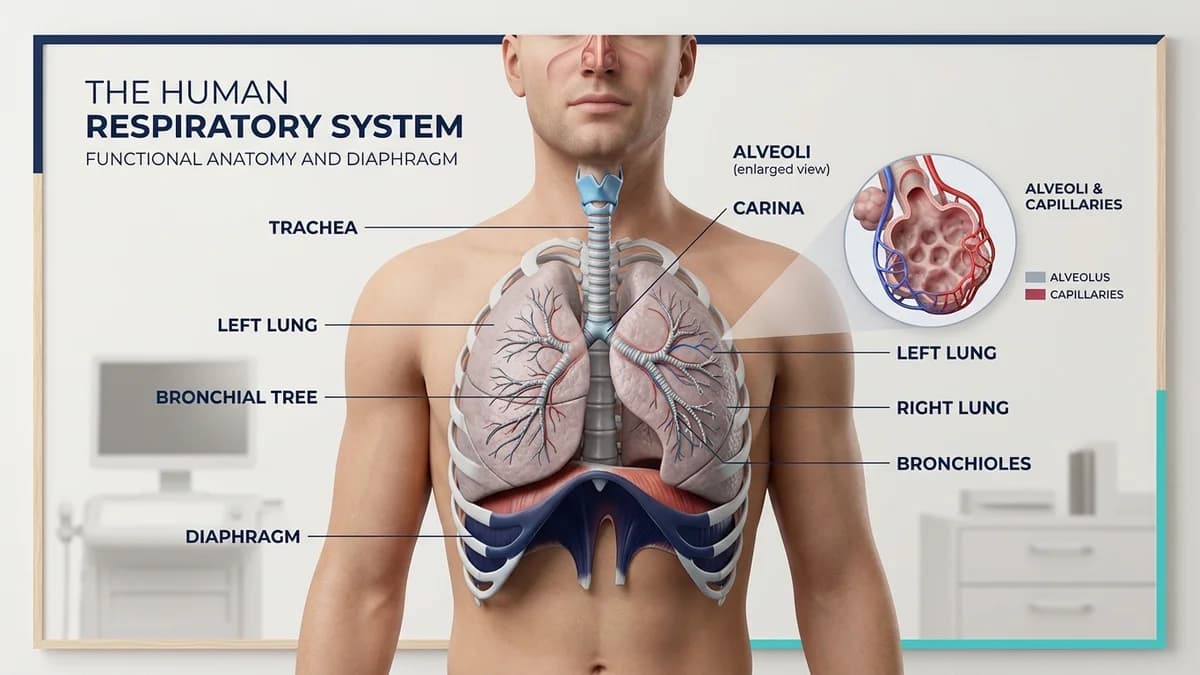
Weaning from mechanical ventilation represents an intensive physiological stress test for the respiratory muscle pump. When the total mechanical load (airway resistance, dynamic hyperinflation, reduced pulmonary compliance) exceeds the neuromuscular capacity of the diaphragm, the central nervous system recruits accessory muscles of respiration. While compensatory accessory recruitment temporarily preserves minute ventilation, prolonged reliance on these inefficient muscles leads to rapid metabolic exhaustion, diaphragmatic contractile failure, and acute weaning failure.
Neuromechanical Coupling, Accessory Recruitment, and Pump Failure
The diaphragm is structurally optimized for continuous, fatigue-resistant aerobic respiration, rich in mitochondria and oxidative type I muscle fibers. In contrast, accessory muscles of inspiration, including the sternocleidomastoids, scalenes, pectoralis minor, and upper trapezius, contain a higher proportion of glycolytic type IIb fibers designed for short bursts of exertion. When diaphragmatic force is inadequate, neural drive increases exponentially, recruiting accessory muscles. This recruitment increases the oxygen consumption (VO2) of breathing from a normal 3 to 5 percent of total cardiac output to over 25 to 30 percent. Progressive lactic acidosis and electromechanical uncoupling ensue, manifesting clinically as tachypnea, intercostal indrawing, and thoracoabdominal paradox.
| Fatigue Stage | Clinical & Physical Signs | Primary Muscle Groups Recruited | Recommended Clinical Action | |
|---|---|---|---|---|
| Stage 1: Tachypnea | Breathing frequency increases to 26-30 bpm | Increased diaphragmatic firing, mild scalene activity | Re-assess secretional load; optimize seated posture | |
| Stage 2: Accessory Overuse | Prominent sternocleidomastoid cord contraction | Scalenes, sternocleidomastoids, pectoralis minor | Provide 5 to 7 cmH2O pressure support to unload muscles | |
| Stage 3: Asynchrony | Thoracoabdominal asynchronous movement | Severe intercostal and abdominal wall co-activation | Terminate trial; return patient to full rest ventilation | |
| Stage 4: Paradox & Arrest | Thoracoabdominal paradox, gasping, somnolence | Diaphragmatic contractile arrest; passive chest indrawing | Immediate full mechanical control; emergency blood gas |
Weaning Fatigue Monitoring and Resting Protocol
Physiotherapists must inspect the patient neck, shoulders, and chest wall during weaning trials. Palpating the sternocleidomastoid tendons during inspiration provides objective confirmation of accessory recruitment. If prominent accessory contraction persists for more than 10 minutes, or if thoracoabdominal asynchrony appears, the trial must be terminated immediately. The patient is placed on full ventilatory rest for at least 12 to 24 hours to replenish muscle glycogen stores.
Diaphragmatic Unloading and Accessory Muscle Relaxation Protocol
Objective: Release cervical accessory muscle tension, reduce respiratory work, and restore calm diaphragmatic excursion.
- 1Terminate the unassisted breathing trial and restore prescribed baseline mechanical ventilator pressure support.
- 2Elevate the bed to a 60-degree cardiac chair angle, placing supportive pillows under both forearms to unload the shoulder girdle.
- 3Apply gentle manual myofascial release along the bilateral sternocleidomastoid and upper trapezius muscle bellies.
- 4Place one warm hand over the patient epigastric region, guiding the patient to focus breathing beneath your palm.
- 5Instruct the patient to exhale slowly, coaching the neck muscles to soften and drop on every breath until tachypnea resolves.
Home Care Fatigue Surveillance in Indian Domiciliary Units
In Indian home mechanical ventilation programs, family attendants frequently misinterpret tachypnea and accessory neck straining as normal exertion during weaning trials, encouraging the patient to push through the breathlessness. Physiotherapists must educate caregivers that the respiratory pump cannot be forced through exhaustion; pushing through severe fatigue causes diaphragmatic myotrauma and delays recovery by weeks. Attendants are taught to monitor neck muscles and return to ventilator support promptly.
Thoracoabdominal paradox (the chest wall sinks inward while the abdomen pushes outward during inspiration) indicates absolute diaphragmatic contractile failure; immediately resume full mechanical support to prevent cardiac arrest.
Clinical Questions and Evidence-Based Practice
How long does a fatigued diaphragm need to rest on mechanical ventilation to recover full strength?
Physiological studies demonstrate that once a diaphragm reaches low-frequency contractile fatigue and glycogen depletion, full biochemical and electromechanical recovery requires at least 24 to 48 hours of complete mechanical ventilatory rest.
Do patients need a doctor referral to start respiratory physiotherapy or tracheostomy weaning at home?
Under the National Commission for Allied and Healthcare Professions (NCAHP) Act 2021, patients in India have direct access to registered physiotherapists without requiring a mandatory doctor prescription. At BookPhysio.in, you connect directly with verified cardiorespiratory physiotherapists and pay per session without hidden fees or platform commissions.
Related condition guides



Related recovery guides & articles
BookPhysio.in Editorial Team
The BookPhysio.in editorial team writes and maintains this content, checking it against reliable clinical sources. Content follows our medical review policy: general information only, and no page claims a clinical review until a named registered physiotherapist has signed it off.
Read our medical review policy