
Physiotherapy for Avascular Necrosis of the Hip
Quick answer
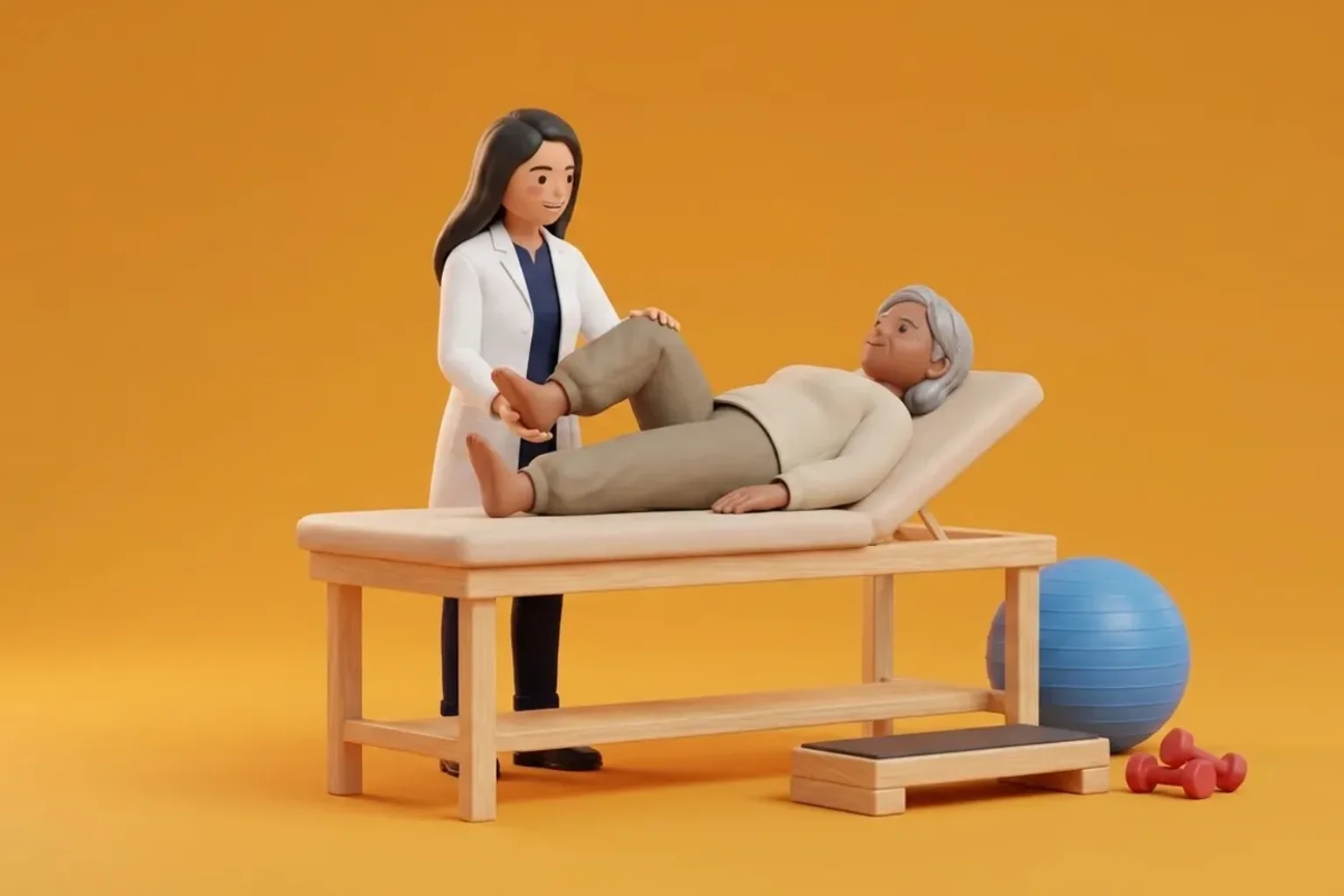
Physiotherapy provides essential functional support, joint offloading, and muscle preservation for avascular necrosis (AVN) of the hip. Working closely with orthopaedic staging, a physiotherapist guides protected weight-bearing, gentle hip range-of-motion, gluteal strengthening, and low-impact conditioning to maintain walking independence and delay joint collapse.
- Loss of blood supply to femoral head bone
- Common after steroid therapy, alcohol, or fall
- Early orthopaedic staging guides joint salvage
- Protected weight-bearing shields dying bone
- Low-impact exercises preserve hip mobility
What is avascular necrosis of the hip?
Avascular necrosis (AVN) of the femoral head (also known as osteonecrosis of the hip) occurs when temporary or permanent loss of blood supply leads to bone cell death, subchondral micro-fractures, and potential collapse of the femoral head articular surface. In India, a major surge in hip AVN has been documented following corticosteroid treatment (such as during COVID-19 therapy), chronic alcohol use, or trauma. While orthopaedic surgery (such as core decompression in early stages or total hip replacement in advanced collapse) addresses the vascular and structural pathology, physiotherapy plays a critical role in preserving hip capsular range of motion, strengthening supporting gluteal and core muscles without compressive overload, teaching assistive cane or crutch gait to protect the healing bone, and accelerating post-surgical recovery.

Orthopaedic Physiotherapy
Avascular Necrosis of the Hip is assessed and treated under Orthopaedic physiotherapy (bones & joints). Bones, joints, muscles, and ligaments. Back pain, fractures, and post-surgery recovery.
How physiotherapy helps
- Protected weight-bearing gait and cane advice
- Gentle passive and active-assisted hip ROM
- Low-compression gluteal and core training
- Stationary cycling low-impact conditioning
- Pre-operative and post-surgery rehabilitation
Common signs
- Deep aching or throbbing pain in the groin, anterior thigh, or buttock that worsens with standing or walking
- Stiffness and marked restriction in hip internal rotation and abduction, making it difficult to put on shoes or sit cross-legged
- A sudden increase in groin pain that may indicate subchondral bone collapse
- An antalgic limp, shifting body weight off the painful leg when walking
- Pain that initially occurs only with activity, but progresses to resting or nocturnal ache in later stages
In-clinic vs home visit physiotherapy
| What to compare | In-clinic | Home visit |
|---|---|---|
| Typical fee | ₹300 to ₹1,500 a session. It depends on your city. | ₹400 to ₹2,000 a session. It depends on your city. |
| Exact fee | Set by each physiotherapist and shown on their profile | Set separately for home visits and shown on their profile |
| Best for | Equipment-based rehab and first assessments | Limited mobility, post-surgery, and elderly care |
| Equipment | Full clinic setup | Portable equipment the physiotherapist brings |
| Travel | You travel to the clinic | The physiotherapist comes to you |
| Booking | Pick a clinic slot on search | Filter by home visit on search |
Clinical rehabilitation framework
Evidence-informed clinical progression and starter exercise targets for avascular necrosis of the hip.
Clinical progression criteria & key observations
- Early-stage disease before collapse has occurred is when joint-preserving procedures such as core decompression are most likely to help, which is why prompt orthopaedic staging matters
Starter exercise targets & evidence-based dosage
When to seek urgent care
Physiotherapy is safe for most people. See a doctor urgently if you have any of these.
- Sudden, dramatic worsening of groin pain with acute inability to bear weight, signaling femoral head collapse
- Hip pain accompanied by high fever, chills, and local heat, which may indicate septic arthritis
- Severe constant night pain that prevents sleep regardless of position
- New numbness or weakness radiating down the leg into the foot
Seek urgent medical care first. Physiotherapy comes after, when it is safe.
Frequently asked questions
Can physiotherapy reverse avascular necrosis of the hip?
Can I get physiotherapy for avascular necrosis of the hip at home?
What exercises should be avoided with hip AVN?
How much does physiotherapy for avascular necrosis of the hip cost in India?
Related conditions & care



Clinical guides & articles for avascular necrosis of the hip
Evidence-informed articles, recovery timelines, and home care advice from our clinical library.
Deep Squat Hip Impingement: Relieving Femoroacetabular Groin Pinch in Strength Training
Pinching groin pain at the bottom of a deep squat is often Femoroacetabular Impingement (FAI). Discover how modifying stance width and joint mobility restores painless squats.
Post-Hip Fracture Home Mobilisation in Indian Seniors: Safe Timeline, Toilet Transfers, and Physio
Immobility after hip fracture surgery carries severe risks for seniors. Discover clinical weight-bearing timelines, safe toilet transfers, and home physiotherapy.
Total Hip Replacement: Posterior vs Anterior Precautions, Gait, and Stair Climbing
Recovering from hip replacement requires mastering surgical precautions and gait retraining. Discover evidence-based physiotherapy protocols from hospital to home.
Cross-Legged Sitting (Sukhasana) Stiffness: Hip Mobility, Meniscal Protection, and Physio Protocols
Struggling to sit cross-legged for meals or puja rituals indicates hip and meniscal restriction. Discover evidence-based hip opening and knee-safe physiotherapy.
Find physiotherapists for avascular necrosis of the hip by city
Verified physiotherapists treat avascular necrosis of the hip in these cities. Home visit and in-clinic options vary by physiotherapist.
Find a physiotherapist for avascular necrosis of the hip
Compare physiotherapists by fee, experience, and availability. Clinic visits and home visits across India.
This page is for general education and booking guidance. It does not diagnose your condition or replace medical care.
If your symptoms are severe, sudden, or getting worse, seek urgent medical care first. The same applies with fever, chest pain, breathlessness, fainting, new weakness, loss of bladder or bowel control, or unexplained bleeding.
Always consult a qualified physiotherapist or doctor about your condition.