
Physiotherapy for Cerebral Palsy

Quick answer
Physiotherapy helps people with cerebral palsy move more easily, manage stiffness, and stay as independent and active as possible throughout life, alongside their wider care team.
- Supports movement and independence across life
- Home visits suit regular sessions
- Works alongside your care team
- We check every physiotherapist’s registration details before their profile goes live
What is cerebral palsy?
Cerebral palsy is a lifelong condition that affects movement and posture, caused by differences in early brain development. Physiotherapy helps manage muscle tightness, maintain and improve movement, and support independence at every stage of life, working alongside the wider care team including your neurologist and paediatrician. For children, early therapy is especially valuable and very play-based.
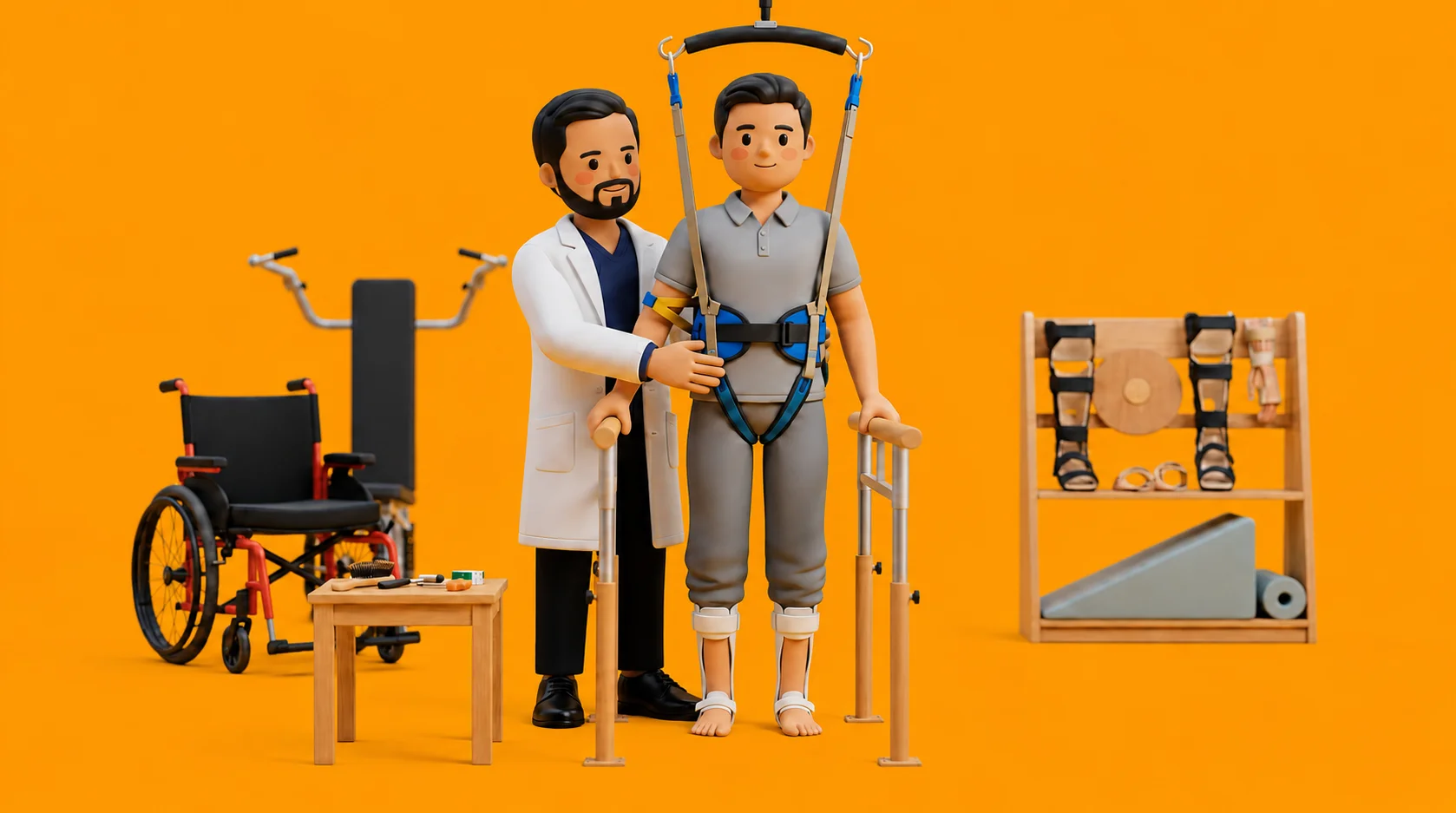
Neurological Physiotherapy
Cerebral Palsy is assessed and treated under Neurological physiotherapy (nerves & brain). Stroke recovery, nerve rehabilitation, and neurological movement disorders.
How physiotherapy helps
- Stretching and managing muscle tightness
- Strengthening and movement practice
- Mobility, walking aids, and equipment advice
- Posture and seating guidance
- Staying active to maintain function
Common signs
- Muscle stiffness or tightness
- Difficulty with movement and coordination
- Balance problems
- Posture differences
- Tiring with physical activity
In-clinic vs home visit physiotherapy
| What to compare | In-clinic | Home visit |
|---|---|---|
| Indicative fee band | BookPhysio guide: ₹300 to ₹1,500 a session. This is not a measured average; check the physiotherapist's current profile for the exact fee. | BookPhysio guide: ₹400 to ₹2,000 a session. This is not a measured average; check the physiotherapist's current profile for the exact home-visit fee. |
| Exact fee | Set by each physiotherapist and shown on their profile when an in-clinic fee is listed | Set separately for home visits and shown on their profile when a home-visit fee is listed |
| Decision factors | A clinic setting may offer equipment or facilities that are useful for some sessions. Ask the physiotherapist what is available and appropriate for your appointment. | A home visit can reduce travel when mobility, transport, or convenience matters. Confirm the service area and whether a home visit is appropriate with the physiotherapist. |
| Equipment availability | Varies by clinic and physiotherapist. Ask what equipment or facilities are available. | Varies by physiotherapist and appointment. Ask what they bring for a home visit. |
| Travel | You travel to the clinic | The physiotherapist comes to you |
| Finding an option | Choose an in-clinic option only when the physiotherapist lists it on their profile | Use the home-visit filter and confirm the physiotherapist covers your area |
Clinical rehabilitation framework
Evidence-informed clinical progression and starter exercise targets for cerebral palsy.
Clinical progression criteria & key observations
- GMFCS level is the shared language across the team: record it and set goals within realistic bands for that level
- Evidence favours active, goal-directed, high-practice approaches; passive modalities alone have little support
- Keep hip surveillance on the radar for GMFCS III to V; displacement is silent until late
Starter exercise targets & evidence-based dosage
When to seek urgent care
Physiotherapy is safe for most people. See a doctor urgently if you have any of these.
- A sudden loss of a movement ability you had before
- Severe pain, especially around the hips
- New or worsening problems that are not usual for you
Seek urgent medical care first. Physiotherapy comes after, when it is safe.
Frequently asked questions
How does physiotherapy help cerebral palsy?
Can I get physiotherapy for cerebral palsy at home?
How much does physiotherapy for cerebral palsy cost in India?
Related conditions & care


Clinical guides & articles for cerebral palsy
Evidence-informed articles, recovery timelines, and home care advice from our clinical library.
BPT vs MPT: Physiotherapy Qualifications & Specializations in India
BPT is the undergraduate professional physiotherapy degree pathway, while MPT is postgraduate physiotherapy education after an eligible first degree. Programme length and curriculum have changed over time across institutions and regulatory eras, so do not judge a practising physiotherapist by comparing old and new course structures without context.
MPT specializations list in India: 2026 curriculum rules and clinical branches
The University Grants Commission (UGC) Gazette of India specifications and NCAHP curriculum frameworks define recognized Master of Physiotherapy (MPT) branches across India. Explore the 6 clinical disciplines, syllabus standards, and statutory clinic setup rights for BPT vs MPT.
How to Find the Best Physiotherapist for Your Condition (Not Just Who Is Nearby)
Choosing a physiotherapist based only on clinic proximity or casual word-of-mouth often leads to mismatched care. Discover why clinical sub-specialisation matters, how to verify credentials, and how BookPhysio connects you with the right specialist for your condition.
Cerebral Palsy GMFCS Levels I to V: Physiotherapy Milestones, Equipment and Home Care
The Gross Motor Function Classification System (GMFCS) is the global clinical gold standard for categorising functional mobility in children with cerebral palsy. Learn how paediatric physiotherapists structure therapy goals, adaptive equipment, and home positioning across all five levels.
Search for a physiotherapist
Keep cerebral palsy as your search context, then review each current profile for specialties, listed conditions, visit types, fee and availability before you request an appointment.
This page is for general education and booking guidance. It does not diagnose your condition or replace medical care.
If your symptoms are severe, sudden, or getting worse, seek urgent medical care first. The same applies with fever, chest pain, breathlessness, fainting, new weakness, loss of bladder or bowel control, or unexplained bleeding.
Always consult a qualified physiotherapist or doctor about your condition.