
Physiotherapy for Femoroacetabular Impingement (FAI)
Quick answer
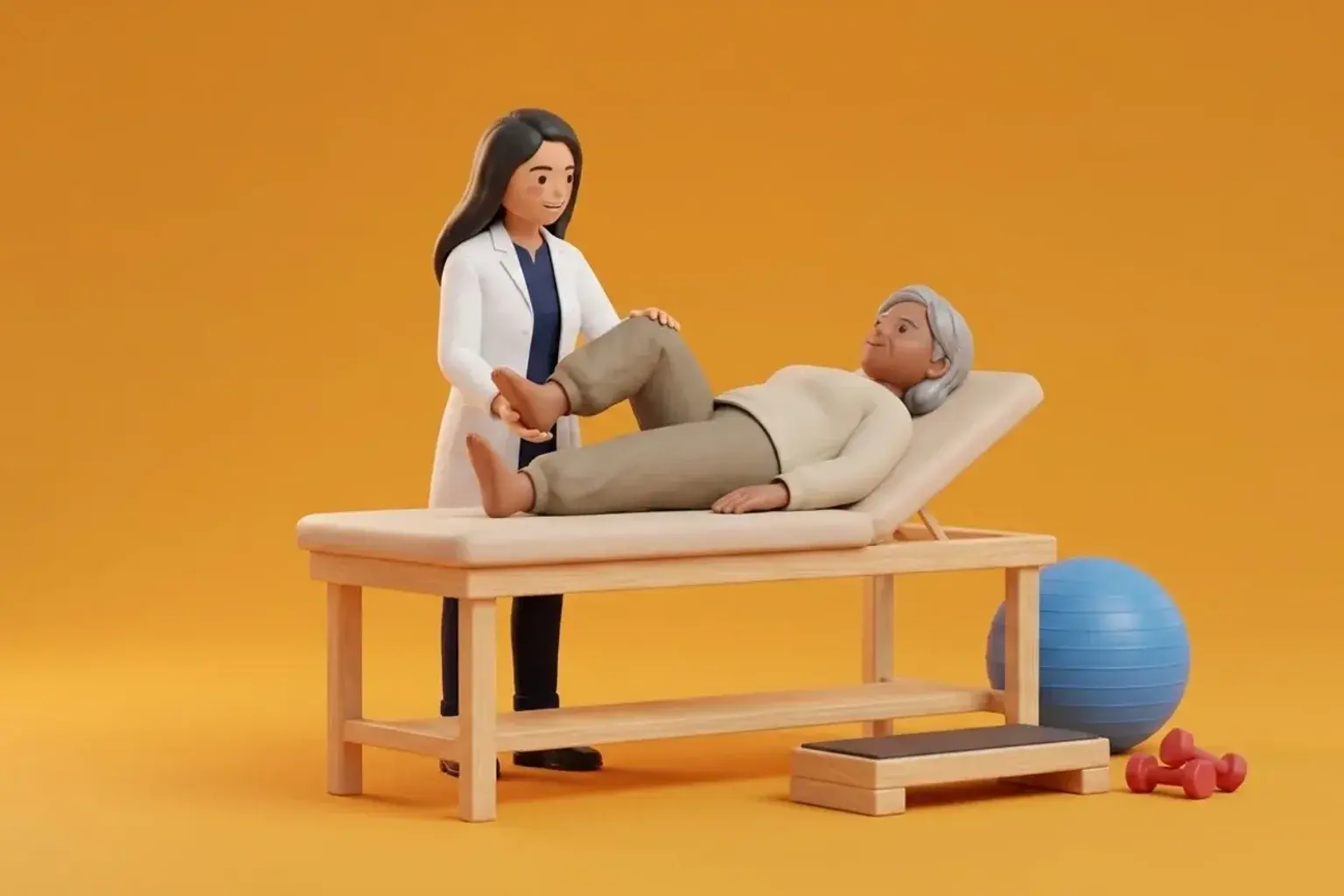
Physiotherapy is the primary non-surgical intervention for femoroacetabular impingement (FAI) and acetabular labral tears. A physiotherapist improves pelvic-lumbar mechanics, strengthens deep gluteal stabilizers and hip abductors, and teaches movement adaptations (avoiding extreme hip flexion and adduction) to relieve groin pinch and restore pain-free hip function.
- Groin pinch caused by hip bone abutment
- Cam and pincer morphology stress the labrum
- Deep squats and prolonged sitting worsen pain
- Warwick Agreement endorses physio first line
- Gluteal strengthening stabilizes the hip
What is femoroacetabular impingement (FAI)?
Femoroacetabular impingement (FAI) syndrome is a motion-related hip disorder where morphological variations in the femoral head-neck junction (cam) or acetabulum (pincer) cause repetitive mechanical abutment and groin pinching, often stressing the acetabular labrum. In athletes, gym enthusiasts, and individuals frequently performing deep floor squats across India, symptoms present as anterior groin pain during sitting, driving, or athletic cutting. Following the international Warwick Agreement, evidence-based physiotherapy combines progressive hip muscle strengthening (gluteus medius, deep hip external rotators, and core), hip joint mobility within comfortable range, and activity modification to manage symptoms and avoid unnecessary surgery.
Orthopaedic Physiotherapy
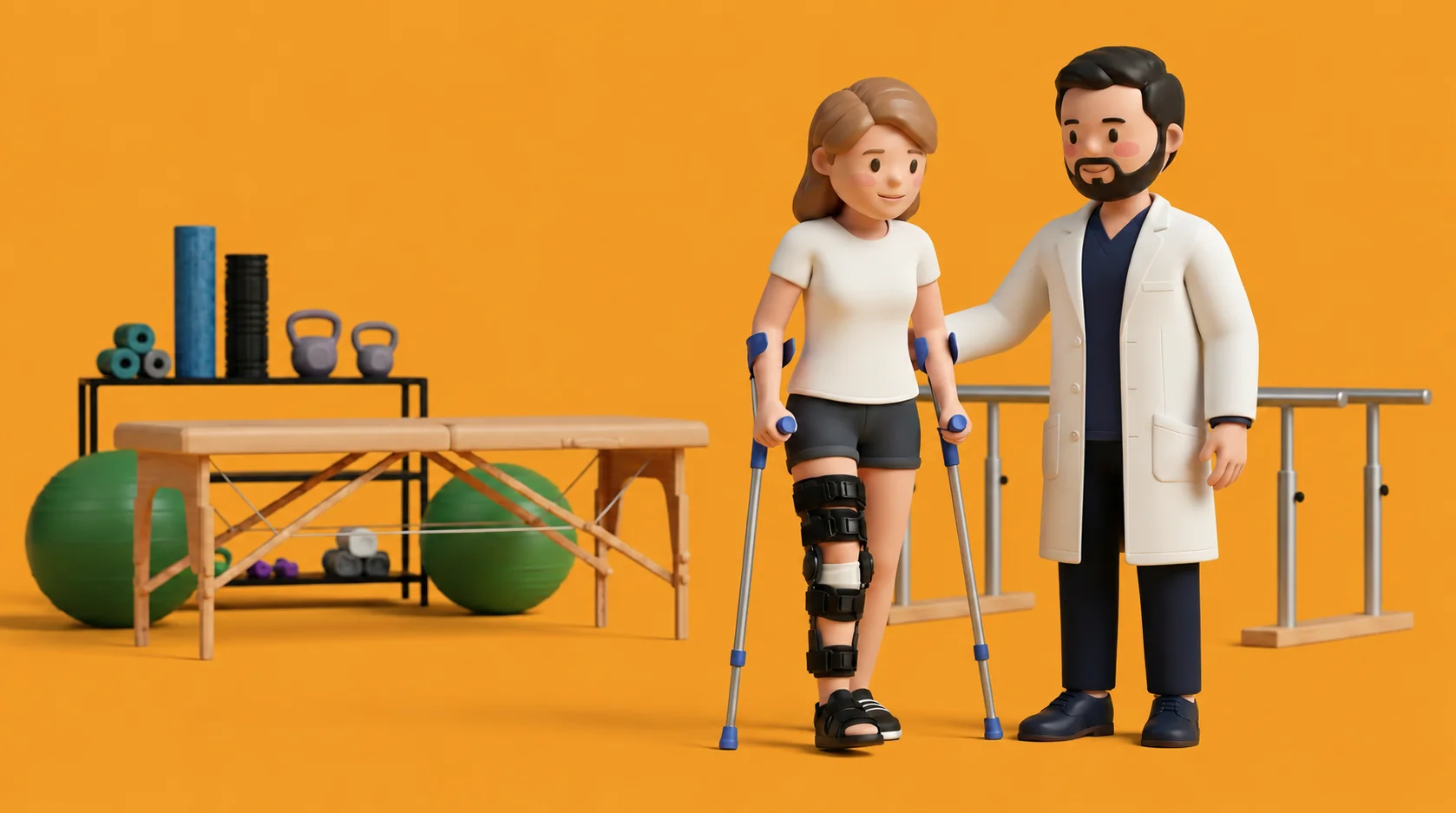
Femoroacetabular Impingement (FAI) is assessed and treated under Orthopaedic physiotherapy (bones & joints). Bones, joints, muscles, and ligaments. Back pain, fractures, and post-surgery recovery.
How physiotherapy helps
- Gluteus medius and deep hip rotator loading
- Hip flexor release and mobility exercises
- Pelvic lumbar control and core stabilization
- Squat depth and athletic cutting re-education
- Pacing advice avoiding painful hip impingement
Common signs
- Deep anterior groin or hip pain, often described with the C-sign grasping the outer and inner hip
- Sharp groin pinch during deep squats, getting into a low car, or tying shoelaces
- Stiffness and reduced hip internal rotation when the hip is bent to 90 degrees
- Clicking, catching, or giving-way sensations inside the hip joint from labral involvement
- A dull ache in the groin, lateral hip, or buttock after prolonged sitting or sports activities
In-clinic vs home visit physiotherapy
| What to compare | In-clinic | Home visit |
|---|---|---|
| Typical fee | ₹300 to ₹1,500 a session. It depends on your city. | ₹400 to ₹2,000 a session. It depends on your city. |
| Exact fee | Set by each physiotherapist and shown on their profile | Set separately for home visits and shown on their profile |
| Best for | Equipment-based rehab and first assessments | Limited mobility, post-surgery, and elderly care |
| Equipment | Full clinic setup | Portable equipment the physiotherapist brings |
| Travel | You travel to the clinic | The physiotherapist comes to you |
| Booking | Pick a clinic slot on search | Filter by home visit on search |
Clinical rehabilitation framework
Evidence-informed clinical progression and starter exercise targets for femoroacetabular impingement (FAI).
Clinical progression criteria & key observations
- Cam or pincer morphology on imaging is common in asymptomatic people too, so the clinical diagnosis of FAI syndrome depends on symptoms, positive impingement signs, and imaging together, not imaging alone
Starter exercise targets & evidence-based dosage
When to seek urgent care
Physiotherapy is safe for most people. See a doctor urgently if you have any of these.
- Severe groin pain with sudden inability to bear weight, warranting evaluation for femoral neck stress fracture or AVN
- Hip pain accompanied by systemic fever, chills, and malaise suggesting septic arthritis
- Unexplained night pain that does not change with position or rest
- Progressive neurological deficit including quadriceps weakness or foot drop
Seek urgent medical care first. Physiotherapy comes after, when it is safe.
Frequently asked questions
Can physiotherapy resolve FAI hip pain without surgery?
Can I get physiotherapy for femoroacetabular impingement at home?
What movements should I avoid with FAI and labral tears?
How much does physiotherapy for femoroacetabular impingement cost in India?
Related conditions & care



Clinical guides & articles for femoroacetabular impingement (FAI)
Evidence-informed articles, recovery timelines, and home care advice from our clinical library.
Cricket Batsman and Wicket-Keeper Shoulder Pain: SLAP Labral Tears and Throwing Mechanics
Boundary throws and power hitting place extreme rotational loads on the shoulder labrum. Discover how sports physiotherapy rehabilitates SLAP tears and rotator cuff strains.
Deep Squat Hip Impingement: Relieving Femoroacetabular Groin Pinch in Strength Training
Pinching groin pain at the bottom of a deep squat is often Femoroacetabular Impingement (FAI). Discover how modifying stance width and joint mobility restores painless squats.
Hip Scour Test (Quadrant Test): Acetabular Labral and Articular Cartilage Guide
Anterior groin clicking and deep hip ache frequently arise from acetabular labral tears or early cartilage wear. Learn how the Hip Scour test evaluates the full circumference of the acetabulum.
FADIR Test: Femoroacetabular Impingement (FAI) and Anterior Labral Tear Guide
Femoroacetabular impingement (FAI) causes early hip cartilage damage in active adults. Learn how the FADIR test pinches the anterior labrum to diagnose cam and pincer morphology.
Find physiotherapists for femoroacetabular impingement (FAI) by city
Verified physiotherapists treat femoroacetabular impingement (FAI) in these cities. Home visit and in-clinic options vary by physiotherapist.
Find a physiotherapist for femoroacetabular impingement (FAI)
Compare physiotherapists by fee, experience, and availability. Clinic visits and home visits across India.
This page is for general education and booking guidance. It does not diagnose your condition or replace medical care.
If your symptoms are severe, sudden, or getting worse, seek urgent medical care first. The same applies with fever, chest pain, breathlessness, fainting, new weakness, loss of bladder or bowel control, or unexplained bleeding.
Always consult a qualified physiotherapist or doctor about your condition.