
Physiotherapy for Multiple Sclerosis

Quick answer
Physiotherapy helps people with multiple sclerosis (MS) stay mobile and manage fatigue, balance, and stiffness, alongside their medical care. A tailored exercise programme supports strength, walking, and confidence.
- Tailored exercise supports mobility and energy
- Works alongside your MS medical care
- Clinic and home visits available across India
- We check every physiotherapist’s registration details before their profile goes live
What is multiple sclerosis (MS)?
Multiple sclerosis affects the nervous system, and its symptoms vary from person to person and can change over time. Physiotherapy does not cure MS, but it helps you manage symptoms, stay strong and mobile, and keep doing daily activities, working alongside your neurologist and medical team. Programmes are adjusted around fatigue and any relapses.
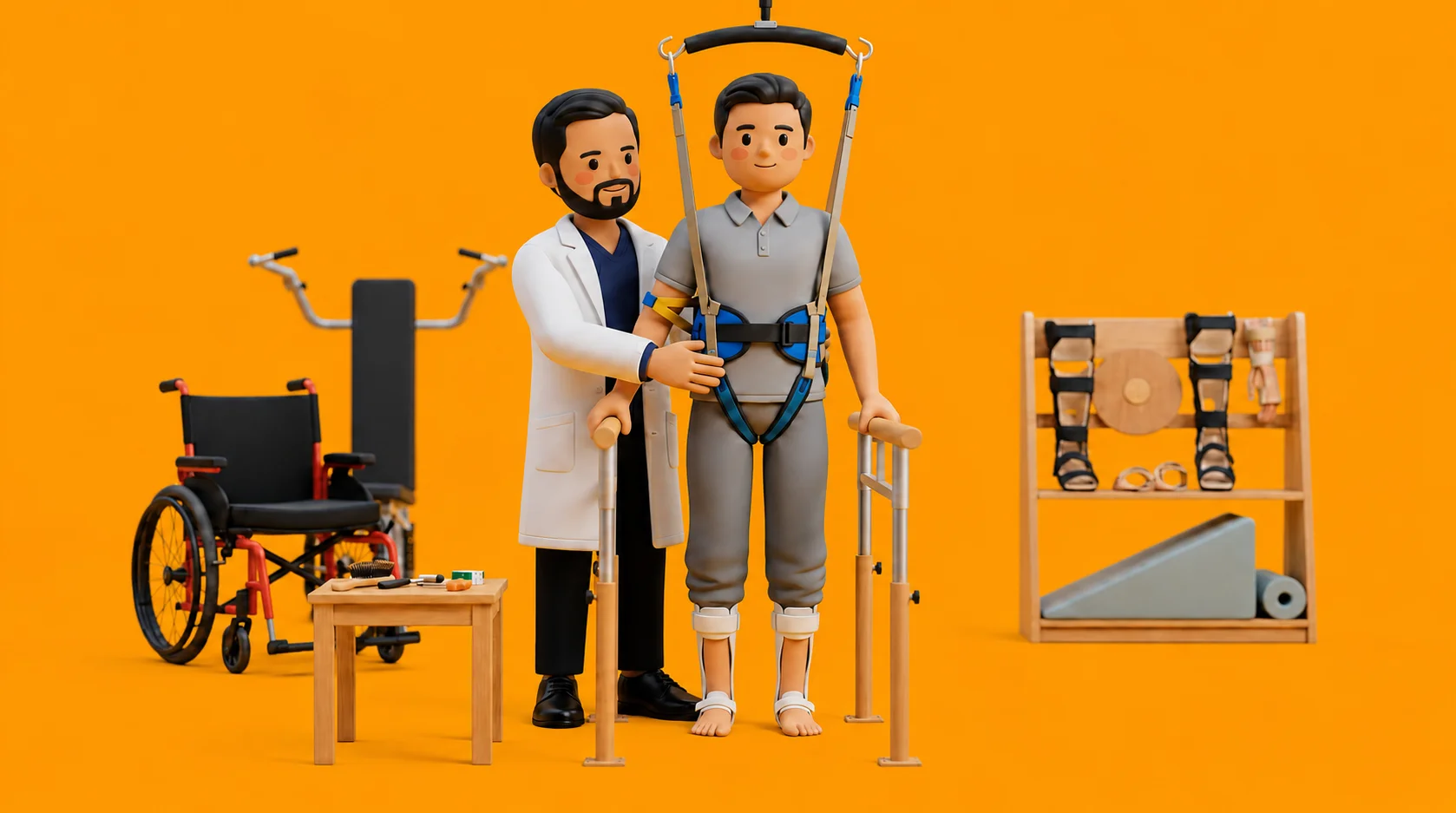
Neurological Physiotherapy
Multiple Sclerosis (MS) is assessed and treated under Neurological physiotherapy (nerves & brain). Stroke recovery, nerve rehabilitation, and neurological movement disorders.
How physiotherapy helps
- A tailored strengthening programme
- Balance and walking practice
- Fatigue management and energy conservation
- Managing stiffness and muscle tightness
- Keeping active safely between relapses
Common signs
- Fatigue
- Weakness in the limbs
- Balance and walking difficulty
- Stiffness or muscle tightness
- Numbness or altered sensation
In-clinic vs home visit physiotherapy
| What to compare | In-clinic | Home visit |
|---|---|---|
| Typical fee | ₹300 to ₹1,500 a session. It depends on your city. | ₹400 to ₹2,000 a session. It depends on your city. |
| Exact fee | Set by each physiotherapist and shown on their profile | Set separately for home visits and shown on their profile |
| Best for | Equipment-based rehab and first assessments | Limited mobility, post-surgery, and elderly care |
| Equipment | Full clinic setup | Portable equipment the physiotherapist brings |
| Travel | You travel to the clinic | The physiotherapist comes to you |
| Booking | Pick a clinic slot on search | Filter by home visit on search |
Clinical rehabilitation framework
Evidence-informed clinical progression and starter exercise targets for multiple sclerosis (MS).
Clinical progression criteria & key observations
- Uhthoff phenomenon (temporary symptom worsening with heat/exertion) is not a relapse and resolves with cooling; distinguish it clearly in the note
- Cooling strategies (pre-cooling, fans, cool drinks) let many patients exercise at a normal intensity
Starter exercise targets & evidence-based dosage
When to seek urgent care
Physiotherapy is safe for most people. See a doctor urgently if you have any of these.
- New or worsening neurological symptoms may indicate a relapse and need medical review, separate from normal fatigue
- Sudden loss of vision, severe weakness, or difficulty speaking needs urgent medical care
- New or worsening difficulty swallowing or breathing
- For sudden severe symptoms, seek medical care immediately
Seek urgent medical care first. Physiotherapy comes after, when it is safe.
Frequently asked questions
Is exercise safe with MS?
Can I get physiotherapy for multiple sclerosis at home?
How much does physiotherapy for multiple sclerosis cost in India?
Related conditions & care


Clinical guides & articles for multiple sclerosis (MS)
Evidence-informed articles, recovery timelines, and home care advice from our clinical library.
Find physiotherapists for multiple sclerosis (MS) by city
Verified physiotherapists treat multiple sclerosis (MS) in these cities. Home visit and in-clinic options vary by physiotherapist.
Find a physiotherapist for multiple sclerosis (MS)
Compare physiotherapists by fee, experience, and availability. Clinic visits and home visits across India.
This page is for general education and booking guidance. It does not diagnose your condition or replace medical care.
If your symptoms are severe, sudden, or getting worse, seek urgent medical care first. The same applies with fever, chest pain, breathlessness, fainting, new weakness, loss of bladder or bowel control, or unexplained bleeding.
Always consult a qualified physiotherapist or doctor about your condition.