
Auto-Rickshaw and Commercial Taxi Drivers: Chronic Sacroiliac Joint Shear, Whole-Body Vibration, and Sciatica Prevention
In short
Continuous clutch-hand and pedal twisting coupled with chassis vibration jams the sacroiliac joint in auto drivers; asymmetric pelvic leveling prevents disabling sciatica.
In this guide (4 sections)
The Biomechanics and Vibration Pathophysiology of Auto-Rickshaw Operation
India's three-wheeled auto-rickshaws provide essential urban mobility across every city. However, professional auto-rickshaw drivers spend 12 to 16 hours daily operating in cabin environments characterized by unpadded metal frames, minimal leaf-spring suspension, rear-engine mechanical vibration, and continuous exposure to exhaust particulates.
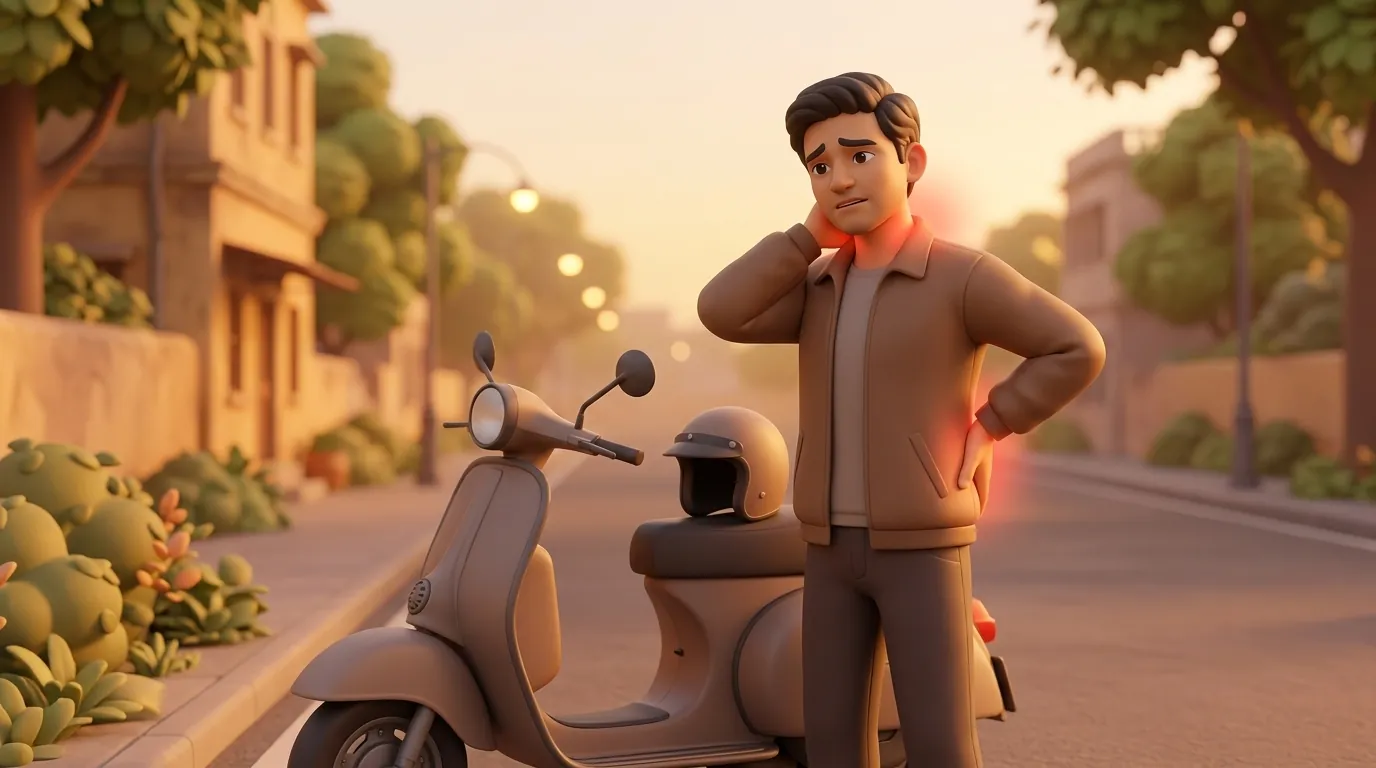
The operational biomechanics create pronounced musculoskeletal asymmetry: the right hand operates the twist throttle and brake lever, the left hand operates the hand-clutch and twist gear-shift, while the right foot repeatedly depresses the foot brake pedal. This asymmetric pelvic torsion (right hip rotated forward and extended, left hip stabilized) causes unilateral Sacroiliac (SI) Joint shear and piriformis spasm, compressing the underlying sciatic nerve.
Occupational Stressors and Sacroiliac Dysfunction Staging
| Occupational Driver Stressor | Biomechanical & Physiological Impact | Clinical Manifestation / Symptom | Targeted Physiotherapy Directive | |
|---|---|---|---|---|
| Asymmetric Clutch & Brake Cycling | Continuous unilateral pelvic rotation and twisting torque | Sacroiliac joint anterior torsion sprain; piriformis spasm | Unilateral pelvic leveling; MET (muscle energy technique) for SI joint | |
| Chassis Vibration (2-Stroke/4-Stroke) | Continuous 10-25 Hz mechanical vibration directly under seat | Accelerated lumbar disc degeneration, microvascular ischemia | High-density polyurethane seat topper; vibration damping pads | |
| Unpadded Metal Bench Seating | Severe ischial tuberosity pressure (> 100 mmHg); lack of lumbar curve | Ischiogluteal bursitis ('weaver's bottom'); coccydynia | Custom contour memory foam seat wedge with coccyx cutout | |
| Inadequate Fluid & Toilet Access | Voluntary chronic dehydration to avoid bathroom stops | Urolithiasis (kidney stones); disc dehydration; muscle cramping | Scheduled fluid hydration; pelvic floor relaxation pacing |
Standardized Clinical Rehabilitation Protocols and Ergonomic Adjustments
- Custom Contoured Seat Wedge and Lumbar Bolster Fabrication: Replace worn, saggy foam bench seats with a firm, high-density polyurethane seat wedge with a 15-degree anterior slope and a rear coccyx cutout; add a cylindrical lumbar roll behind L3-L5 to restore natural lordosis during long driving shifts.
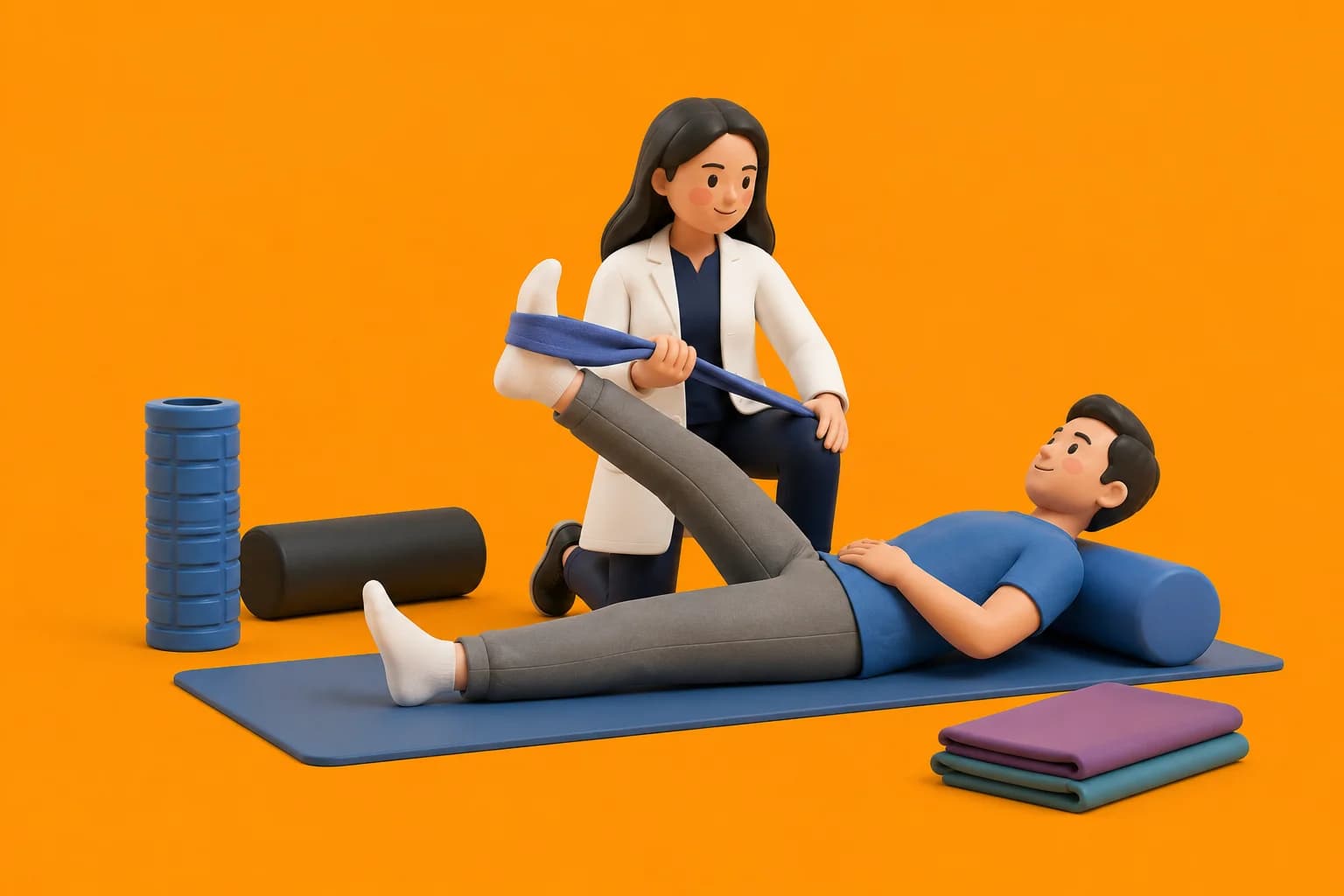
- Sacroiliac Muscle Energy Technique (MET) and Pelvic Realignment: Instruct the driver in self-administered pelvic alignment: lie supine, hold one knee to the chest while pressing the other leg down against resistance to reset rotated iliosacral bones; repeat 5 times before and after driving shifts.
- Standing Hip Flexor (Psoas) and Gluteal Stretches During CNG Refueling: Utilize mandatory 20-to-30-minute CNG fueling station queues for active standing rehabilitation: perform standing backward lunges to stretch tight hip flexors and active pelvic circles to mobilize jammed lumbar facet joints.
Frequently Asked Questions
Why do auto-rickshaw drivers get severe pain shooting down the right leg (sciatica)?
Driving an auto requires you to constantly press the foot brake with your right foot while twisting your body slightly. This uneven posture twists your pelvic joint and causes the deep buttock muscle (piriformis) to cramp down tightly on your sciatic nerve, sending shooting pain down your right leg.
How can I fix the hard, bumpy seat in my auto to protect my spine?
Factory auto seats quickly sag and bottom out onto hard metal. Placing a firm 2-to-3-inch orthopedic seat cushion with an arch support roll behind your lower back absorbs road vibrations and stops your spine from taking the beating.
What is the best exercise an auto driver can do while waiting in CNG lines?
Standing up and stretching your hips backward! After hours of sitting curled forward, stepping one leg backward into a gentle lunge opens up tight hip muscles, pumps fresh blood into your legs, and relaxes tight back muscles.
Related condition guides

Related recovery guides & articles
BookPhysio.in Editorial Team
The BookPhysio.in editorial team writes and maintains this content, checking it against reliable clinical sources. Content follows our medical review policy: general information only, and no page claims a clinical review until a named registered physiotherapist has signed it off.
Read our medical review policy