
End-of-Life Palliative Chest Clearing & Breathing Comfort: Guide
In short
End-of-life respiratory distress causes intense family distress; gentle positioning, fan therapy, and non-invasive secretion management ensure peaceful breathing comfort.
In this guide (2 sections)
Palliative Respiratory Care: Shifting from Aggressive Clearance to Pure Comfort
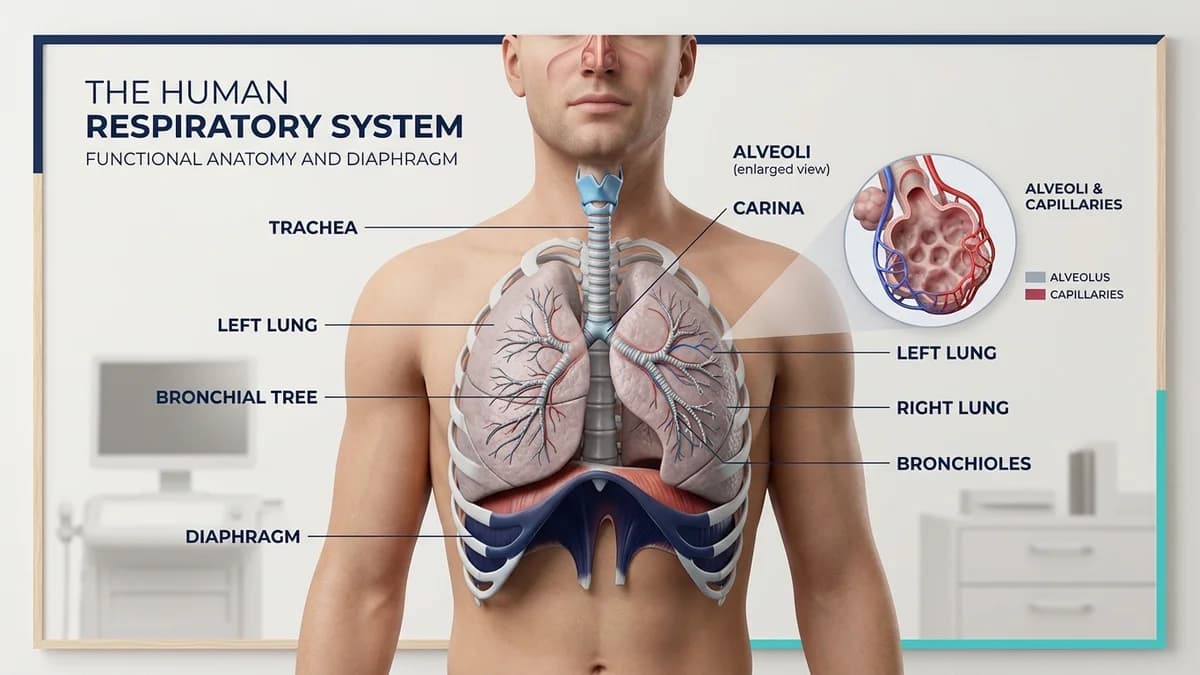
In the terminal phases of life, respiratory symptoms - severe dyspnoea (air hunger) and noisy respiratory secretions ('the death rattle') - are among the most distressing manifestations for both the dying patient and their grieving family members.
In end-of-life care, the clinical goals of chest physiotherapy fundamentally transform. Aggressive techniques - such as vigorous chest percussion, mechanical cough assist, or deep endotracheal suctioning - are strictly inappropriate, causing pain, mucosal trauma, and severe agitation. Palliative chest care focuses exclusively on positioning, fan therapy, and peaceful breathing comfort.
Palliative Symptom Management Protocols: Secretions and Breathlessness
| Palliative Symptom | Pathophysiological Mechanism | Non-Pharmacological Physiotherapy Intervention | Pharmacological Adjunct (Physician Directed) | |
|---|---|---|---|---|
| Terminal Secretions ('Death Rattle') | Loss of swallowing reflex allowing saliva and bronchial secretions to pool in hypopharynx | Position patient in semi-prone or 30-degree lateral tilt; elevate head 30 degrees | Antimuscarinic agents (hyoscine butylbromide, glycopyrronium) to dry secretions | |
| Severe Dyspnoea (Air Hunger) | Mismatch between central respiratory motor drive and pulmonary sensory feedback | High Fowler's sitting (supported by pillows); forward-lean posture; cool facial airflow | Low-dose subcutaneous/oral opioids (morphine) to reduce respiratory drive sensation | |
| Respiratory Panic / Tachypnoea | Sympathetic hyper-arousal and fear of suffocation | Hand-held fan directed across trigeminal nerve distribution; calm pacing touch | Sublingual low-dose benzodiazepine (lorazepam) for acute panic episodes | |
| Chest Wall Rigidity / Pain | Intercostal muscle splinting and labored breathing | Gentle passive scapular mobilisation, warm moist heat packs to thoracic cage | Topical or systemic analgesics titrated for pain relief |
The Evidence-Based Trigeminal Fan Therapy Protocol
- The Trigeminal Airflow Mechanism: A simple, battery-operated hand-held fan blowing cool air across the nasal and oral area (the V2/V3 sensory branches of the trigeminal nerve) stimulates mechanoreceptors that directly suppress dyspnoea perception in the brainstem, providing relief equivalent to low-dose opioids.
- Semi-Lateral Drainage Positioning: Position the dying patient in a gentle 30-degree lateral tilt with their head turned slightly downward to allow pooled oral saliva to drain outward onto a soft towel via gravity, eliminating noisy gurgling.
- Absolute Prohibition of Deep Oropharyngeal Suctioning: Inserting suction catheters into the throat of an unconscious palliative patient triggers violent gagging, bronchospasms, and cardiac arrhythmias without reducing secretions. Only gentle suctioning of the front of the mouth is permitted.
- Comforting Palliative Touch: Place a warm, resting hand on the patient's sternum or shoulder while speaking in a calm, soothing voice. Hearing is the last sensory modality to fade, and steady touch reduces respiratory tachypnoea.
- Counseling Family on the 'Death Rattle': Reassure distressed family members that noisy breathing is caused by passive air movement vibrating over saliva in an unconscious patient who is not choking, suffocating, or experiencing physical pain.
Frequently Asked Questions About Palliative Breathing Comfort
Is noisy breathing ('death rattle') causing pain or choking for my dying loved one?
No. The patient is deeply comatose or semi-conscious and has lost awareness of their hypopharynx. They are not choking or in pain. The sound is simply air passing over a small amount of pooled saliva. Gently turning their head to the side and placing a towel under their cheek helps secretions drain comfortably.
How does a simple electric fan help someone who is having trouble breathing?
Cool air blowing gently across the face stimulates sensory receptors on the trigeminal nerve. These nerve signals travel directly to the respiratory centers in the brain, tricking the brain into perceiving that the lungs are getting plenty of fresh air, which significantly reduces the sensation of air hunger.
Related condition guides


Related recovery guides & articles
BookPhysio.in Editorial Team
The BookPhysio.in editorial team writes and maintains this content, checking it against reliable clinical sources. Content follows our medical review policy: general information only, and no page claims a clinical review until a named registered physiotherapist has signed it off.
Read our medical review policy