
Phase 1 to Phase 3 Cardiac Rehabilitation: Metabolic Equivalents (METs) and Progression
In short
Cardiac rehabilitation reduces all-cause cardiovascular mortality by 26 percent. Learn Phase 1 inpatient, Phase 2 outpatient, and Phase 3 maintenance protocols and MET targets.

In this guide (5 sections)
The Lifesaving Role of Structured Cardiac Rehabilitation
Cardiovascular diseases account for over 28 percent of all deaths in India, with myocardial infarction (MI) striking South Asians nearly a decade earlier than Western populations.
Structured Cardiac Rehabilitation (CR) is a Class 1A guideline-recommended intervention following myocardial infarction, percutaneous coronary intervention (PCI/stenting), CABG, valve replacement, or stable heart failure.
Participation in formal cardiac rehab reduces cardiovascular mortality by 26 percent, decreases hospital readmission by 31 percent, and substantially improves functional exercise capacity and psychological well-being.
The Three Phases of Cardiac Rehabilitation
Cardiac recovery is organized into three distinct progressive stages, advancing from acute inpatient stabilization to lifelong community maintenance.
| Rehabilitation Phase | Clinical Setting | Primary Focus & Target METs | Permissible Activities & Progression | |
|---|---|---|---|---|
| Phase 1 (Inpatient) | Coronary Care Unit / Ward (Day 1 to 5) | Early mobilization; prevent DVT/pneumonia; 1.5 to 3.0 METs | Bedside sitting, active ankle pumps, walking to ward washroom, hallway pacing. | |
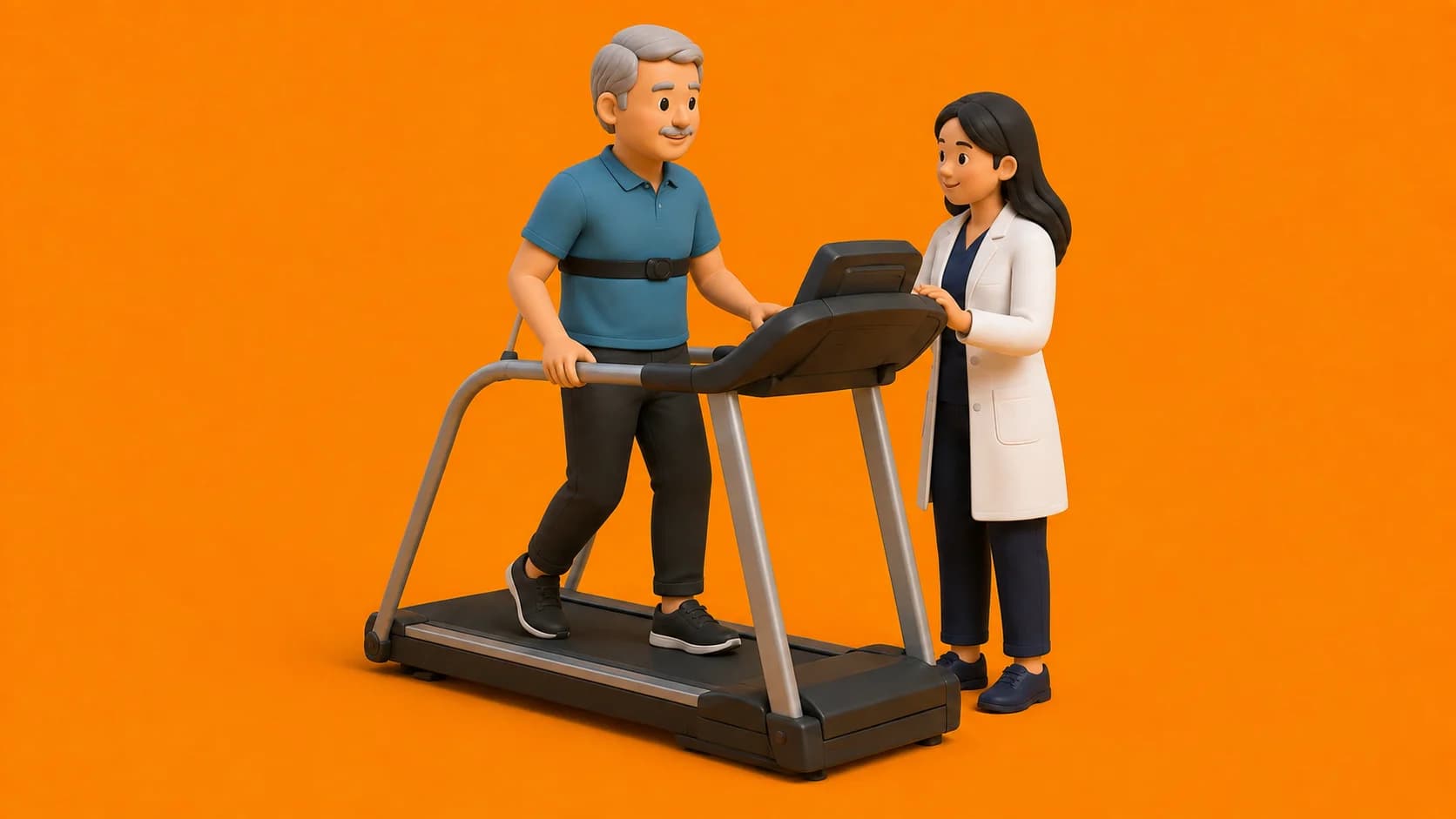
| Phase 2 (Outpatient) | Specialized Clinic / Home (Weeks 2 to 12) | Telemetry/monitored aerobic conditioning; 3.0 to 6.0 METs | Treadmill walking, cycle ergometry, light resistance bands, risk factor education. | |
| Phase 3 (Maintenance) | Community / Home (Month 3 onwards) | Lifelong physical fitness & secondary prevention; > 6.0 METs | Brisk walking, lap swimming, circuit resistance training, community sports. |
Understanding Metabolic Equivalents (METs)
One Metabolic Equivalent of Task (1 MET) represents the resting oxygen consumption of an average adult at rest: approximately 3.5 mL of oxygen per kilogram of body weight per minute (3.5 mL O2/kg/min).
Prescribing activity by MET levels ensures that myocardial oxygen demand does not outstrip coronary blood supply.
- 1.5 to 2.0 METs (Low Inpatient): Eating, sitting on chair, shaving, brushing teeth, slow walking at 1.5 km/h across the hospital room.
- 2.5 to 3.5 METs (Discharge Readiness): Showering seated, preparing light snacks, level walking at 3 km/h, climbing one flight of stairs slowly.
- 4.0 to 5.5 METs (Phase 2 Target): Brisk walking at 5 km/h, moderate stationary cycling, sweeping or mopping floors, carrying light groceries.
- 6.0+ METs (Phase 3 Target): Jogging at 8 km/h, swimming laps, playing badminton, vigorous outdoor cycling.
Vital Sign Safety Limits and Target Heart Rate
In Phase 1 and 2, target heart rate is calculated using the Heart Rate Reserve (Karvonen method) or kept within 20 to 30 beats above resting heart rate (or resting HR + 20 bpm for post-CABG; resting HR + 30 bpm post-PCI).
Exercise must be paused if systolic blood pressure drops by > 10 mmHg with increasing workload, SBP exceeds 210 mmHg, diastolic BP exceeds 110 mmHg, or symptoms of angina, dizziness, or multifocal PVCs occur.
Frequently Asked Questions
How soon after coronary stenting (PCI) can cardiac rehab begin?
Phase 1 walking begins within 12 to 24 hours after femoral or radial arterial sheath removal. Monitored Phase 2 outpatient exercise typically commences within 7 to 14 days post-discharge.
How do beta-blockers affect heart rate during exercise?
Beta-blockers (such as metoprolol, bisoprolol) blunt normal heart rate acceleration during exertion. Therefore, physiotherapists use the Borg Rating of Perceived Exertion (RPE 11 to 14, 'fairly light' to 'somewhat hard') rather than target heart rate alone.
Can heart patients safely lift weights?
Yes. Low-to-moderate resistance training (1 to 2 sets of 10 to 15 reps at 40 to 60% 1RM) is safe and beneficial in clinically stable cardiac patients, improving muscular endurance without excessive hemodynamic strain, provided Valsalva maneuvers are avoided.
Related condition guides

Related recovery guides & articles
BookPhysio.in Editorial Team
The BookPhysio.in editorial team writes and maintains this content, checking it against reliable clinical sources. Content follows our medical review policy: general information only, and no page claims a clinical review until a named registered physiotherapist has signed it off.
Read our medical review policy