
Pudendal Neuralgia: Nantes Criteria, Alcock Canal Entrapment, and Pelvic Floor Desensitization
In short
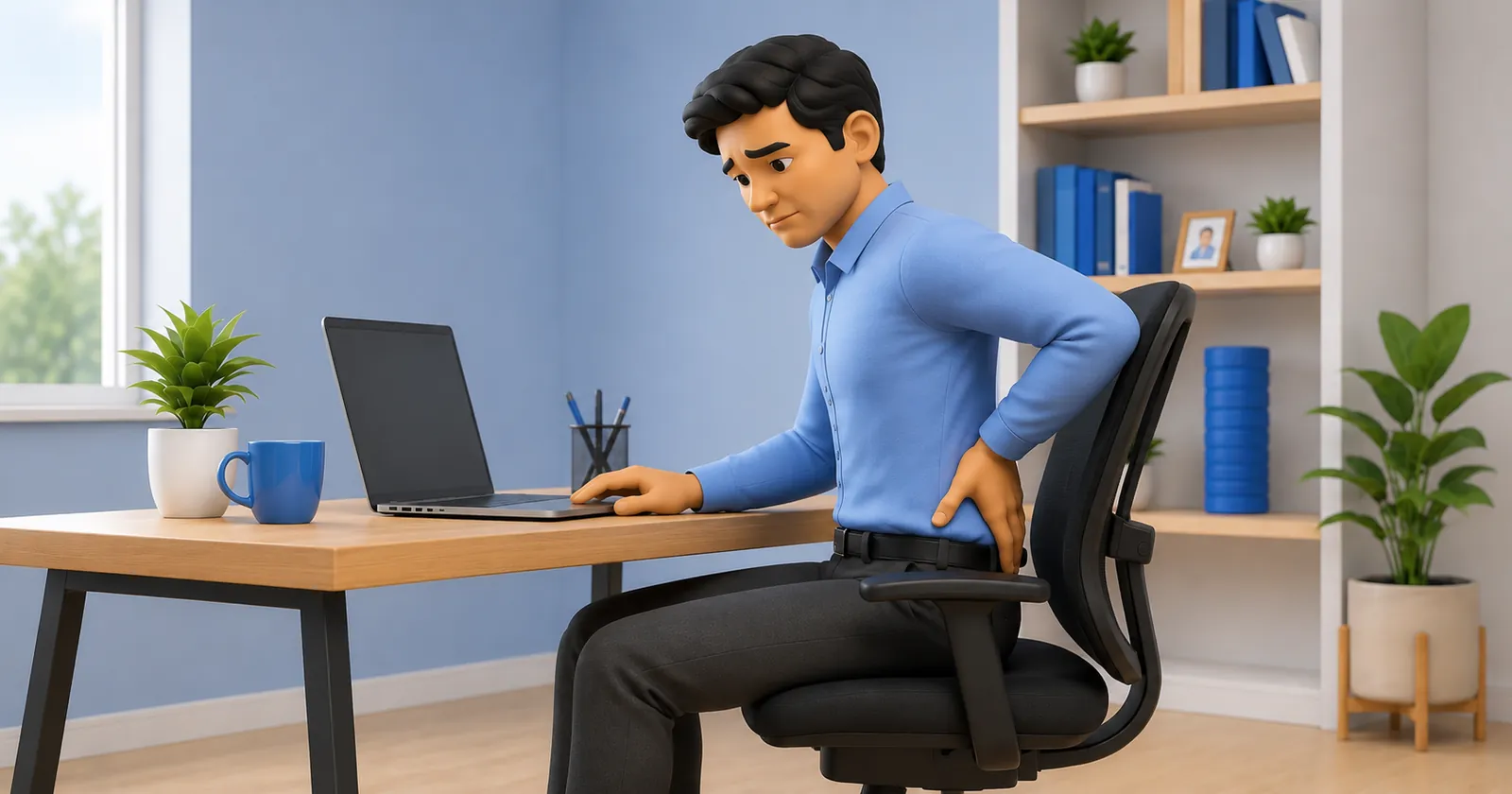
Severe perineal and pelvic burning pain during sitting points to pudendal nerve entrapment; applying the Nantes criteria guides safe pelvic floor desensitization.
In this guide (4 sections)
The Anatomy and Pathophysiology of the Pudendal Nerve
The pudendal nerve originates from the ventral rami of the second, third, and fourth sacral spinal nerves (S2, S3, S4). It carries mixed motor, sensory, and autonomic fibers providing essential sensory innervation to the external genitalia, perineum, and perianal region, as well as motor control to the external urethral and anal sphincters and deep pelvic floor musculature (levator ani).
The nerve traverses a complex anatomical course: it exits the greater sciatic foramen inferior to the piriformis, loops around the ischial spine and sacrospinous ligament, re-enters the pelvis through the lesser sciatic foramen, and enters a fascial tunnel formed by the obturator internus fascia known as Alcock's canal (the pudendal canal). Entrapment occurs between the sacrospinous and sacrotuberous ligaments, within Alcock's canal, or as terminal branches pierce the perineal membrane.
The Nantes Diagnostic Criteria for Pudendal Neuralgia
| Nantes Diagnostic Criterion | Clinical Manifestation & Patient Presentation | Exclusionary Criteria | Rehabilitation & Ergonomic Directive | |
|---|---|---|---|---|
| 1. Pain in Anatomical Territory | Pain located in the perineum, vulva/scrotum, and/or perianal region | Pain strictly limited to the coccyx or gluteus excludes PN | Target obturator internus and levator ani myofascial restrictions | |
| 2. Pain Aggravated by Sitting | Severe burning or electric shock sensation when seated on firm surfaces | Pain is not positional or unchanged by sitting excludes PN | MANDATORY OFFLOADING: U-shaped cutout seating cushions | |
| 3. Absence of Night Pain Awakening | Pain subsides when lying flat or standing; does not wake patient from deep sleep | Severe nocturnal pain awakening indicates alternative neuropathic/visceral source | Supine hip flexion/external rotation rest positioning | |
| 4. No Objective Sensory Loss | Pinprick and light touch sensation intact; severe hyperalgesia/allodynia | Profound sensory numbness or perineal anesthesia excludes simple entrapment | Avoid aggressive neural stretches; prioritize sensory desensitization | |
| 5. Relief with Anesthetic Block | > 50% temporary abolition of pain following diagnostic lidocaine block at ischial spine | Failure of block suggests central sensitization or non-neural source | Diagnostic confirmation; supports conservative physical down-training |
Standardized Clinical Rehabilitation Protocols and Pelvic Floor Down-Training
- Internal Pelvic Floor Myofascial Release (Obturator Internus / Levator Ani): Perform gentle, intra-vaginal or intra-rectal myofascial release along the lateral pelvic sidewall; apply sustained submaximal pressure (Grade I/II) to hypertonic trigger points along the obturator internus muscle to decompress Alcock's canal.
- Diaphragmatic Drop Breathing for Pelvic Floor Lengthening: Train diaphragmatic inhalation where the descent of the respiratory diaphragm is coordinated with passive, eccentric expansion and lowering of the pelvic floor musculature ('reverse Kegel'); strictly prohibit active Kegel contractions.
- Pudendal Nerve Neural Container Unloading and Ergonomics: Eliminate prolonged sitting on hard surfaces; prescribe specialized coccyx/perineal cutout cushions; stretch the piriformis, obturator internus, and adductor magnus; prohibit bicycling and narrow-saddle sports.
Frequently Asked Questions
Why does sitting down make my private parts burn like fire, but lying down makes it stop?
When you sit down, your pelvic bones press directly onto the pudendal nerve where it runs through a narrow canal (Alcock's canal). Lying down immediately takes away your body weight, relieving pressure on the nerve so the burning subsides.
Should I be doing Kegel exercises to strengthen my pelvic floor for this pain?
No! Doing Kegels will make pudendal neuralgia worse. Your pelvic floor muscles are already in a state of tight, protective spasm that is clamping down on the nerve. You need exercises that stretch, relax, and drop your pelvic floor, not tightening contractions.
Can cycling cause pudendal nerve damage?
Yes. Sitting on a narrow bicycle saddle concentrates your full body weight right against the pudendal canal, leading to what is commonly called 'cyclist's syndrome'. Using a noseless saddle or taking a break from cycling allows the nerve to heal.
Related condition guides


Related recovery guides & articles
BookPhysio.in Editorial Team
The BookPhysio.in editorial team writes and maintains this content, checking it against reliable clinical sources. Content follows our medical review policy: general information only, and no page claims a clinical review until a named registered physiotherapist has signed it off.
Read our medical review policy