
Direct Physiotherapy Access for Vertigo Under NCAHP Act 2021
In short
The NCAHP Act 2021 legally recognizes physiotherapists as independent primary contact practitioners. Discover how direct access accelerates vertigo recovery.
In this guide (6 sections)
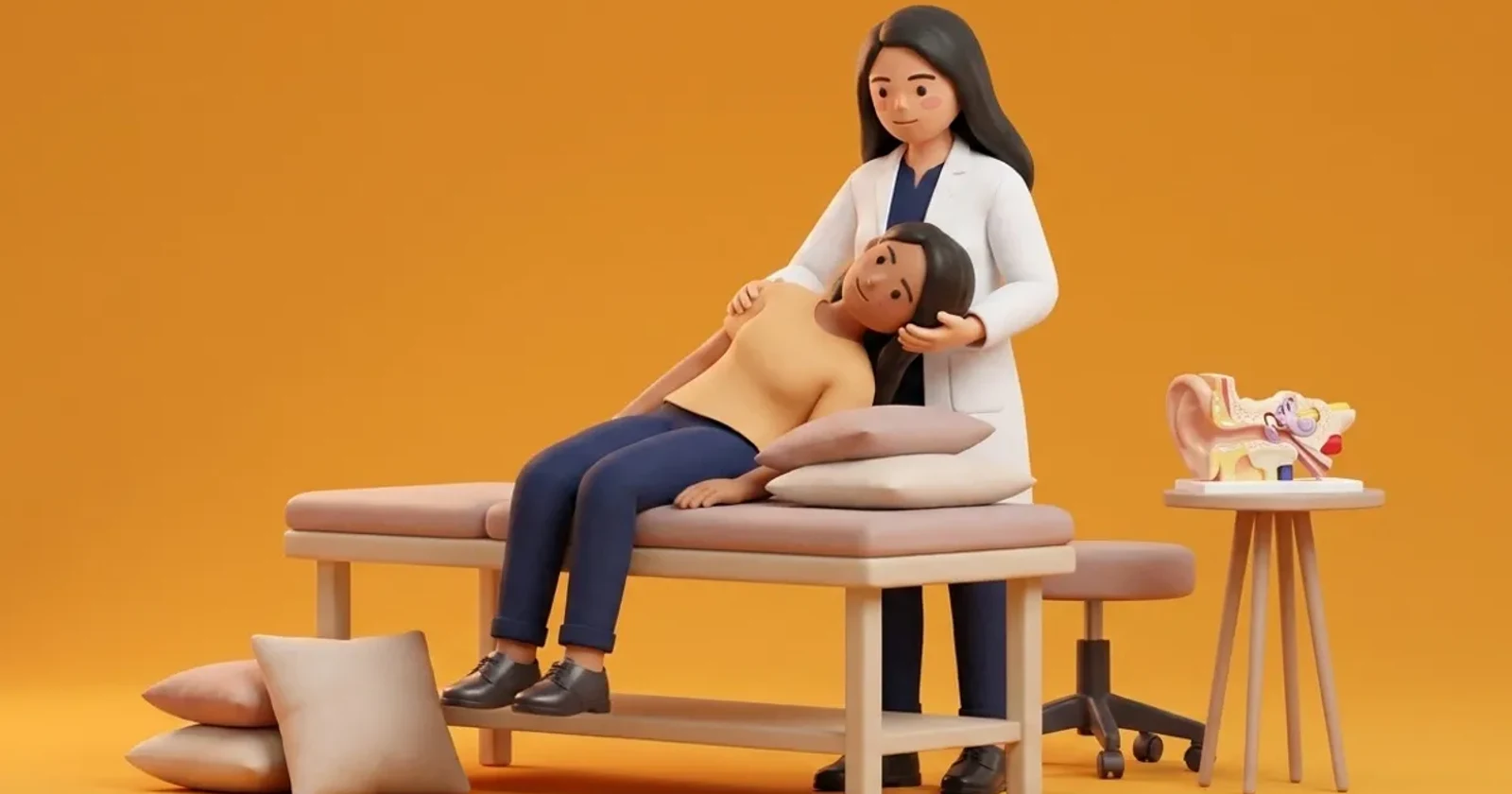
Historically, patients suffering from acute vertigo and disequilibrium in India faced a fragmented, bureaucratic healthcare journey: enduring long hospital waitlists, receiving unneeded brain imaging, and waiting weeks for formal doctor referrals before accessing evidence-based canalith repositioning. The enactment of the National Commission for Allied and Healthcare Professions (NCAHP) Act 2021 transformed this paradigm. By statutory law, qualified physiotherapists holding recognized qualifications are established as autonomous, first-contact primary healthcare professionals across India, legally empowered to assess, diagnose, and treat musculoskeletal and vestibular balance conditions without requiring a prior medical prescription.
Indian Healthcare Delays and Unnecessary Diagnostic Costs
In traditional Indian clinical pathways, an individual experiencing early morning spinning from BPPV is frequently rushed to emergency nursing homes. Due to gatekeeping practices, patients often undergo ₹8,000 to ₹15,000 in brain CT and MRI scans, and are prescribed long courses of sedating medications that delay natural compensation. Under direct access, patients can bypass these costly delays, consulting a registered vestibular physiotherapist on day one to receive immediate bedside repositioning maneuvers that resolve BPPV in a single visit.
Statutory Autonomy, Triage Competence, and Primary Care Responsibility
Direct access places profound clinical responsibility on the treating physiotherapist. The NCAHP Act 2021 establishes that autonomous practice requires rigorous differential screening competence. A registered vestibular physiotherapist must possess the diagnostic expertise to identify red flag pathologies, conduct the three-step HINTS examination to rule out cerebellar stroke, screen for cervical arterial dissection, and refer patients to emergency medical departments when secondary central pathologies are detected.
Autonomous primary access requires absolute clinical vigilance. If a patient presents with sudden vertigo accompanied by acute neurological deficits, sudden sensorineural hearing loss, Horner syndrome, or failure of fixation suppression, immediate medical escalation to an emergency department is mandatory.
The Direct Access Vestibular Clinical Pathway
Under the direct access model, a patient booking an appointment on BookPhysio.in receives a comprehensive primary evaluation: neuro-otological history, oculomotor tracking assessment with video-oculography, positional provocation testing (Dix-Hallpike and supine roll tests), and cervical spine screening. If benign canalithiasis is confirmed, repositioning is performed immediately, saving time, money, and unnecessary distress.
Autonomous Post-Assessment Equilibrium Grounding Protocol
Objective: Reinforce postural stability and functional calm following direct primary consultation
- 1Sit comfortably in a supportive chair with feet placed shoulder-width apart on the floor.
- 2Place your palms flat on your knees, feeling the secure contact with your legs.
- 3Fix your gaze on a stable wall clock or painting at eye level, 2 meters away.
- 4Take 4 deep, rhythmic diaphragmatic breaths, allowing your heart rate to settle.
- 5Stand up slowly and steadily, pause for 5 seconds to verify clear balance, and take 10 confident steps forward.
Direct Access vs Traditional Referral Pathways in India
| Healthcare Parameter | Direct Access Model (NCAHP Act 2021) | Traditional Referral-Dependent Model |
|---|---|---|
| Time to First Repositioning | Same-day or within 24 hours of symptom onset | Average 7 to 21 days delay navigating multiple referrals |
| Unnecessary Imaging Costs | Near zero; clinical positional testing dictates treatment | High; ₹8,000 to ₹15,000 in unnecessary brain scans |
| Medication Exposure | Minimal; immediate physical resolution of canalithiasis | Prolonged sedatives (meclizine, cinnarizine) causing brain fog |
| Legal Recognition | Statutory primary autonomy under NCAHP Act 2021 | Historical subordinate model replaced by parliamentary law |
Red Flags Demanding Immediate Medical Escalation
Immediate hospital transfer is required if primary direct evaluation reveals non-fatiguing downbeating nystagmus, direction-changing horizontal nystagmus, acute visual field blindness, or hemiparesis.
Frequently Asked Questions
Is it completely legal in India to consult a physiotherapist without a doctor prescription?
Yes, absolutely. Under the National Commission for Allied and Healthcare Professions (NCAHP) Act passed by the Indian Parliament in 2021, registered physiotherapists are recognized independent primary healthcare professionals legally empowered to evaluate, diagnose, and treat patients directly.
How does BookPhysio.in implement direct access and transparent pricing?
BookPhysio.in is built entirely around direct patient access under the NCAHP Act 2021. You book directly with verified clinicians across India and pay transparently per session, with zero advance package commitments, hidden subscription charges, or platform commission markups.
Related condition guides


Related recovery guides & articles
BookPhysio.in Editorial Team
The BookPhysio.in editorial team writes and maintains this content, checking it against reliable clinical sources. Content follows our medical review policy: general information only, and no page claims a clinical review until a named registered physiotherapist has signed it off.
Read our medical review policy