
Post-Esophagectomy Rehabilitation: Pulmonary Clearance, Jejunostomy Feeding, and Anti-Reflux Ergonomics
In short
Post-esophagectomy recovery demands rigorous pulmonary toilet, strict 30-degree bed elevation to prevent fatal aspiration, and structured early ambulation.

In this guide (4 sections)
Surgical Anatomy of the Gastric Pull-Up and Loss of the Lower Esophageal Sphincter
Surgical resection for esophageal carcinoma (Ivor Lewis subtotal esophagectomy or McKeown tri-incisional procedure) represents one of the most physiologically demanding surgical interventions in oncology, involving both laparotomy (or laparoscopy) and right thoracotomy (or thoracoscopy). The diseased esophagus is resected, and the stomach is mobilized, tubulated into a narrow gastric conduit, and pulled upward into the posterior mediastinum or neck (gastric pull-up) to restore alimentary continuity.
This reconstruction permanently alters upper gastrointestinal biomechanics. The lower esophageal sphincter (LES) is completely excised, the stomach loses its natural reservoir volume and receptive relaxation, and bilateral vagal denervation abolishes normal gastric motility. With no mechanical valve separating the intrathoracic stomach from the pharynx, patients are at continuous, lifelong risk of massive, life-threatening nocturnal pulmonary aspiration of gastric acid and digestive enzymes.
Standardized Clinical Outcome Measures and Postoperative Milestones
| Clinical Assessment Domain | Standard Measurement Method | Target Postoperative Milestone | Critical Warning / Decompensation Marker | |
|---|---|---|---|---|
| Permanent Head-of-Bed Elevation | Continuous measurement using hospital bed angle indicators | Strict continuous head elevation >= 30 to 45 degrees | LYING FLAT IS STRICTLY CONTRAINDICATED; fatal nocturnal aspiration risk | |
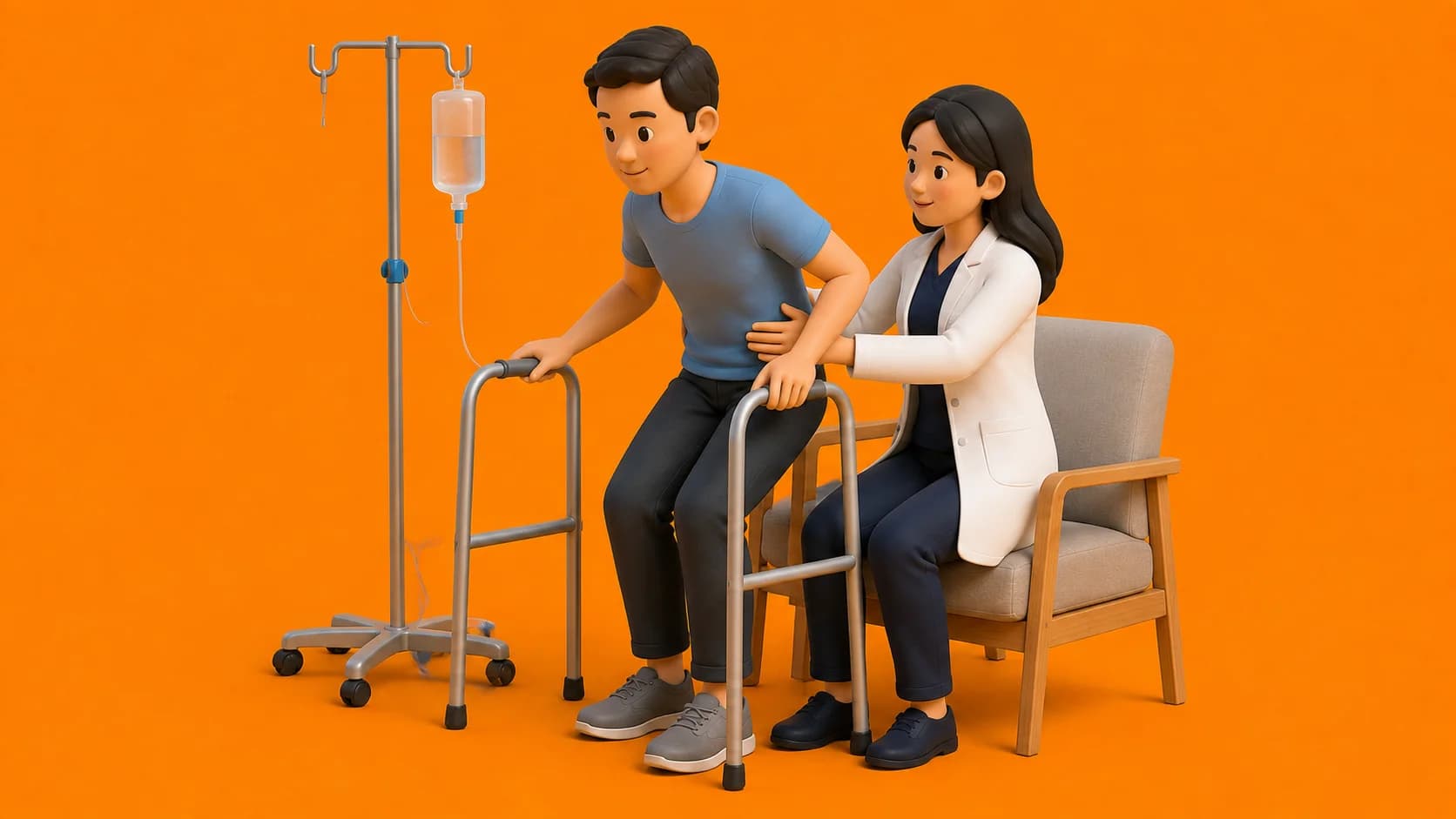
| Enteral Jejunostomy (J-Tube) Mobility | Inspection of abdominal J-tube anchoring and infusion pumps | Ambulation with portable enteral infusion pump pole | Keep feeding tube securely taped; avoid tension during bed transfers | |
| Early Day-1 Out-of-Bed Ambulation | Assisted standing and room walking on Postoperative Day 1 | Walking > 100 meters daily by Postoperative Day 3 | Early walking dramatically cuts pulmonary pneumonia rates by over 50% | |
| Incentive Spirometry Volume | Volume-oriented spirometer measuring deep inspiratory capacity | Achieve >= 1,000 to 1,500 mL by Postoperative Day 2 | Incentive volume < 500 mL signals impending basal lung atelectasis | |
| Anastomotic Leak Surveillance | Inspection of chest drain fluid color; temperature; resting heart rate | Clear serous drain output; normal resting heart rate < 100 bpm | Turbid/bilious drain fluid, fever, sudden tachycardia = ANASTOMOTIC LEAK |
Standardized Clinical Rehabilitation Protocols and Reflux Protection
- The Lifelong Rule of Continuous 30-to-45-Degree Head Elevation: Educate the patient and family that they must never lie flat again, even for a brief nap; because the anti-reflux valve (LES) was surgically removed, gravity is the only mechanism preventing stomach contents from pouring into the lungs; sleep permanently on an angled foam wedge or hospital bed elevated at least 30 to 45 degrees.
- Aggressive Post-Thoracotomy Pulmonary Clearance (ACBT & Splinted Coughing): Perform Active Cycle of Breathing Techniques (ACBT) hourly; the combined thoracic and abdominal incisions cause severe splinting and shallow breathing; holding a pillow firmly against both chest and abdominal wounds enables deep, effective clearance of pulmonary secretions.
- Pacing Jejunostomy Tube Infusions During Mobilization: Coordinate walking drills with enteral feeding schedules; pause continuous jejunostomy feedings during vigorous physiotherapy if the patient experiences nausea, fullness, or cramping; ensure the J-tube line is slack and anchored to avoid accidental dislodgement.
Frequently Asked Questions
Why can I never lie completely flat in bed again after esophageal cancer surgery?
During your surgery, the muscular valve at the bottom of your food pipe that keeps acid inside your stomach was removed, and your stomach was pulled up into your chest. Without that natural valve, lying flat lets stomach fluids flow straight up into your throat and lungs like water from a tipped bottle, causing life-threatening pneumonia. Sleeping on a wedge keeps you safe.
Why is walking on the very first day after surgery so strongly emphasized?
Having both chest and stomach incisions makes deep breathing painful, which can cause your lungs to quickly collapse and get infected. Walking upright immediately expands your lungs, stimulates sluggish bowel movements, and cuts your risk of pneumonia in half.
What is the small feeding tube in my lower belly (J-tube) and can I walk with it?
A jejunostomy tube (J-tube) puts liquid nutrition directly into your small intestine while your newly rebuilt food pipe heals. Yes, you can walk! The tube is taped securely to your skin, and you can easily walk down the hospital corridor pushing your rolling IV pole.
Related condition guides

Related recovery guides & articles
BookPhysio.in Editorial Team
The BookPhysio.in editorial team writes and maintains this content, checking it against reliable clinical sources. Content follows our medical review policy: general information only, and no page claims a clinical review until a named registered physiotherapist has signed it off.
Read our medical review policy