
Vestibular Migraine Triggers: Weather, Spices & Stress in India
In short
Vestibular migraine attacks are sparked by overlapping environmental, dietary, and autonomic triggers. Learn how to manage Indian climate and lifestyle factors.
In this guide (6 sections)
Vestibular migraine attacks rarely occur in isolation; they are typically triggered when multiple sub-threshold physiological stressors accumulate to exceed a patients individual neurovascular threshold. This concept, known as the migraine trigger bucket model, illustrates that while an individual stressor such as poor sleep may not spark dizziness on its own, its combination with atmospheric barometric shifts, dietary vasoactive amines, and dehydration will trigger central trigeminovascular firing. In the Indian subcontinent, unique environmental, dietary, and cultural factors significantly influence this trigger threshold.
Monsoon Humidity, Fasting Rituals, and Spice Dynamics
Indian domestic life presents distinct trigger challenges. Seasonal monsoon transitions bring rapid barometric pressure drops and high atmospheric humidity, which frequently spark clusters of vestibular migraine attacks. Furthermore, traditional religious fasting practices (vrat or upvas), which involve prolonged meal skipping followed by rich feasts, induce severe reactive hypoglycemia that destabilizes brainstem energy metabolism. In the kitchen, pungent aromas from frying dried chilies, asafoetida (hing), and mustard seeds during tadka preparation can trigger acute olfactory-induced migrainous dizziness.
Trigeminovascular Sensitization and Neurogenic Inflammation
The biological mechanism of trigger-induced vestibular migraine involves the release of calcitonin gene-related peptide (CGRP), substance P, and neurokinin A from activated trigeminal nerve endings. These neuropeptides cause mast cell degranulation, dural vasodilation, and neurogenic plasma extravasation. Sensory signals are transmitted to the trigeminocervical complex and rostral brainstem, where cross-talk with the vestibular nuclei produces sensations of motion intolerance, rocking, and spatial tilting even in the absence of inner ear pathology.
Do not place patients on overly restrictive elimination diets that cause nutritional deficits. Use a structured 4-week symptom and diet diary to identify true individual triggers. Eliminate only confirmed trigger items while maintaining balanced hydration and regular meal timing.
Integrative Lifestyle Management and Desensitization
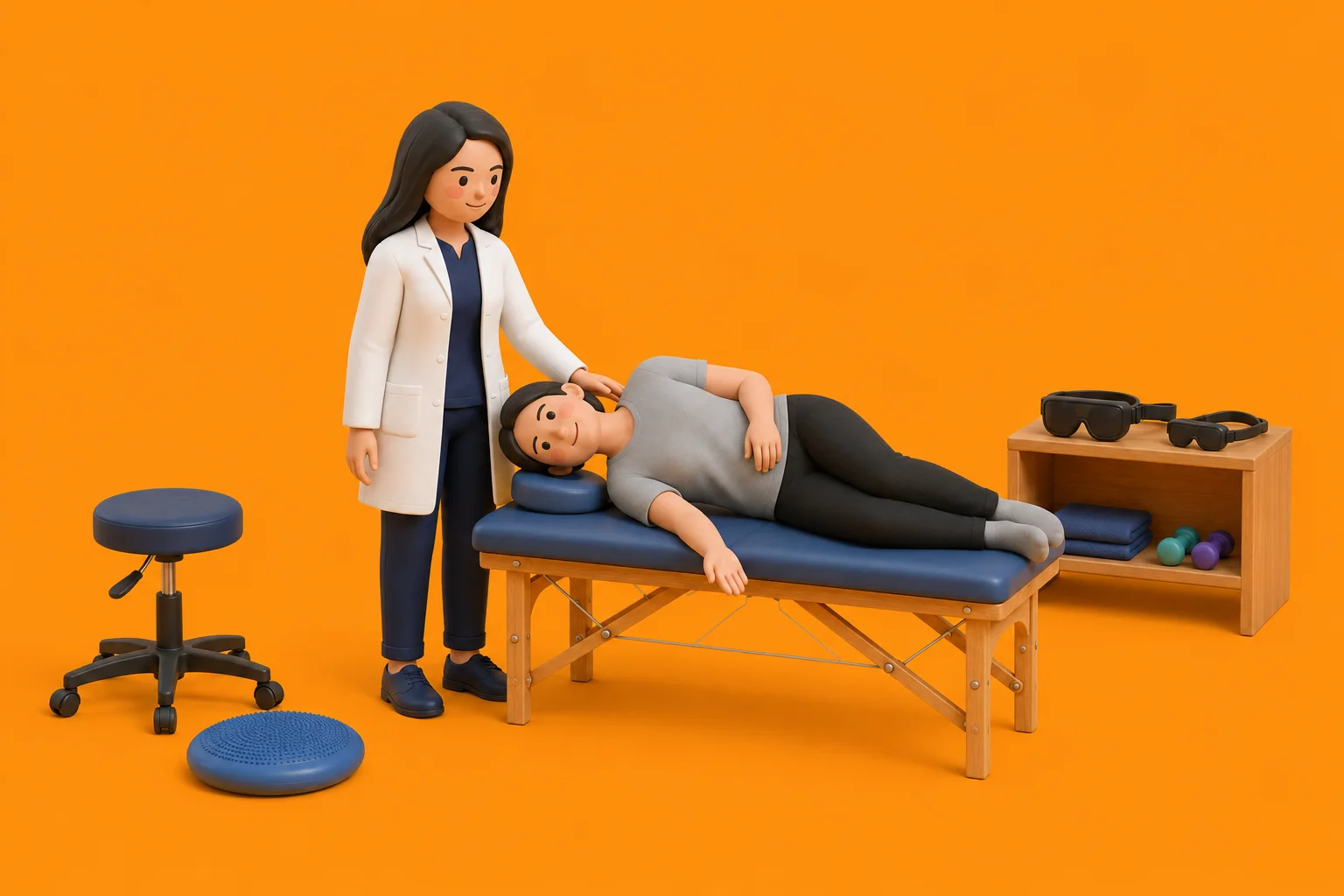
Successful management combines pharmacological stabilization, trigger modification, and gentle vestibular rehabilitation therapy. Patients are coached to maintain strict circadian consistency: waking, eating, and sleeping at identical times every day. Once baseline stability is achieved, low-intensity vestibular habituation exercises are introduced to expand the brainstems tolerance to visual motion and head velocity.
Rhythmic Nasal Pacing and Sensory Grounding Drill
Objective: Dampen sympathetic hyperarousal during early prodromal migraine dizziness
- 1Sit comfortably in a dimly lit, quiet room with feet uncrossed and grounded firmly on the floor.
- 2Place your right palm over your heart and your left palm over your lower abdomen.
- 3Close your eyes and breathe in slowly through your nose for a count of 4, feeling your lower belly expand.
- 4Hold the breath gently for a count of 2 without straining your throat or neck.
- 5Exhale smoothly through your nose for a count of 6, feeling your heart rate decelerate and shoulders drop.
Common Indian Vestibular Migraine Triggers and Modifications
| Trigger Category | Common Indian Examples | Biological Mechanism | Practical Modification Strategy |
|---|---|---|---|
| Dietary Factors | Aged paneer, fermented idli/dosa, MSG street foods, excess chai | Tyramine, histamine, and glutamate release | Maintain fresh meals; limit fermented foods during high-stress weeks |
| Environmental / Weather | Monsoon barometric drops, summer heatwaves, unshaded sunlight | Atmospheric pressure shifts triggering trigeminal discharge | Hydrate with oral rehydration fluids; wear polarized sunglasses outdoors |
| Fasting and Sleep | Religious vrat/upvas fasting, late wedding functions, erratic sleep | Hypoglycemia and circadian desynchronization | Avoid total water/calorie fasts; consume frequent small complex meals |
Red Flags Demanding Urgent Neurological Escalation
Immediate cranial neuroimaging is mandatory if a patient develops the worst headache of life (thunderclap headache), sudden motor hemiparesis, acute speech loss, or persistent visual field deficits.
Frequently Asked Questions
Can drinking more water really help prevent vestibular migraine dizziness?
Yes. Dehydration is one of the most potent triggers of migraine attacks because it alters blood volume and promotes neurogenic inflammation. Consuming 2.5 to 3 liters of water daily, especially during hot Indian summer months, helps maintain a stable trigger threshold.
Can I consult a vestibular rehabilitation physiotherapist on BookPhysio.in?
Yes. BookPhysio.in offers direct access to registered physiotherapists specialized in vestibular migraine rehabilitation. Under the NCAHP Act 2021, no doctor prescription is needed, and you pay transparently per session.
Related condition guides


Related recovery guides & articles
BookPhysio.in Editorial Team
The BookPhysio.in editorial team writes and maintains this content, checking it against reliable clinical sources. Content follows our medical review policy: general information only, and no page claims a clinical review until a named registered physiotherapist has signed it off.
Read our medical review policy