
Physiotherapy for Burns and Hypertrophic Scar Rehabilitation
Quick answer
Physiotherapy is essential during acute and post-grafting recovery for burn injuries and hypertrophic scars. An orthopaedic burn physiotherapist maintains anti-contracture positioning, fabricates custom splints, applies medical compression garments, delivers scar massage, and restores full joint mobility and skin compliance.
- Early positioning prevents severe contractures
- Custom splints protect healing skin grafts
- Medical pressure garments flatten thick scars
- Silicone gel sheets soften thick scar tissue
- Active stretching preserves full joint mobility
What is burns and scar contracture?
Thermal scalds, electrical injuries, chemical burns, and deep dermal flame injuries are unfortunately prevalent across residential and industrial settings in India. As deep burns heal through secondary intention or split-thickness skin grafting, myofibroblasts cause rapid tissue contraction and thick, pruritic hypertrophic scarring. Without immediate, proactive physiotherapy positioning and splinting ("the position of comfort is the position of contracture"), joints become frozen in fixed deformities. Physiotherapy provides continuous anti-deformity positioning, custom thermoplastic splinting, silicone elastomer contact therapy, pressure garments, and rigorous active stretching.

Orthopaedic Physiotherapy
Burns and Scar Management is assessed and treated under Orthopaedic physiotherapy (bones & joints). Bones, joints, muscles, and ligaments. Back pain, fractures, and post-surgery recovery.
How physiotherapy helps
- Anti-contracture splinting and positioning
- Custom pressure garment sizing and compliance
- Silicone gel sheet application and management
- Gentle multi-directional scar massage drills
- Active and passive joint mobility exercises
Common signs
- Tight, leathery skin bands restricting joint movement across neck, axilla, elbow, or hand
- Intense itching (pruritus), burning sensations, and pain in maturing hypertrophic scar tissue
- Post-skin graft tightness that resists stretching and feels fragile during daily movements
- Skin redness, elevated raised scars, and lack of skin pliability over healed burn areas
- Loss of functional range of motion and difficulty with personal hygiene or self-care
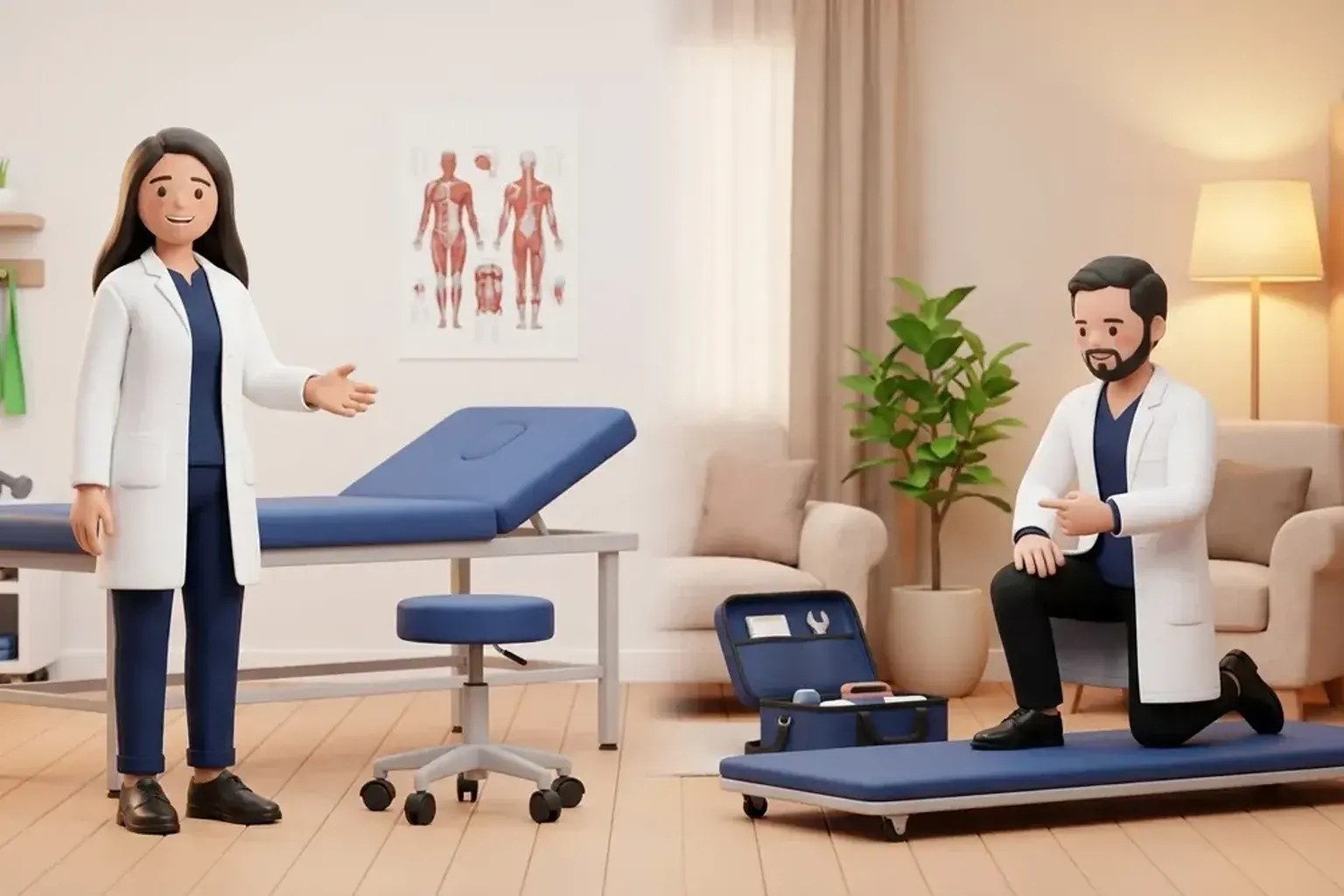
In-clinic vs home visit physiotherapy
| What to compare | In-clinic | Home visit |
|---|---|---|
| Typical fee | ₹300 to ₹1,500 a session. It depends on your city. | ₹400 to ₹2,000 a session. It depends on your city. |
| Exact fee | Set by each physiotherapist and shown on their profile | Set separately for home visits and shown on their profile |
| Best for | Equipment-based rehab and first assessments | Limited mobility, post-surgery, and elderly care |
| Equipment | Full clinic setup | Portable equipment the physiotherapist brings |
| Travel | You travel to the clinic | The physiotherapist comes to you |
| Booking | Pick a clinic slot on search | Filter by home visit on search |
Clinical rehabilitation framework
Evidence-informed clinical progression and starter exercise targets for burns and scar contracture.
Clinical progression criteria & key observations
- Contracture prevention through correct positioning in the first days after injury is easier than correcting an established contracture later
Starter exercise targets & evidence-based dosage
When to seek urgent care
Physiotherapy is safe for most people. See a doctor urgently if you have any of these.
- Severe scar contracture compromising airway, eyelid closure, or mouth opening (microstomia)
- Spontaneous ulceration or chronic non-healing wound within mature burn scar tissue (Marjolin ulcer suspicion)
- Acute loss of distal circulation, pulse, or sensation beneath a tight circumferential eschar or splint
- Signs of systemic wound infection, purulent discharge, or high fever
Seek urgent medical care first. Physiotherapy comes after, when it is safe.
Frequently asked questions
How do pressure garments help treat burn scars in physiotherapy?
Can I get physiotherapy for burns and scar management at home?
Why does physiotherapy emphasise anti-contracture positioning for burns?
How much does physiotherapy for burns and scar management cost in India?
Related conditions & care




Clinical guides & articles for burns and scar contracture
Evidence-informed articles, recovery timelines, and home care advice from our clinical library.
Cervical Stingers and Burners: Brachial Plexus Traction in Contact Sports
A stinger produces immediate electric shooting shock down one arm; unilateral transient weakness differentiates benign neuropraxia from cervical cord emergencies.
Hand Burn Rehabilitation: Intrinsic-Plus Anti-Deformity Splinting, Silicone Conformers, and Web-Space Restoration
Severe hand burns contract into the disabling claw position; rigorous anti-deformity splinting and custom silicone web conformers preserve essential digital span.
Automotive and Rickshaw Chassis Welders: Floor-Level Stoop Postures, Arc Flash Eye Burns, and Cervical Spondylosis in Unorganized Workshops
Welding vehicle frames on workshop floors forces severe neck twisting while holding heavy handheld shields; auto-darkening helmets and elevated welding jigs preserve chassis welders.
Caregiver Burnout & Zarit Burden Scale: Respite Mobility Guide
Family caregivers in India carry immense unvoiced emotional and spinal burdens; screening with the Zarit Burden Interview and home respite support prevents caregiver collapse.
Find physiotherapists for burns and scar contracture by city
Verified physiotherapists treat burns and scar contracture in these cities. Home visit and in-clinic options vary by physiotherapist.
Find a physiotherapist for burns and scar contracture
Compare physiotherapists by fee, experience, and availability. Clinic visits and home visits across India.
This page is for general education and booking guidance. It does not diagnose your condition or replace medical care.
If your symptoms are severe, sudden, or getting worse, seek urgent medical care first. The same applies with fever, chest pain, breathlessness, fainting, new weakness, loss of bladder or bowel control, or unexplained bleeding.
Always consult a qualified physiotherapist or doctor about your condition.