
Physiotherapy for Fracture Non-Union and Delayed Union
Quick answer
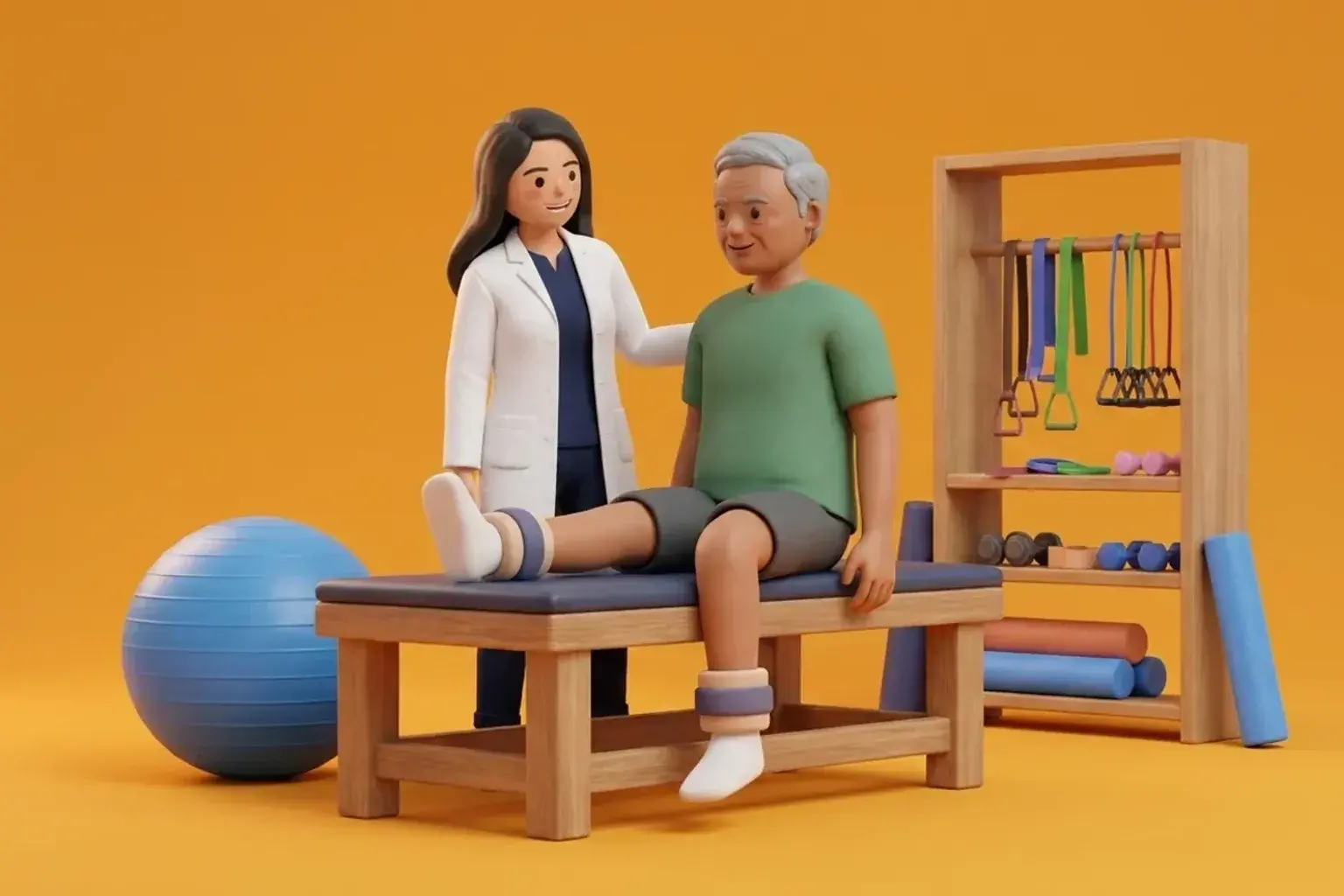
Physiotherapy plays a crucial supportive role in delayed fracture union and non-union management. In collaboration with orthopaedic surgeons, a physiotherapist administers controlled axial micro-motion loading (the piezoelectric effect to stimulate osteoblasts), supervises external bone growth stimulation devices, protects hardware from fatigue failure, and preserves surrounding joint mobility.
- Delayed healing occurs beyond normal months
- Controlled axial loading stimulates new bone
- Prevents muscle wasting during delayed union
- Protects surgical implants from fatigue
- Close coordination with orthopaedic surgeon
What is a delayed union or non-union?
A delayed union occurs when a fracture fails to consolidate within the expected biological timeline (usually 3 to 6 months), while a non-union represents cessation of bone healing without surgical intervention or osteogenic stimulation. Contributing factors across India include poor blood supply (scaphoid, talus, femoral neck), smoking, diabetes, nutritional deficiencies, and excessive or inadequate mechanical stability. Physiotherapy provides precisely dosed axial compressive loading (Wolff's law) that mechanically stimulates bone regeneration without shearing delicate reparative osteoid tissue. Physiotherapists coordinate safe mobility, low-impact exercise, and neuromuscular re-education.
Orthopaedic Physiotherapy
Fracture Non-Union and Delayed Union is assessed and treated under Orthopaedic physiotherapy (bones & joints). Bones, joints, muscles, and ligaments. Back pain, fractures, and post-surgery recovery.
How physiotherapy helps
- Controlled axial micro-motion weight loading
- Bone stimulator device usage compliance
- Adjacent joint range of motion maintenance
- Safe isometric muscle strengthening
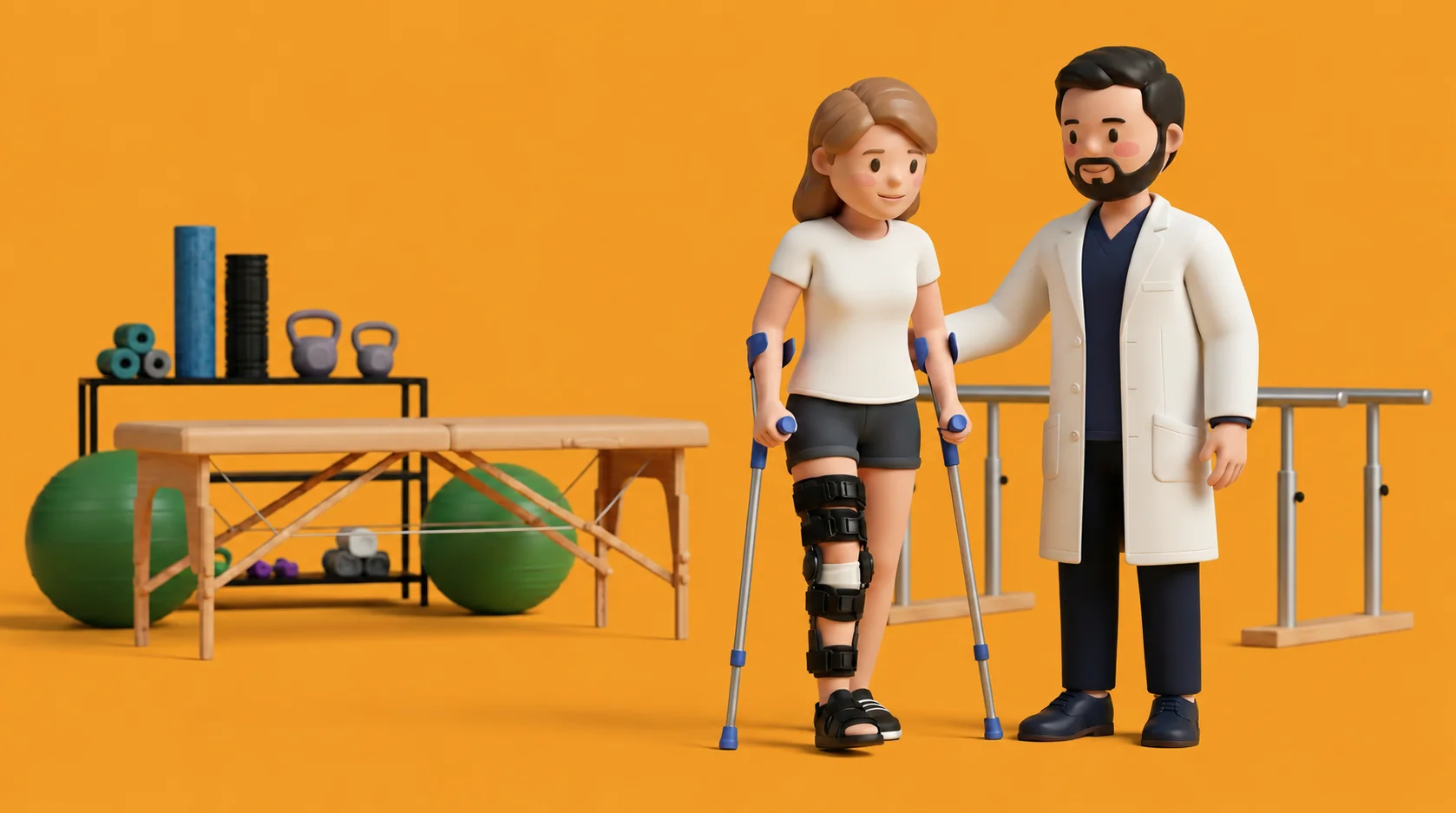
- Gait training with protective walking aids
Common signs
- Persistent localized pain and tenderness directly over the fracture gap months after injury
- Pain provoked by attempted weight-bearing or manual stress testing of the bone
- Subjective sensation of instability or clicking at the old fracture site
- Ongoing inability to discard walking aids, crutches, or splints beyond expected healing times
- Chronic low-grade swelling and limb disuse stiffness in neighboring joints
In-clinic vs home visit physiotherapy
| What to compare | In-clinic | Home visit |
|---|---|---|
| Typical fee | ₹300 to ₹1,500 a session. It depends on your city. | ₹400 to ₹2,000 a session. It depends on your city. |
| Exact fee | Set by each physiotherapist and shown on their profile | Set separately for home visits and shown on their profile |
| Best for | Equipment-based rehab and first assessments | Limited mobility, post-surgery, and elderly care |
| Equipment | Full clinic setup | Portable equipment the physiotherapist brings |
| Travel | You travel to the clinic | The physiotherapist comes to you |
| Booking | Pick a clinic slot on search | Filter by home visit on search |
Clinical rehabilitation framework
Evidence-informed clinical progression and starter exercise targets for a delayed union or non-union.
Starter exercise targets & evidence-based dosage
When to seek urgent care
Physiotherapy is safe for most people. See a doctor urgently if you have any of these.
- Sudden onset of gross deformity or audible snap indicating hardware bending or screw breakage
- Persistent erythema, heat, sinus tract drainage, or elevated ESR/CRP indicating infected non-union (pseudoarthrosis)
- Severe neurovascular compromise distal to the unhealed fracture site
- Severe intractable pain at rest with bone resorption visible on sequential CT scans
Seek urgent medical care first. Physiotherapy comes after, when it is safe.
Frequently asked questions
How does physiotherapy stimulate bone healing in delayed union?
Can I get physiotherapy for fracture non-union at home?
What is the difference between delayed union and non-union?
How much does physiotherapy for fracture non-union cost in India?
Related conditions & care


Clinical guides & articles for a delayed union or non-union
Evidence-informed articles, recovery timelines, and home care advice from our clinical library.
Post-Spinal Fusion Complications: Hardware Prominence, Rod Breakage, and Pseudoarthrosis
Hardware failure after spinal fusion reflects underlying pseudoarthrosis; sudden cracking noises and focal pain mandate radiographic audit for rod fracture and screw pullout.
Neurofibromatosis Type 1 (NF1): Congenital Tibial Pseudoarthrosis and Dystrophic Scoliosis
Neurofibromatosis Type 1 rehabilitation requires vigilant screening for congenital tibial bowing, plexiform neurofibromas, and rapidly progressive dystrophic scoliosis.
Subtrochanteric Femur Fracture Rehabilitation: Managing Delayed Union and Loading
Subtrochanteric femur fractures occupy a region of extreme biomechanical stress, predisposing patients to delayed healing. Explore evidence-based rehabilitation protocols to balance biological bone consolidation with functional recovery.
Fracture Non-Union and Delayed Union Rehabilitation: Low-Intensity Ultrasound Protocols
When bone healing stalls, delayed union and non-union threaten functional recovery. Discover evidence-based biophysical stimulation, Low-Intensity Pulsed Ultrasound (LIPUS), and progressive loading protocols.
Find physiotherapists for a delayed union or non-union by city
Verified physiotherapists treat a delayed union or non-union in these cities. Home visit and in-clinic options vary by physiotherapist.
Find a physiotherapist for a delayed union or non-union
Compare physiotherapists by fee, experience, and availability. Clinic visits and home visits across India.
This page is for general education and booking guidance. It does not diagnose your condition or replace medical care.
If your symptoms are severe, sudden, or getting worse, seek urgent medical care first. The same applies with fever, chest pain, breathlessness, fainting, new weakness, loss of bladder or bowel control, or unexplained bleeding.
Always consult a qualified physiotherapist or doctor about your condition.