
Physiotherapy for Guillain-Barré Syndrome
Quick answer
Physiotherapy is essential for restoring muscle strength, mobility, and functional independence throughout Guillain-Barré syndrome (GBS) recovery. A specialized neurological physiotherapist designs careful, criteria-based reconditioning routines, manages respiratory function, and avoids overwork weakness while safely guiding patients back to standing and walking.
- Ascending symmetrical muscle weakness
- Autoimmune attack on peripheral nerves
- Careful pacing prevents overwork weakness
- Gradual nerve remyelination takes months
- Criteria-based reconditioning restores gait
What is guillain-barre syndrome?
Guillain-Barré syndrome (GBS) is a rare, acute autoimmune disorder in which the body immune system attacks the peripheral nervous system, leading to rapid, ascending symmetrical muscle weakness, hyporeflexia, and sensory changes. Following acute medical treatment (plasmapheresis or intravenous immunoglobulin - IVIg) in a hospital, patients enter a prolonged recovery phase as peripheral nerve remyelination occurs over months to years. Physiotherapy must be strictly criteria-driven and carefully paced: high-intensity resistance training too early in denervated muscles can trigger overwork weakness, a paradoxical loss of muscle power. A neurological physiotherapist guides gentle bed mobility, passive stretching to prevent contractures, transfer training, assisted standing, and gradual gait re-education with functional electrical stimulation and orthotic support.
Neurological Physiotherapy
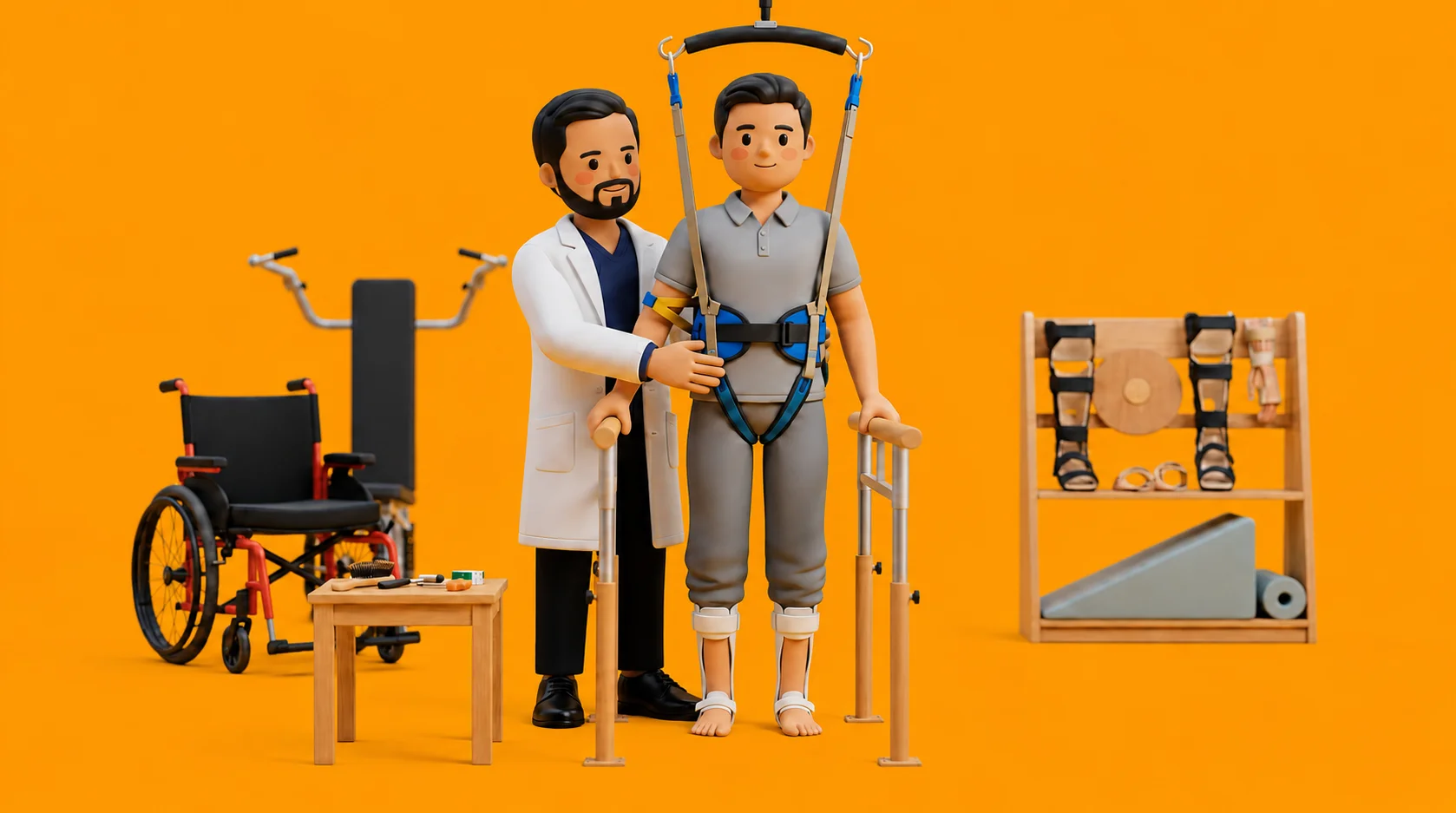
Guillain-Barré Syndrome is assessed and treated under Neurological physiotherapy (nerves & brain). Stroke recovery, nerve rehabilitation, and neurological movement disorders.
How physiotherapy helps
- Progressive muscle reconditioning drills
- Passive stretching to prevent contractures
- Transfer and balance practice with support
- Gait re-education with supportive orthotics
- Energy conservation and fatigue management
Common signs
- Symmetrical weakness starting in the feet and legs, ascending upwards into the arms and upper body
- Prickling, pins and needles, or numbness sensations in the fingers, toes, ankles, or wrists
- Severe difficulty with everyday functional movements like climbing stairs, walking, or rising from a chair
- Unsteady, waddling walking gait or complete inability to walk
- Severe, aching, or cramp-like muscle pain that may feel worse at night
In-clinic vs home visit physiotherapy
| What to compare | In-clinic | Home visit |
|---|---|---|
| Typical fee | ₹300 to ₹1,500 a session. It depends on your city. | ₹400 to ₹2,000 a session. It depends on your city. |
| Exact fee | Set by each physiotherapist and shown on their profile | Set separately for home visits and shown on their profile |
| Best for | Equipment-based rehab and first assessments | Limited mobility, post-surgery, and elderly care |
| Equipment | Full clinic setup | Portable equipment the physiotherapist brings |
| Travel | You travel to the clinic | The physiotherapist comes to you |
| Booking | Pick a clinic slot on search | Filter by home visit on search |
Clinical rehabilitation framework
Evidence-informed clinical progression and starter exercise targets for guillain-barre syndrome.
Clinical progression criteria & key observations
- Avoid overwork weakness: unlike many neuro conditions, high-intensity strengthening too early in GBS recovery can be counterproductive; build load gradually and monitor the NEXT day's function, not just the session
- Respiratory status can change quickly in the acute phase: know the escalation pathway before you need it
Starter exercise targets & evidence-based dosage
When to seek urgent care
Physiotherapy is safe for most people. See a doctor urgently if you have any of these.
- Rapidly progressing breathlessness or difficulty taking a deep breath (respiratory muscle involvement requires immediate emergency care)
- Difficulty swallowing, coughing, or choking on fluids, indicating bulbar muscle weakness
- Sudden fluctuations in heart rate, blood pressure, or cardiac arrhythmia (autonomic dysfunction)
- Marked worsening of muscle weakness the day following an exercise session, signaling overwork weakness
Seek urgent medical care first. Physiotherapy comes after, when it is safe.
Frequently asked questions
How long does physiotherapy for Guillain-Barré syndrome take?
Can I get physiotherapy for guillain-barré syndrome at home?
What is overwork weakness in GBS and how is it avoided?
How much does physiotherapy for guillain-barré syndrome cost in India?
Related conditions & care



Clinical guides & articles for guillain-barre syndrome
Evidence-informed articles, recovery timelines, and home care advice from our clinical library.
Guillain-Barré Syndrome: Rebuilding Muscle Strength Without Triggering Overwork Weakness
Rehabilitating from Guillain-Barré Syndrome requires strict pacing to avoid irreversible overwork weakness in regenerating motor units. Learn evidence-based submaximal loading and functional recovery protocols.
Diabetic Peripheral Neuropathy: Sensory Loss, Foot Care, and Balance Retraining in Indian Patients
Numb feet and tingling toes from diabetic neuropathy lead to catastrophic falls and silent ulcers. Discover sensory balance retraining and daily foot care protocols.
Diabetic Peripheral Neuropathy: Foot Offloading, Sensory Loss and Balance Care
Diabetic peripheral neuropathy causes sensory loss and high fall risk. Learn 10g Semmes-Weinstein testing, foot offloading, and sensory-substitution balance training.
Guillain-Barré Syndrome (GBS): Hughes Disability Scale, Overwork Weakness and Submaximal Rehab
Guillain-Barré Syndrome causes rapid ascending symmetrical paralysis. Learn the Hughes disability grading, why over-exercising causes nerve damage, and safe submaximal protocols.
Find physiotherapists for guillain-barre syndrome by city
Verified physiotherapists treat guillain-barre syndrome in these cities. Home visit and in-clinic options vary by physiotherapist.
Find a physiotherapist for guillain-barre syndrome
Compare physiotherapists by fee, experience, and availability. Clinic visits and home visits across India.
This page is for general education and booking guidance. It does not diagnose your condition or replace medical care.
If your symptoms are severe, sudden, or getting worse, seek urgent medical care first. The same applies with fever, chest pain, breathlessness, fainting, new weakness, loss of bladder or bowel control, or unexplained bleeding.
Always consult a qualified physiotherapist or doctor about your condition.