
Physiotherapy for Metatarsalgia and Forefoot Pain
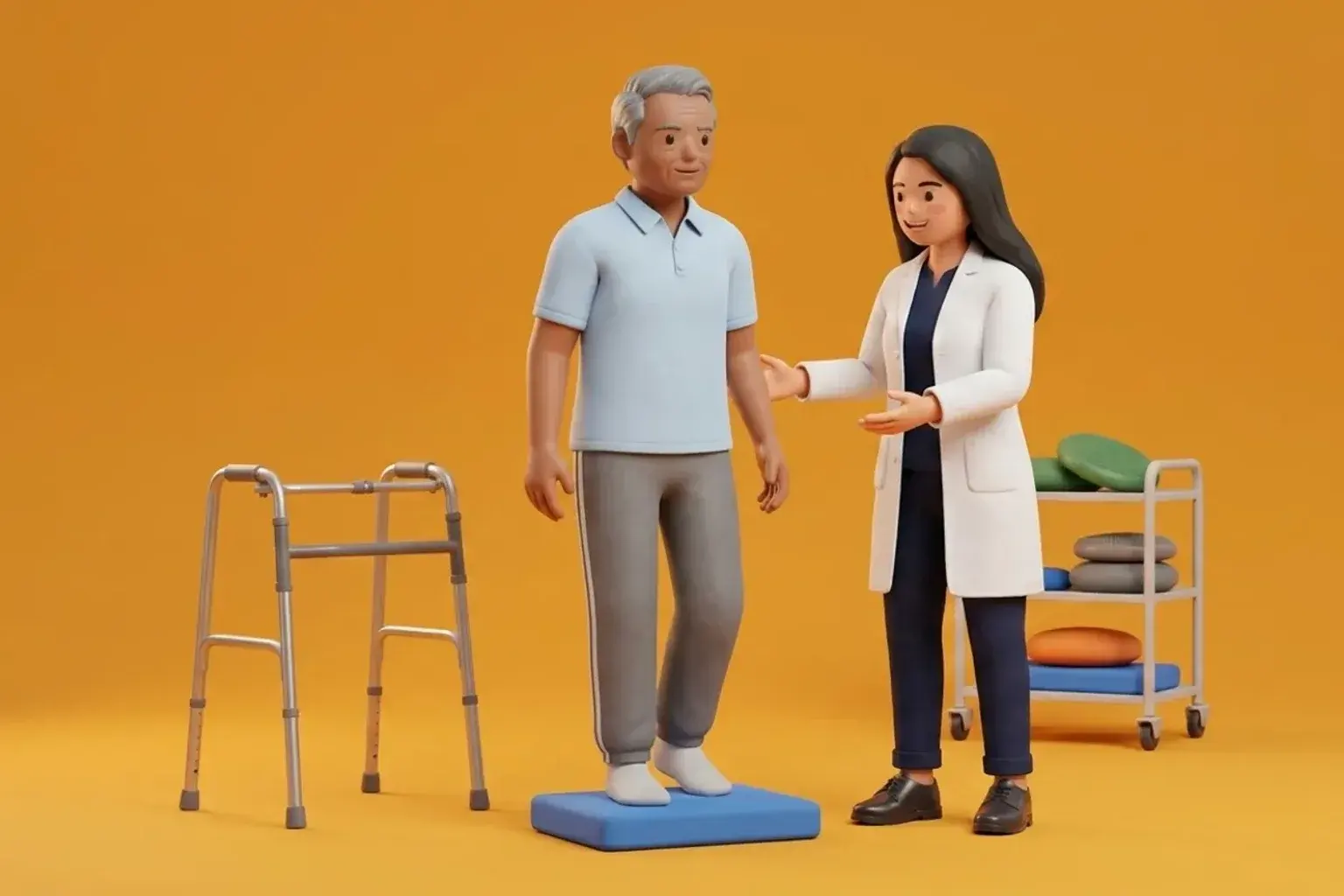
Quick answer
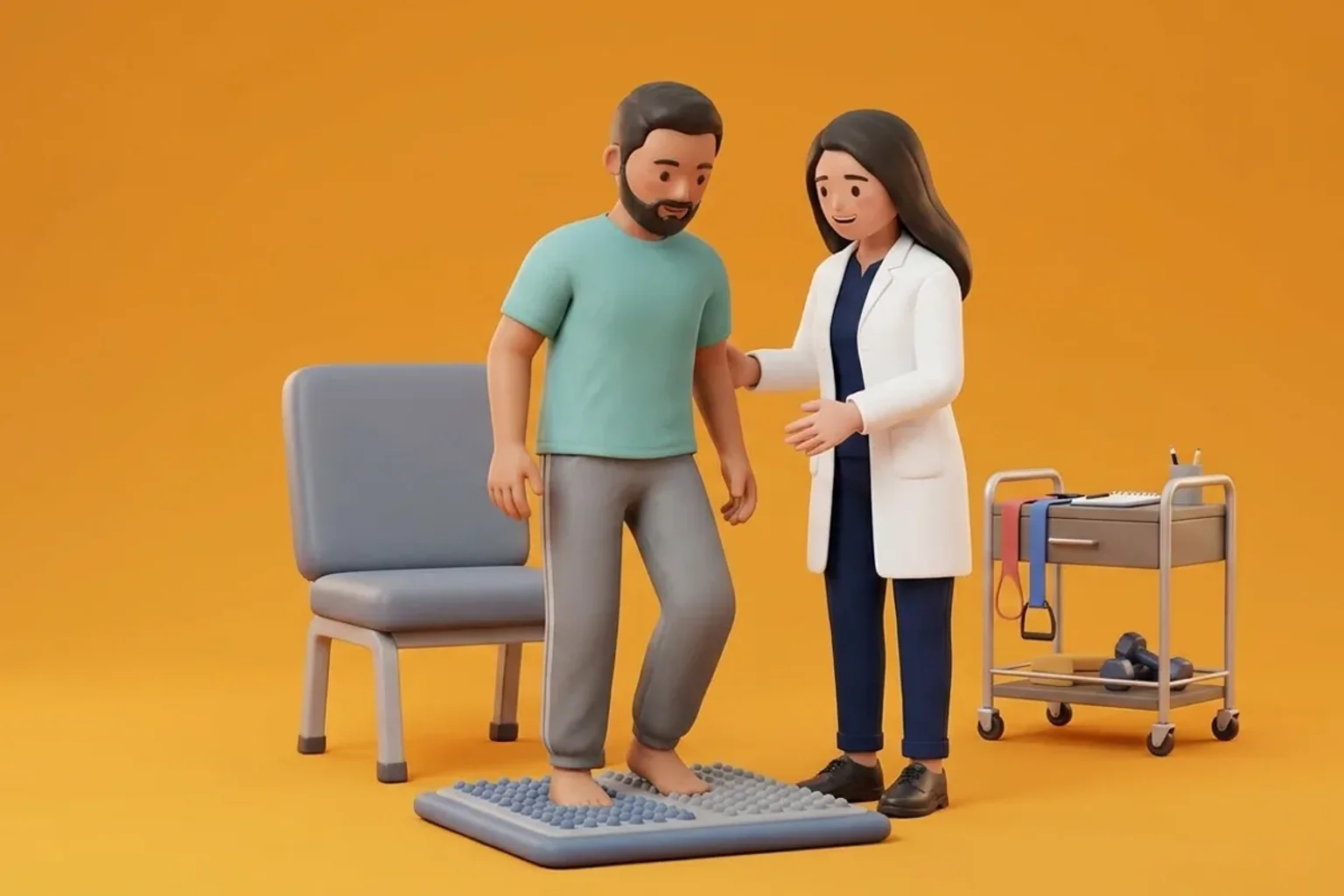
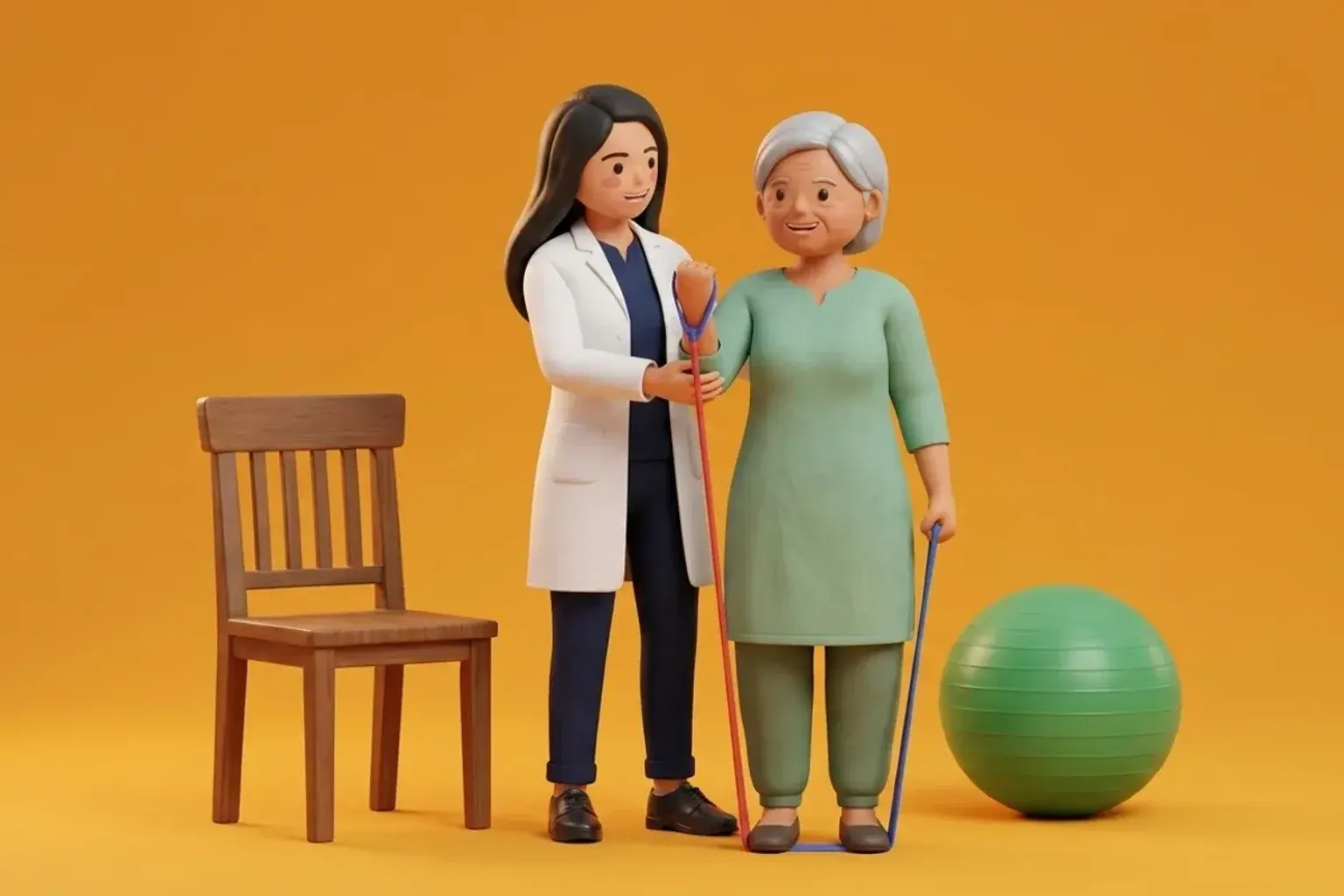
Physiotherapy provides lasting relief for metatarsalgia and forefoot pain beneath the ball of the foot. An orthopaedic physiotherapist redistributes plantar pressure with custom offloading techniques, releases tight calf muscles, mobilises stiff metatarsophalangeal joints, and strengthens intrinsic foot muscles to restore efficient push-off during walking.
- Aching pain under the ball of the foot
- Worsened by barefoot walking on hard floors
- Metatarsal domes provide instant offloading
- Calf stretching relieves forefoot pressure
- Intrinsic foot strengthening restores arches
What is metatarsalgia?
Metatarsalgia is a painful inflammatory condition affecting the metatarsal heads under the ball of the foot. Often caused by prolonged walking on hard tiled or marble floors barefoot in Indian homes, unsupportive footwear, high arches, or bunions, chronic overload leads to plantar plate irritation and joint capsulitis. Left unaddressed, abnormal pressure patterns can cause stress fractures or digital clawing. Physiotherapy identifies faulty gait mechanics, stretches shortened gastrocnemius muscles, strengthens the deep intrinsic foot musculature (toe doming and short foot exercises), and incorporates metatarsal domes to offload inflamed joints.
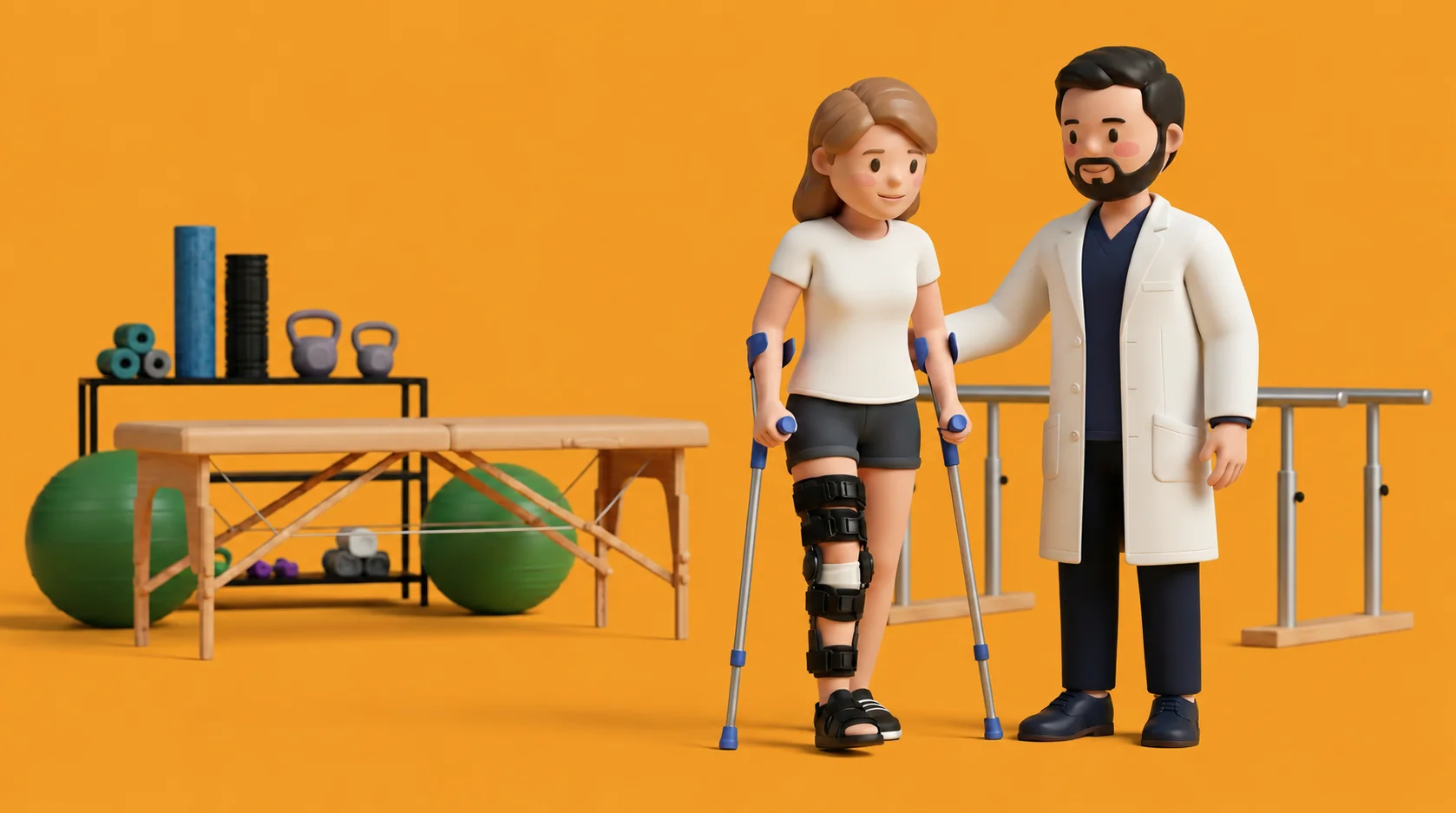
Orthopaedic Physiotherapy
Metatarsalgia is assessed and treated under Orthopaedic physiotherapy (bones & joints). Bones, joints, muscles, and ligaments. Back pain, fractures, and post-surgery recovery.
How physiotherapy helps
- Metatarsal dome offloading and taping advice
- Gastrocnemius and soleus stretching drills
- Short-foot intrinsic arch muscle activation
- Footwear modification and orthotic support
- Gait retraining for softer forefoot strike
Common signs
- Sharp, aching, or burning pain directly beneath the ball of the foot behind the toes
- Sensation like walking on a pebble or folded sock in your shoe
- Pain that worsens when barefoot on marble or tile floors and improves in cushioned footwear
- Increased forefoot ache during prolonged standing, walking, or running uphill
- Callus formation or localized tenderness under the second or third metatarsal head
In-clinic vs home visit physiotherapy
| What to compare | In-clinic | Home visit |
|---|---|---|
| Typical fee | ₹300 to ₹1,500 a session. It depends on your city. | ₹400 to ₹2,000 a session. It depends on your city. |
| Exact fee | Set by each physiotherapist and shown on their profile | Set separately for home visits and shown on their profile |
| Best for | Equipment-based rehab and first assessments | Limited mobility, post-surgery, and elderly care |
| Equipment | Full clinic setup | Portable equipment the physiotherapist brings |
| Travel | You travel to the clinic | The physiotherapist comes to you |
| Booking | Pick a clinic slot on search | Filter by home visit on search |
Clinical rehabilitation framework
Evidence-informed clinical progression and starter exercise targets for metatarsalgia.
Clinical progression criteria & key observations
- Toe drift or a positive dorsal drawer test specifically flags plantar plate involvement, which needs a different, more protective early approach (taping/offloading) than simple load-related metatarsalgia
- Always screen the web spaces separately for Morton's neuroma: the two conditions are easily conflated but respond to different interventions
Starter exercise targets & evidence-based dosage
When to seek urgent care
Physiotherapy is safe for most people. See a doctor urgently if you have any of these.
- Pinpoint exquisite bony tenderness on a metatarsal shaft indicating a bone stress fracture
- Sudden plantar plate rupture with visible vertical instability of the second toe
- Non-healing plantar ulceration with loss of protective sensation in diabetic neuropathy
- Spreading forefoot erythema, warmth, and systemic chills suggesting cellulitis or septic arthritis
Seek urgent medical care first. Physiotherapy comes after, when it is safe.
Frequently asked questions
How does a metatarsal dome help relieve forefoot pain?
Can I get physiotherapy for metatarsalgia at home?
Why does walking barefoot make metatarsalgia hurt more?
How much does physiotherapy for metatarsalgia cost in India?
Related conditions & care
Clinical guides & articles for metatarsalgia
Evidence-informed articles, recovery timelines, and home care advice from our clinical library.
Turf Toe (First MTP Plantar Plate Sprain): Rigid Morton's Extension and Rehab
Turf toe tears the delicate sesamoid-plantar plate complex; rigid Morton's carbon extensions restrict hyperextension, preventing chronic hallux rigidus.
Fifth Metatarsal Fractures in Athletes: Jones Fracture vs Avulsion and Rehab
True Jones fractures (Zone 2) occur in a vascular watershed area prone to non-union; percutaneous intramedullary screw fixation accelerates safe return in competitive soccer.
Jones Fifth Metatarsal Base Fracture Rehabilitation: Runner Loading and Fixation
A Jones fracture involves the watershed junction of the fifth metatarsal, posing high non-union risks for runners. Discover conservative versus intramedullary screw protocols and return-to-sport milestones.
Fifth Metatarsal Avulsion Fracture Rehabilitation: Pseudo-Jones Loading Protocols
A pseudo-Jones fracture involves avulsion of the tuberosity at the base of the fifth metatarsal. Learn evidence-based early weight-bearing protocols, stiff-soled footwear adaptation, and active recovery.
Find physiotherapists for metatarsalgia by city
Verified physiotherapists treat metatarsalgia in these cities. Home visit and in-clinic options vary by physiotherapist.
Find a physiotherapist for metatarsalgia
Compare physiotherapists by fee, experience, and availability. Clinic visits and home visits across India.
This page is for general education and booking guidance. It does not diagnose your condition or replace medical care.
If your symptoms are severe, sudden, or getting worse, seek urgent medical care first. The same applies with fever, chest pain, breathlessness, fainting, new weakness, loss of bladder or bowel control, or unexplained bleeding.
Always consult a qualified physiotherapist or doctor about your condition.