
Physiotherapy for Tibialis Posterior Dysfunction (PTTD)
Quick answer
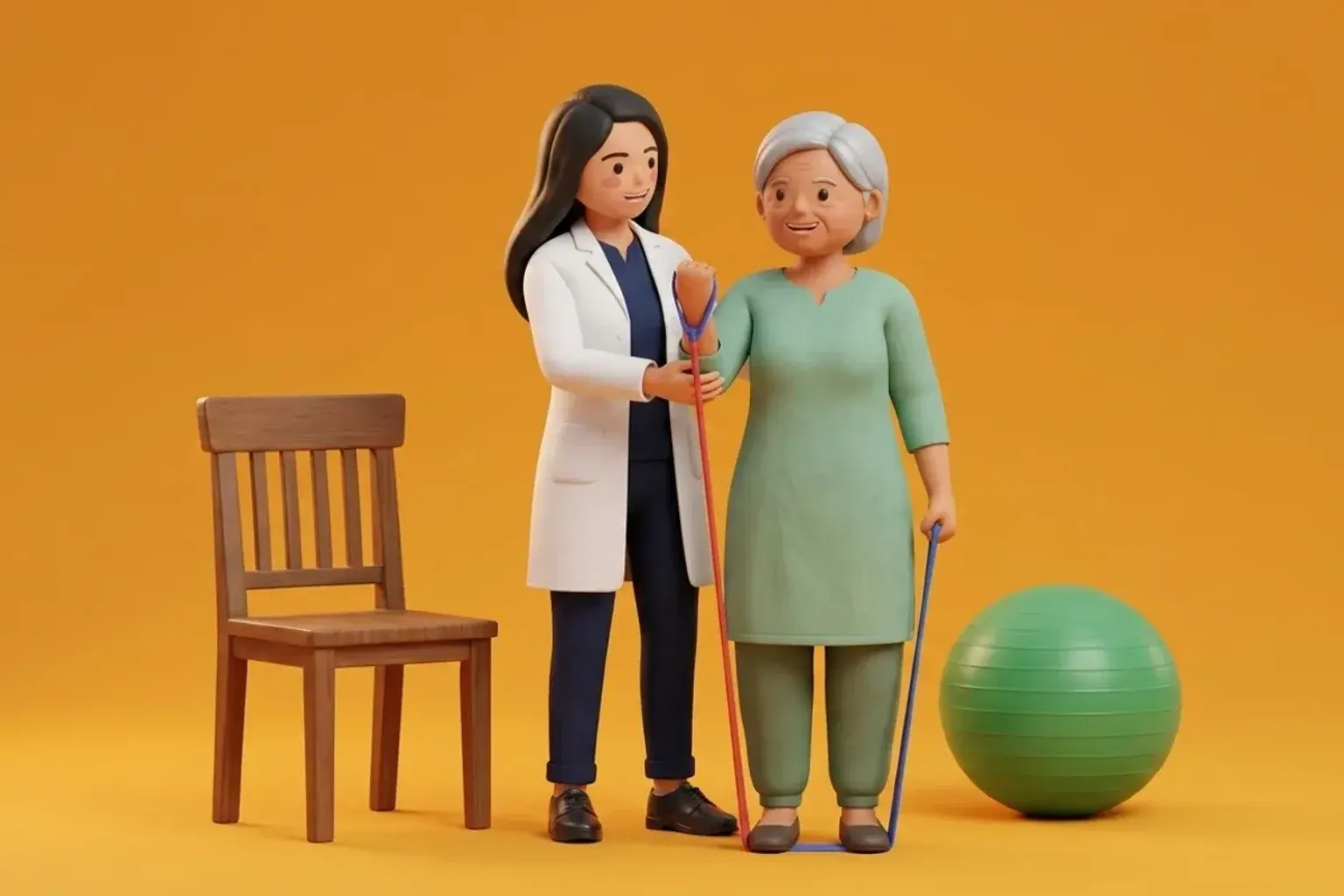
Physiotherapy is the cornerstone of conservative management for posterior tibial tendon dysfunction (PTTD) and adult-acquired flatfoot. A physiotherapist uses progressive tendon loading (eccentric-concentric single heel raises), foot orthoses, intrinsic arch strengthening, and calf stretching to rebuild medial ankle support and prevent arch collapse.
- Main cause of adult acquired flatfoot
- Pain along the inside ankle behind the bone
- Difficulty performing a single leg heel raise
- Supportive orthotics ease tendon strain
- Progressive calf loading rebuilds arch power
What is tibialis posterior dysfunction?
Posterior tibial tendon dysfunction (PTTD), the most common cause of adult-acquired flatfoot, occurs when the tibialis posterior tendon becomes stretched, inflamed, or degenerated, losing its ability to support the medial longitudinal arch of the foot. Common in middle-aged individuals, runners, and individuals walking barefoot on hard floors across India, early stages present as medial ankle ache behind the inner ankle bone (medial malleolus). If untreated, the foot rolls inward, the arch collapses, and lateral impingement pain develops. Physiotherapy focuses on staged tendon rehabilitation (isometric to eccentric heel raises), custom arch-supporting orthotics, and gluteal strengthening to control lower limb alignment.
Orthopaedic Physiotherapy
Tibialis Posterior Dysfunction is assessed and treated under Orthopaedic physiotherapy (bones & joints). Bones, joints, muscles, and ligaments. Back pain, fractures, and post-surgery recovery.
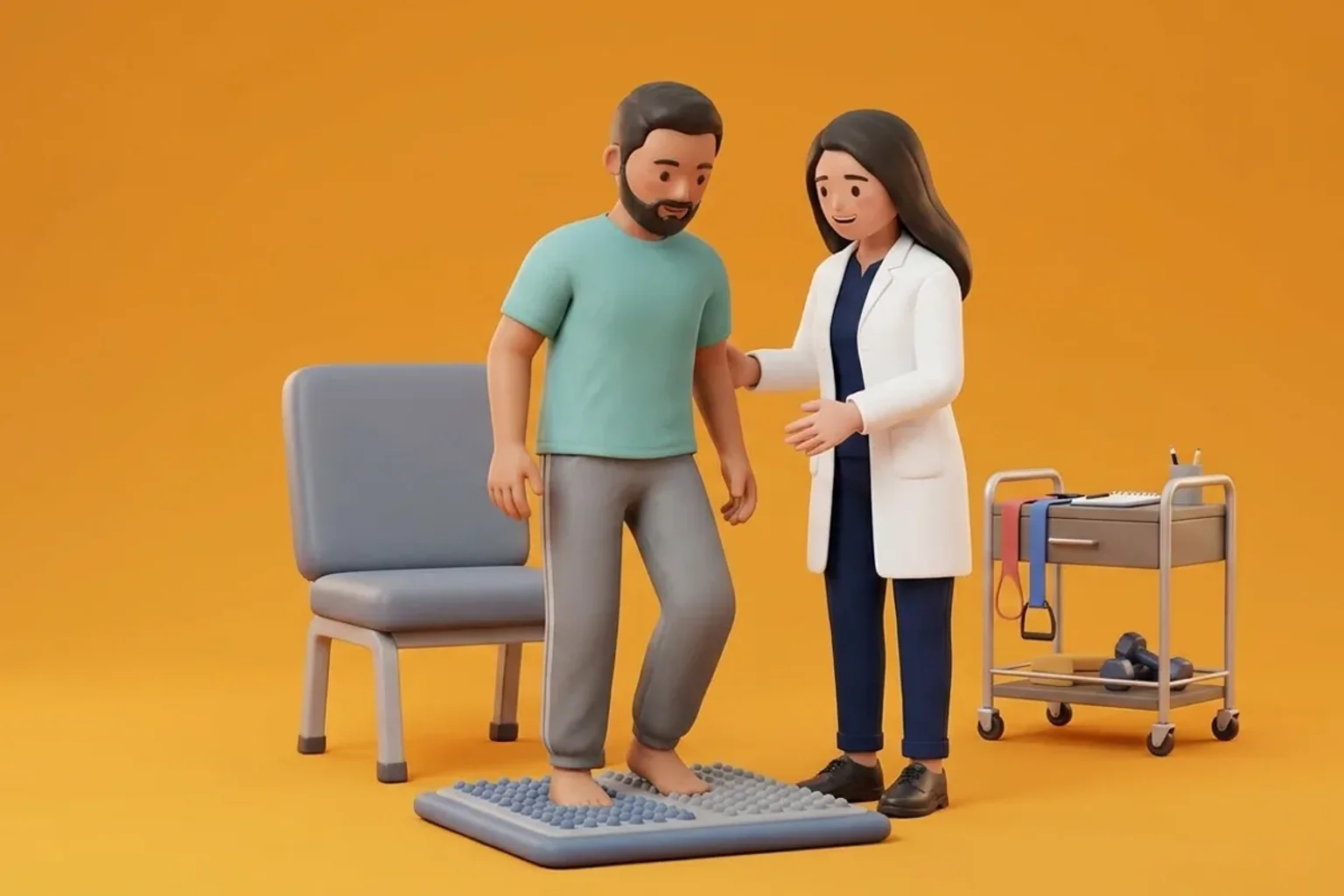
How physiotherapy helps
- Eccentric concentric single leg heel raises
- Tibialis posterior tendon isometric holds
- Short foot intrinsic foot arch strengthening
- Supportive footwear and orthotic guidance
- Lower limb alignment and balance retraining
Common signs
- Aching pain and tenderness along the inside of the ankle and foot, along the path of the posterior tibial tendon
- Swelling behind and below the medial malleolus (inner ankle bone)
- Progressive flattening of the foot arch with inward rolling of the heel (valgus deformity)
- Inability to perform a single-leg heel raise on the affected foot without pain or instability
- Lateral ankle pain in later stages due to compression between the fibula and calcaneus
In-clinic vs home visit physiotherapy
| What to compare | In-clinic | Home visit |
|---|---|---|
| Typical fee | ₹300 to ₹1,500 a session. It depends on your city. | ₹400 to ₹2,000 a session. It depends on your city. |
| Exact fee | Set by each physiotherapist and shown on their profile | Set separately for home visits and shown on their profile |
| Best for | Equipment-based rehab and first assessments | Limited mobility, post-surgery, and elderly care |
| Equipment | Full clinic setup | Portable equipment the physiotherapist brings |
| Travel | You travel to the clinic | The physiotherapist comes to you |
| Booking | Pick a clinic slot on search | Filter by home visit on search |
Clinical rehabilitation framework
Evidence-informed clinical progression and starter exercise targets for tibialis posterior dysfunction.
Clinical progression criteria & key observations
- The single-leg heel raise test is the single most useful bedside test: reduced height AND failure to invert the hindfoot on raise are both classic tibialis posterior signs
- Stage and deformity flexibility (not just pain) drive the management pathway: a flexible early-stage deformity responds to conservative care far better than a fixed late-stage one
Starter exercise targets & evidence-based dosage
When to seek urgent care
Physiotherapy is safe for most people. See a doctor urgently if you have any of these.
- Sudden, audible pop with acute loss of the ability to raise onto the toes, suggesting complete tendon rupture
- Signs of infection or trophic skin changes over the medial ankle, particularly in patients with diabetes
- Severe rigid foot deformity with acute inability to bear weight
- Numbness or burning radiating across the sole of the foot indicating tarsal tunnel compression
Seek urgent medical care first. Physiotherapy comes after, when it is safe.
Frequently asked questions
Can flatfoot from tibialis posterior dysfunction be corrected without surgery?
Can I get physiotherapy for tibialis posterior dysfunction at home?
What is the single heel raise test for PTTD?
How much does physiotherapy for tibialis posterior dysfunction cost in India?
Related conditions & care

Clinical guides & articles for tibialis posterior dysfunction
Evidence-informed articles, recovery timelines, and home care advice from our clinical library.
Flat Feet (Pes Planus) in Indian Toddlers: Arch Development, Barefoot Walking, and Paediatric Physio
Almost all toddlers have flat feet due to a natural fat pad. Discover Jack's test to distinguish flexible from rigid arches, barefoot benefits, and physio.
Paediatric Flat Feet and In-Toeing Gait: Developmental Milestones and Physiotherapy
Parents often worry when a toddler appears flat-footed or walks with pigeon-toed feet pointing inward. Learn how paediatric physiotherapists differentiate normal developmental variations from structural conditions requiring intervention.
Paediatric Flat Feet: Flexible Pes Planus vs Rigid Tarsal Coalition Guide
Paediatric flat feet are usually flexible and benign. Learn how to perform the Jack test, identify rigid tarsal coalitions, and strengthen intrinsic foot arches.
Posterior Tibial Tendon Dysfunction (PTTD): Adult Acquired Flatfoot and Single Heel Rise
Adult acquired flatfoot is primarily caused by posterior tibial tendon degeneration. Learn Johnson and Strom staging, the single heel rise test, and progressive loading.
Find physiotherapists for tibialis posterior dysfunction by city
Verified physiotherapists treat tibialis posterior dysfunction in these cities. Home visit and in-clinic options vary by physiotherapist.
Find a physiotherapist for tibialis posterior dysfunction
Compare physiotherapists by fee, experience, and availability. Clinic visits and home visits across India.
This page is for general education and booking guidance. It does not diagnose your condition or replace medical care.
If your symptoms are severe, sudden, or getting worse, seek urgent medical care first. The same applies with fever, chest pain, breathlessness, fainting, new weakness, loss of bladder or bowel control, or unexplained bleeding.
Always consult a qualified physiotherapist or doctor about your condition.