
Physiotherapy for Patellar Dislocation and Instability
Quick answer
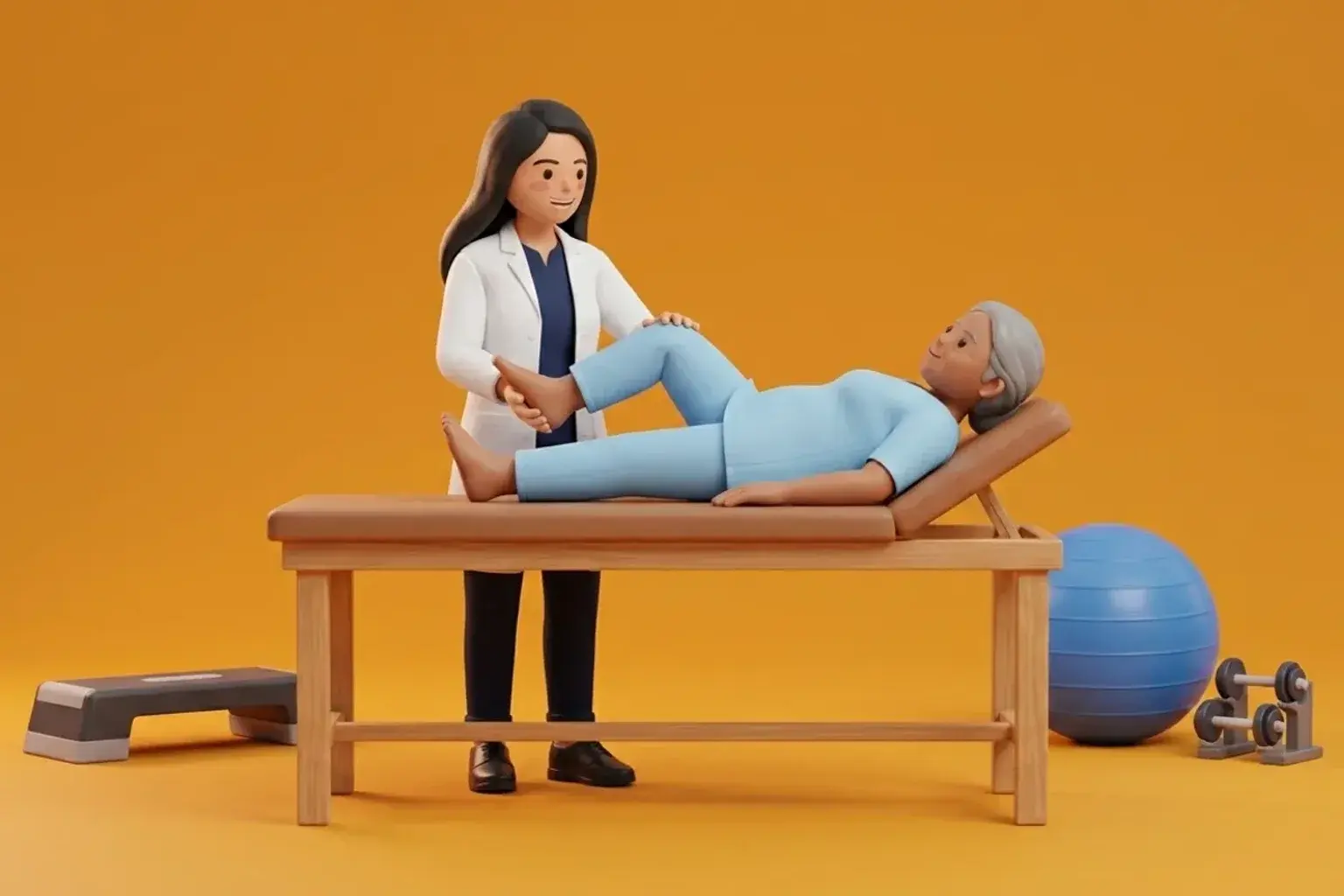
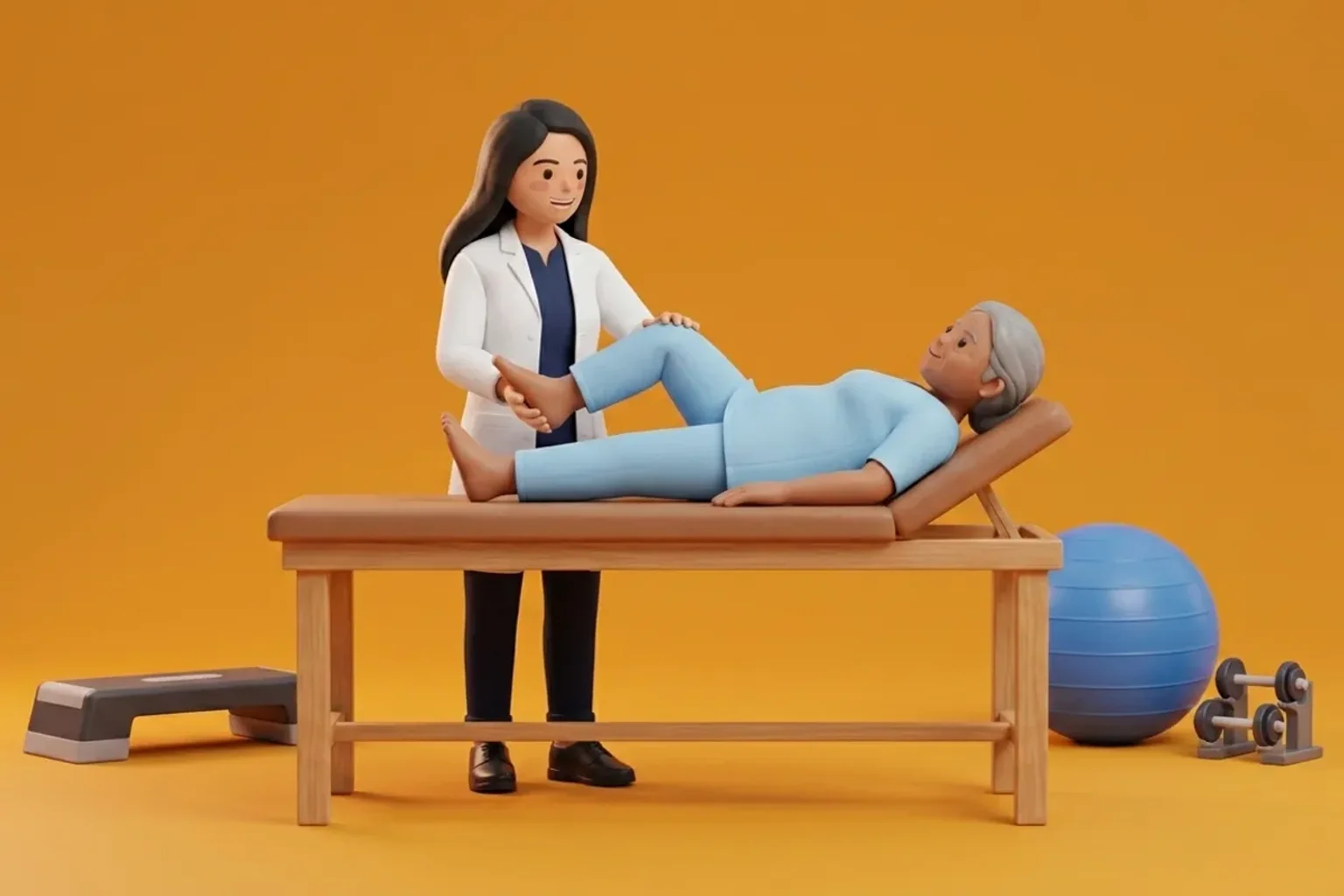
Physiotherapy is essential following patellar dislocation to restore knee stability and prevent recurrent kneecap subluxation. A sports physiotherapist reduces joint effusion, retrains vastus medialis obliquus (VMO) neuromuscular firing, strengthens hip abductors and external rotators to control valgus collapse, and guides safe return to sports without apprehension.
- VMO and gluteal strength stabilise the patella
- Early bracing protects the torn MPFL ligament
- Prevents recurrent kneecap shifting episodes
- Restores confidence in cutting and jumping
- Movement control reduces lateral tracking force
What is patellar dislocation?
Acute patellar dislocation occurs when the kneecap slips completely out of the femoral trochlear groove, usually laterally during a twisting movement or direct impact. Following prompt reduction, non-operative physiotherapy is the proven primary approach for first-time dislocations without osteochondral fracture. The medial patellofemoral ligament (MPFL) requires protected healing while targeted rehabilitation rebuilds active dynamic control. Physiotherapists assess core and lower kinetic chain biomechanics, addressing femoral internal rotation, dynamic knee valgus, and foot overpronation to permanently resolve patellofemoral instability across Indian sports and active daily routines.

Sports Physiotherapy
Patellar Dislocation is assessed and treated under Sports physiotherapy (athletic injuries). Injury prevention, athletic rehabilitation, and return-to-play programmes.
How physiotherapy helps
- VMO neuromuscular activation exercises
- Hip abductor and external rotator loading
- Functional squat mechanics without knee valgus
- Dynamic balance and single-leg landing control
- Patellar taping and stabilising knee bracing
Common signs
- Visible shifting or popping sensation where the kneecap displaces to the outside of the knee
- Rapid knee swelling and intense anterior knee pain immediately following the dislocation
- Tenderness along the inner border of the kneecap where the MPFL ligament is stretched
- Persistent apprehension or fear of knee buckling when attempting to pivot or twist
- Kneecap clicking, catching, or slipping sensations during stair descent and squats
In-clinic vs home visit physiotherapy
| What to compare | In-clinic | Home visit |
|---|---|---|
| Typical fee | ₹300 to ₹1,500 a session. It depends on your city. | ₹400 to ₹2,000 a session. It depends on your city. |
| Exact fee | Set by each physiotherapist and shown on their profile | Set separately for home visits and shown on their profile |
| Best for | Equipment-based rehab and first assessments | Limited mobility, post-surgery, and elderly care |
| Equipment | Full clinic setup | Portable equipment the physiotherapist brings |
| Travel | You travel to the clinic | The physiotherapist comes to you |
| Booking | Pick a clinic slot on search | Filter by home visit on search |
Clinical rehabilitation framework
Evidence-informed clinical progression and starter exercise targets for patellar dislocation.
Clinical progression criteria & key observations
- Recurrence risk is highest in younger patients (teens) with a first-time dislocation, especially with underlying trochlear dysplasia or hypermobility: set expectations accordingly and monitor
- Medial quadriceps (VMO) and hip control retraining is the core rehab lever, similarly to patellofemoral pain, but with a stronger emphasis on dynamic valgus control given the instability mechanism
Starter exercise targets & evidence-based dosage
When to seek urgent care
Physiotherapy is safe for most people. See a doctor urgently if you have any of these.
- Large intra-articular loose bone or cartilage fragment causing a mechanically locked knee
- Severe gross patellar hypermobility with immediate redislocation upon slight knee bending
- Inability to perform a straight leg raise indicating associated extensor mechanism rupture
- Calf tenderness, warmth, and asymmetry raising suspicion of deep vein thrombosis
Seek urgent medical care first. Physiotherapy comes after, when it is safe.
Frequently asked questions
What is the first step in physiotherapy after a dislocated kneecap?
Can I get physiotherapy for patellar dislocation at home?
Can physiotherapy prevent my kneecap from dislocating again?
How much does physiotherapy for patellar dislocation cost in India?
Related conditions & care


Clinical guides & articles for patellar dislocation
Evidence-informed articles, recovery timelines, and home care advice from our clinical library.
Pivot shift test and anterior drawer test for knee instability: biomechanics, sensitivity, and clinical grading
Rotational knee stability relies heavily on the anterior cruciate ligament and anterolateral capsule. The pivot shift test reproduces the dynamic giving-way phenomenon felt during sports cuts. Learn the biomechanical mechanism, hand placement, sensitivity, specificity, and neuromuscular stabilization exercises.
Hemiplegic shoulder subluxation after stroke: finger-breadth assessment, supportive positioning, and pain prevention
Inferior shoulder subluxation affects up to 80% of stroke survivors during the flaccid stage of recovery. Gravitational traction stretches the joint capsule and irritates the brachial plexus, provoking chronic hemiplegic shoulder pain. Master clinical finger-breadth assessment, wheelchair support, sling selection, and caregiver handling protocols.
Patellar Apprehension Test and Fairbank's Sign: Patellofemoral Instability Guide
Recurrent kneecap slipping or knee buckling often signals lateral patellar instability and medial patellofemoral ligament (MPFL) rupture. Learn how Fairbank patellar apprehension test identifies instability.
Clarke's Test and McConnell Test: Patellofemoral Pain and Chondromalacia Guide
Anterior knee pain when taking stairs or rising from sitting often signals patellofemoral chondromalacia. Learn how Clarke patellar grind test and the McConnell test evaluate retropatellar cartilage stress.
Find physiotherapists for patellar dislocation by city
Verified physiotherapists treat patellar dislocation in these cities. Home visit and in-clinic options vary by physiotherapist.
Find a physiotherapist for patellar dislocation
Compare physiotherapists by fee, experience, and availability. Clinic visits and home visits across India.
This page is for general education and booking guidance. It does not diagnose your condition or replace medical care.
If your symptoms are severe, sudden, or getting worse, seek urgent medical care first. The same applies with fever, chest pain, breathlessness, fainting, new weakness, loss of bladder or bowel control, or unexplained bleeding.
Always consult a qualified physiotherapist or doctor about your condition.