
Physiotherapy for PCL and MCL Knee Injuries
Quick answer
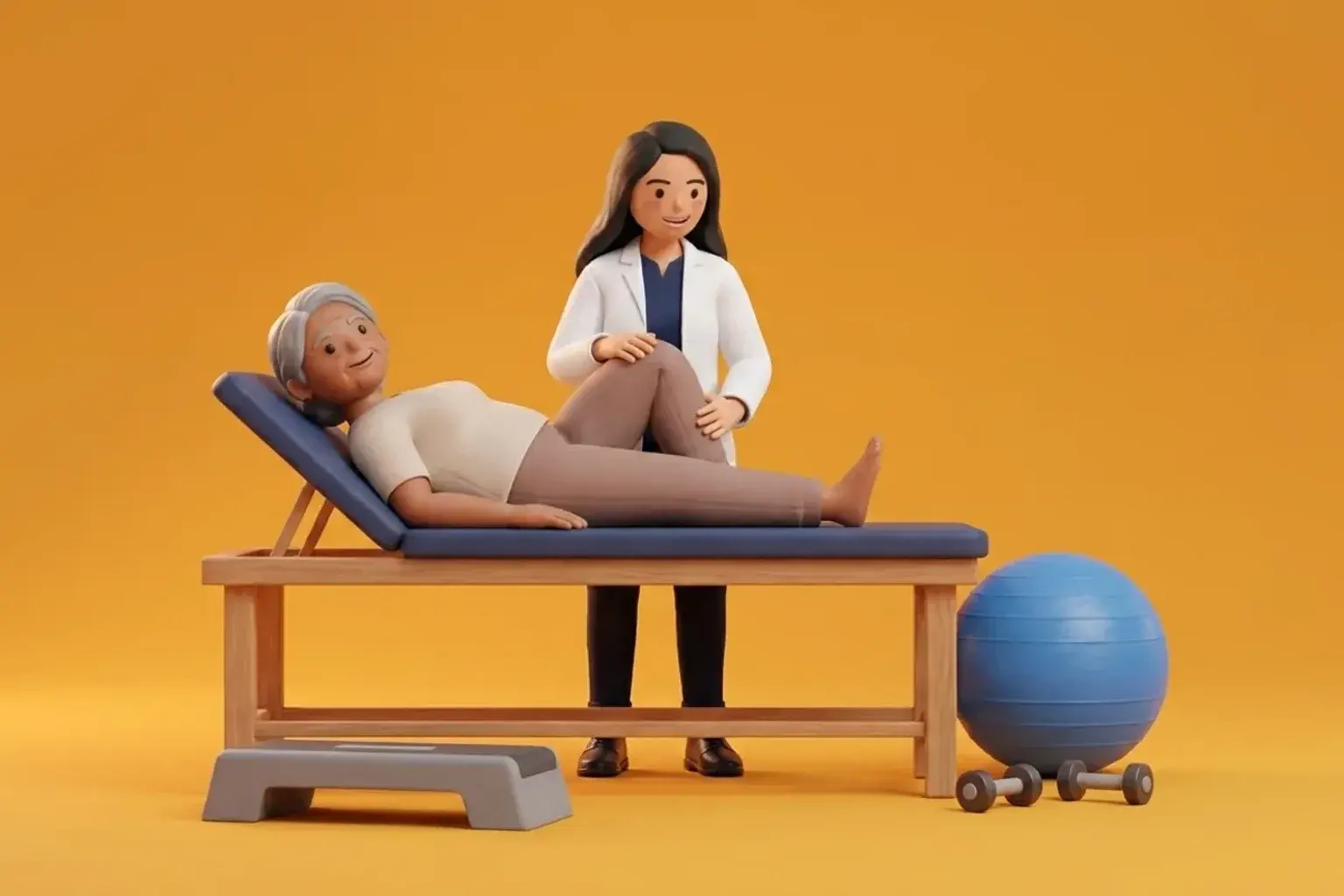
Physiotherapy provides effective non-operative rehabilitation for posterior cruciate ligament (PCL) and medial collateral ligament (MCL) injuries. A sports physiotherapist protects healing ligament fibres with progressive bracing, prevents posterior tibial sag with quadriceps-dominant loading, restores knee flexion, and rebuilds functional stability for sports and daily activity.
- MCL and PCL injuries heal with guided rehab
- Quadriceps loading prevents posterior knee sag
- Early hinged knee bracing protects healing
- Restores joint stability for running and sport
- Progressive closed-chain exercise is crucial
What is a PCL or MCL knee injury?
The medial collateral ligament (MCL) and posterior cruciate ligament (PCL) provide essential stability against valgus knee stress and posterior tibial translation. Isolated grade I and II MCL or PCL tears, as well as many grade III tears, heal effectively without surgery when managed with early protected movement and targeted exercise. Early rehabilitation prevents joint stiffness, restores terminal knee extension, and avoids hamstring co-contraction that pulls the tibia posteriorly during early PCL healing. Sports physiotherapists guide patients across India through progressive closed-chain squats, quadriceps strengthening, hip abductor loading, and dynamic neuromuscular agility drills to safely return to work and athletics.
Sports Physiotherapy
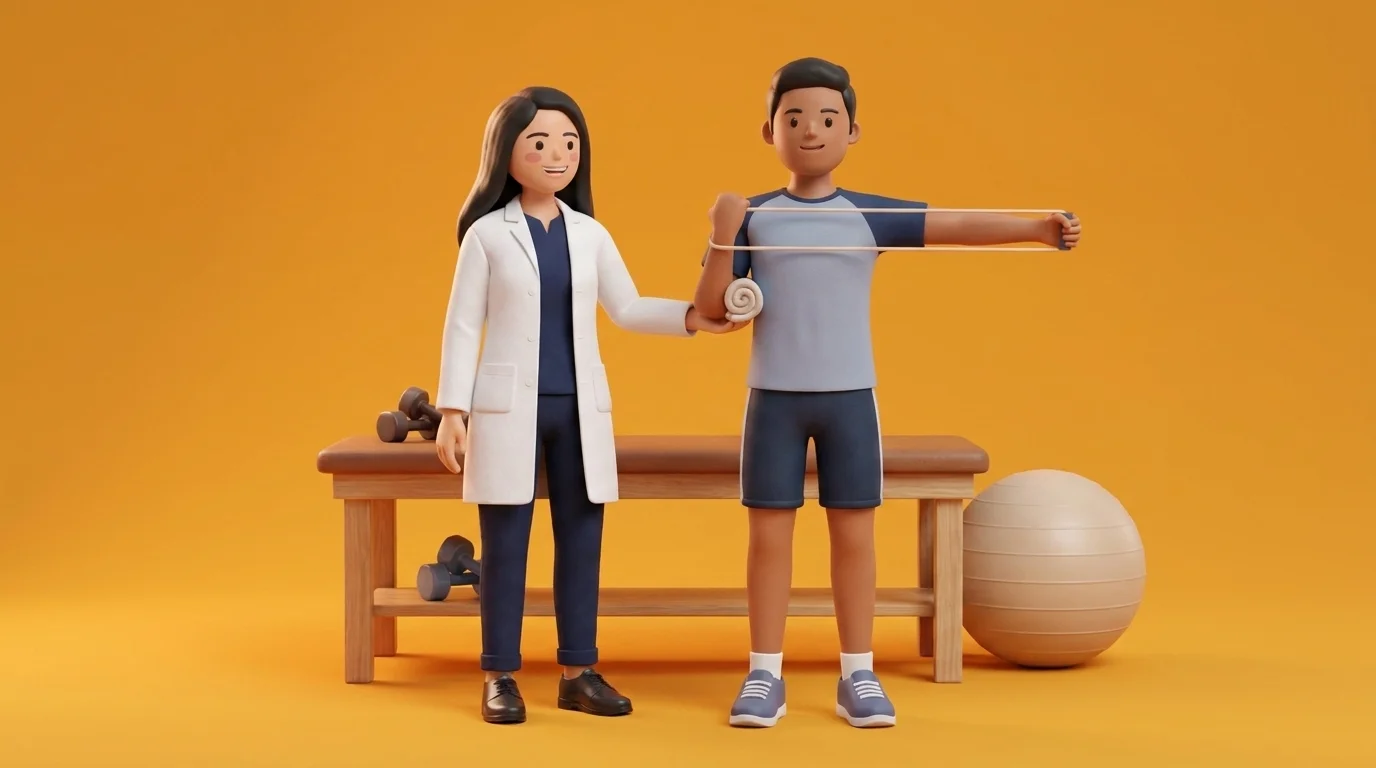
PCL and MCL Knee Injury is assessed and treated under Sports physiotherapy (athletic injuries). Injury prevention, athletic rehabilitation, and return-to-play programmes.
How physiotherapy helps
- Targeted quadriceps strengthening exercise
- Protected range of motion with knee bracing
- Hip abductor and pelvic stability training
- Neuromuscular proprioception drills
- Graded agility and return-to-sport testing
Common signs
- Pain along the inside of the knee joint line following a valgus blow or twisting motion
- Posterior knee ache and instability when descending stairs or walking down steep inclines
- Swelling and stiffness around the knee within twenty-four to forty-eight hours of injury
- Feeling of the shin bone shifting backward or the knee giving way during pivot movements
- Difficulty achieving full knee extension or flexing beyond ninety degrees without discomfort
In-clinic vs home visit physiotherapy
| What to compare | In-clinic | Home visit |
|---|---|---|
| Typical fee | ₹300 to ₹1,500 a session. It depends on your city. | ₹400 to ₹2,000 a session. It depends on your city. |
| Exact fee | Set by each physiotherapist and shown on their profile | Set separately for home visits and shown on their profile |
| Best for | Equipment-based rehab and first assessments | Limited mobility, post-surgery, and elderly care |
| Equipment | Full clinic setup | Portable equipment the physiotherapist brings |
| Travel | You travel to the clinic | The physiotherapist comes to you |
| Booking | Pick a clinic slot on search | Filter by home visit on search |
Clinical rehabilitation framework
Evidence-informed clinical progression and starter exercise targets for a PCL or MCL knee injury.
Clinical progression criteria & key observations
- Isolated grade I-III MCL injuries have a strong track record with non-surgical management; a combined-ligament picture changes that calculus significantly
- For PCL rehab specifically, favour quadriceps strengthening and avoid early isolated hamstring loading: the hamstring pulls the tibia posteriorly, the exact direction a healing PCL does not want stressed
Starter exercise targets & evidence-based dosage
When to seek urgent care
Physiotherapy is safe for most people. See a doctor urgently if you have any of these.
- Multi-ligament knee disruption with gross rotational instability requiring immediate surgical review
- Absent distal pedal pulses or cold foot indicating suspected popliteal artery injury
- Foot drop or numbness along the top of the foot suggesting common peroneal nerve traction
- Complete inability to bear weight with rapid tense joint haemarthrosis within two hours
Seek urgent medical care first. Physiotherapy comes after, when it is safe.
Frequently asked questions
Do PCL and MCL knee ligament tears require surgery?
Can I get physiotherapy for pcl or mcl knee injury at home?
Why is hamstring loading avoided in early PCL rehabilitation?
How much does physiotherapy for pcl or mcl knee injury cost in India?
Related conditions & care


Clinical guides & articles for a PCL or MCL knee injury
Evidence-informed articles, recovery timelines, and home care advice from our clinical library.
Elbow Valgus and Varus Stress Tests: Collateral Ligament Instability Guide
Cricket fast bowlers, javelin throwers, and racquet sport athletes frequently injure the ulnar collateral ligament (UCL) from repetitive valgus overload. Learn how the Valgus and Varus stress tests evaluate elbow stability.
Posterior Drawer Test and Posterior Sag Sign (Godfrey Test): PCL Tear Guide
Dashboard injuries and hyperflexion trauma frequently rupture the Posterior Cruciate Ligament (PCL). Learn how the Posterior Drawer test and Godfrey Posterior Sag sign accurately grade PCL laxity.
Dial Test at 30° and 90°: Posterolateral Corner (PLC) vs Isolated PCL Guide
Missed posterolateral corner (PLC) knee injuries lead to failed ACL and PCL reconstructions. Learn how the Dial test at 30 and 90 degrees of flexion differentiates isolated PLC tears from combined PCL ruptures.
Posterior Cruciate Ligament (PCL) Injury: The Dial Test and Dynamic Quadriceps Drive
PCL rehabilitation prohibits open-chain hamstring curls which pull the tibia backward; active quadriceps drive provides the primary dynamic anterior restraint.
Find physiotherapists for a PCL or MCL knee injury by city
Verified physiotherapists treat a PCL or MCL knee injury in these cities. Home visit and in-clinic options vary by physiotherapist.
Find a physiotherapist for a PCL or MCL knee injury
Compare physiotherapists by fee, experience, and availability. Clinic visits and home visits across India.
This page is for general education and booking guidance. It does not diagnose your condition or replace medical care.
If your symptoms are severe, sudden, or getting worse, seek urgent medical care first. The same applies with fever, chest pain, breathlessness, fainting, new weakness, loss of bladder or bowel control, or unexplained bleeding.
Always consult a qualified physiotherapist or doctor about your condition.