
Brick Kiln and Construction Head-Loading Laborers: Cervical Axial Compression, Atlantoaxial Strain, and Ergonomic Offloading
In short
Carrying 30-40 kg loads directly on the cranium exerts destructive axial compression across cervical vertebrae; ergonomic head rings and mechanical wheelbarrows protect workers.
In this guide (4 sections)
The Biomechanics and Pathophysiology of Cranial Head-Loading ('Gunda')
In India's massive informal labor sector - comprising over 150,000 brick kilns (bhattas), rural construction sites, and railway stations (coolies) - manual head-loading remains a ubiquitous method of freight transport. Laborers, including a substantial proportion of migrant women, routinely balance loads of 25 to 45 kg (often equaling 60% to 80% of their own total body weight) directly upon the cranium.
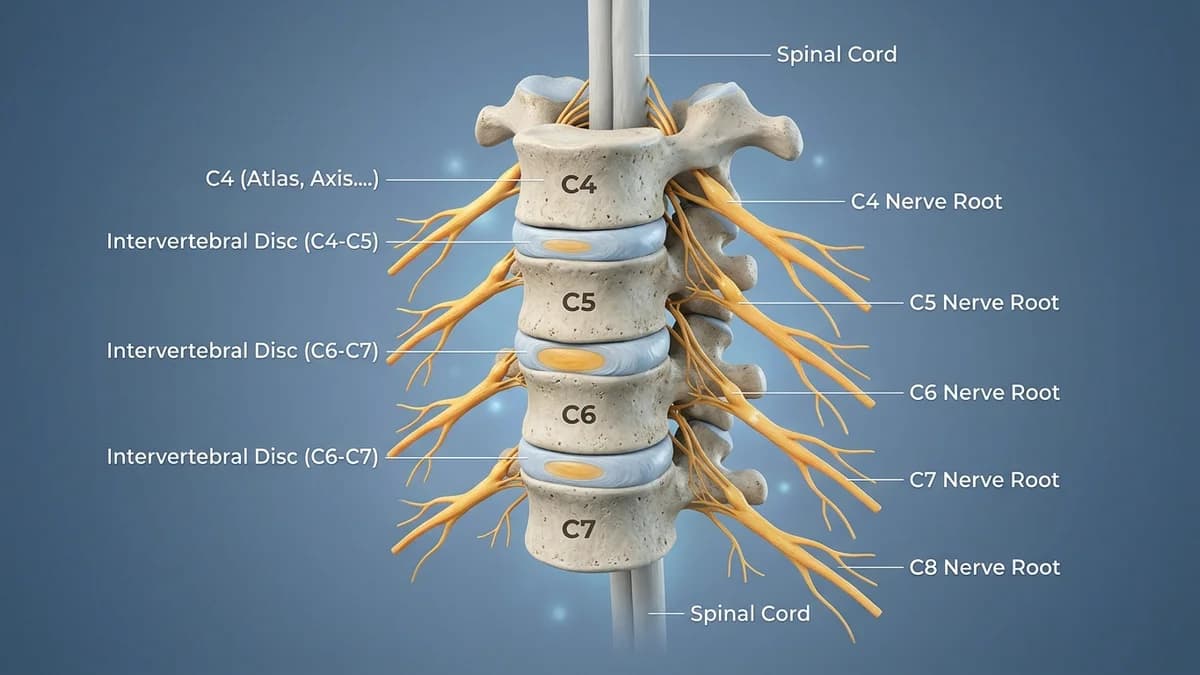
Loads are balanced upon a tightly rolled cloth ring known locally as a 'gunda' or 'piri'. Biomechanically, balancing a 35 kg stack of 8 to 10 bricks on the vertex transmits immense vertical axial compressive loads directly through the atlanto-occipital and atlanto-axial (C1-C2) complexes down to the C5-C7 motion segments. Plain radiographs and MRI studies of veteran head-loaders reveal severe premature cervical disc space narrowing, osteophytic spurring, canal stenosis, and increased risk of odontoid process stress remodeling.
Head-Loading Biomechanical Forces vs Spinal Degeneration Matrix
| Material Transport Method | Axial Spinal Load Profile | Postural Vector & Center of Mass | Degenerative Spinal Pathology | |
|---|---|---|---|---|
| Direct Cranial Head-Loading ('Gunda') | 100% axial compression through all cervical vertebrae (C1-C7) | High center of gravity; extreme balance demand; neck rigid | SEVERE: Premature cervical disc collapse, myelopathy, occipital neuralgia | |
| Double-Ended Shoulder Yoke (Bahangi) | Transfers 100% of load to acromion and upper trapezius muscles | Bypasses delicate cervical spine; distributes weight between shoulders | MODERATE: Shoulder contour bruising, but completely saves cervical discs | |
| Two-Wheeled Ergonomic Handcart / Wheelbarrow | 70-80% of load carried on wheels; only 20-30% on arm/shoulder | Low center of gravity; forward push; zero cranial load | MINIMAL: Optimal ergonomic standard; eliminates spinal compression entirely |
Standardized Clinical Rehabilitation Protocols and Ergonomic Safeguards
- The Dual-Density Foam and Rubber Head-Ring (Gunda) Retooling: Replace traditional tightly twisted raw cotton or jute cloth rings with dual-density composite rings incorporating high-density EVA foam and shock-absorbing rubber; this broadens contact surface area across the skull vertex, reducing peak focal contact pressure by 40%.
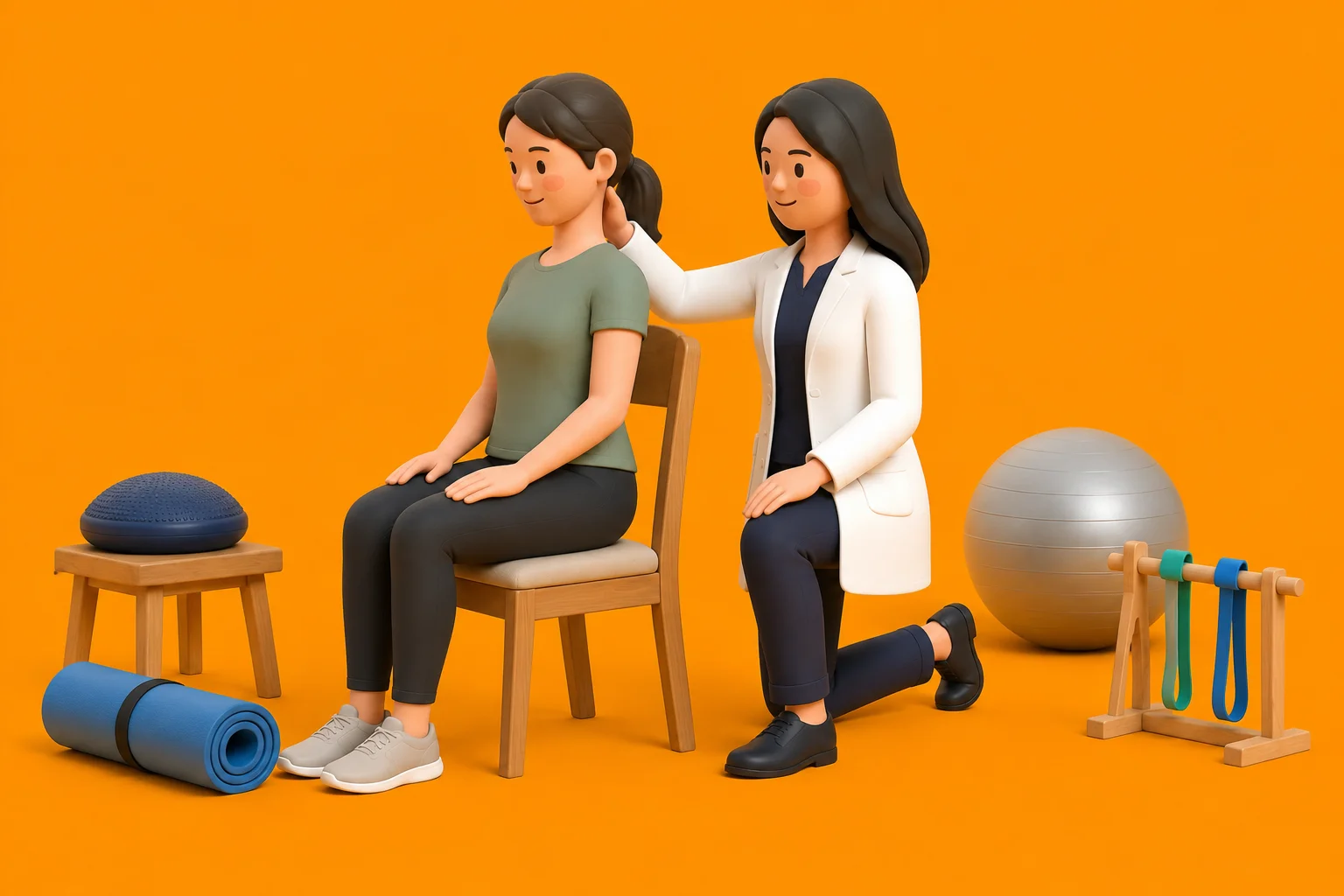
- Deep Cervical Extensor and Scapular Isometric Strengthening: Prescribe multi-angle cervical isometric strengthening drills (pressing forehead, occiput, and sides against manual resistance without joint movement) to build muscular stabilization collars that absorb axial shock.
- Workplace Transition to Two-Wheeled Wheelbarrows and Shoulder Yokes: Advocate for factory and kiln transition to simple mechanical two-wheeled handcarts and balanced shoulder yokes (bahangi); transferring heavy loads from the head to wheels permanently prevents disabling cervical myelopathy.
Frequently Asked Questions
How much weight can a human neck safely balance on the head?
Scientific occupational guidelines recommend that loads carried on the head should NEVER exceed 10% to 15% of a person's body weight (about 5 to 8 kg). Carrying 30 to 40 kg of bricks or cement bags on the head places devastating crushing pressure on the delicate neck bones.
Why do veteran head-loaders often get numbness and tingling in their fingers?
Carrying heavy weights on the head squashes the rubbery shock absorbers (discs) between your neck bones flat. When these discs bulge out or bone spurs form, they pinch the nerves traveling down into your arms, causing burning pain, numbness, and weak grip in your hands.
How does using a shoulder yoke (bahangi) protect the neck?
A shoulder yoke balances two equal baskets across your wide shoulder muscles and collarbones, completely bypassing your neck and skull. This allows your powerful leg and shoulder muscles to carry the weight without crushing your cervical spine.
Related condition guides

Related recovery guides & articles
BookPhysio.in Editorial Team
The BookPhysio.in editorial team writes and maintains this content, checking it against reliable clinical sources. Content follows our medical review policy: general information only, and no page claims a clinical review until a named registered physiotherapist has signed it off.
Read our medical review policy