
Tea Garden Leaf Pluckers: Head-Strap Tumpline Basket Biomechanics, Cervical Kyphosis, and Postural Fatigue in Assam and the Nilgiris
In short
Carrying heavy 20-30 kg leaf baskets via forehead tumpline straps exerts massive cervical traction and flexion; ergonomic dual-shoulder harnesses preserve tea plantation workers.
In this guide (4 sections)
The Biomechanics and Occupational Posture of Tea Leaf Pluckers
India's tea plantation industry (concentrated in Assam, Darjeeling, the Dooars, and the Nilgiris) employs over 1.2 million plantation laborers, over 65% of whom are women. Pluckers navigate steep hill slopes and muddy terraces for 8 to 10 hours daily, hand-plucking 'two leaves and a bud' into a large wicker or synthetic basket carried on the back.
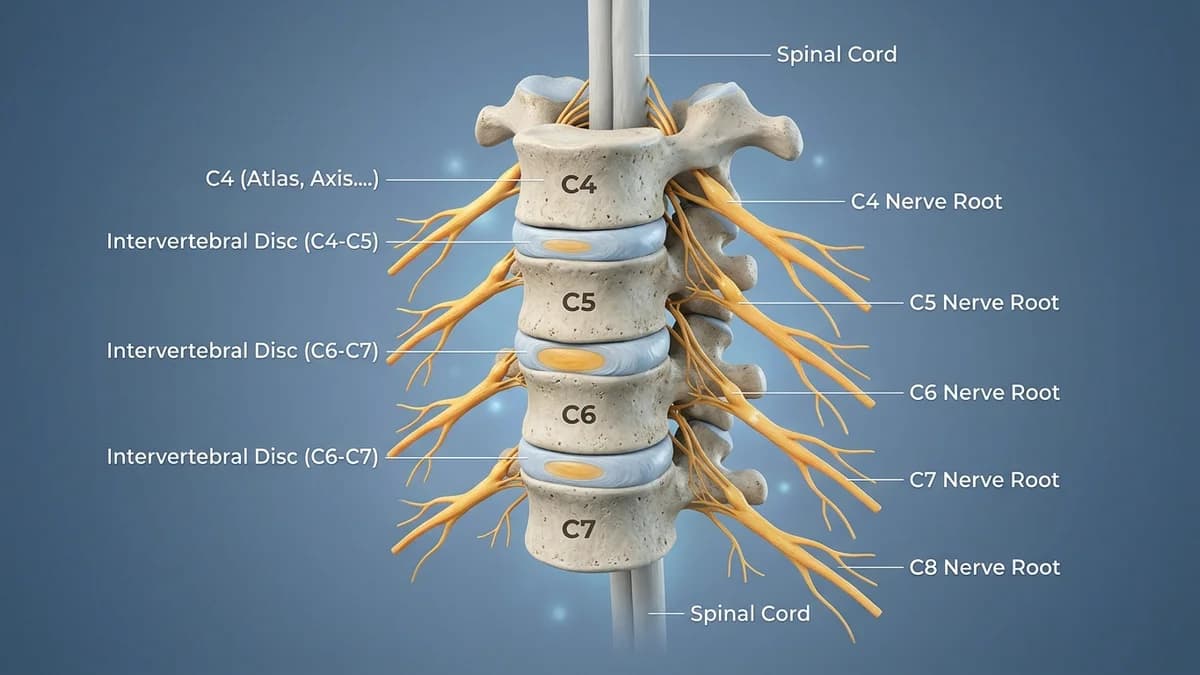
The primary biomechanical hazard is the load-suspension mechanism: the basket is anchored entirely by a broad cloth or woven strap (tumpline or 'namlo') passed across the frontal bone of the forehead. As the basket fills with 20 to 30 kg of wet green leaf, the tumpline exerts severe posterior and downward traction directly on the skull vertex. To counteract this backward pull, the plucker must walk leaning sharply forward, holding the cervical spine in extreme compensatory hyperextension and thoracic kyphosis for miles, leading to severe cervical disc collapse, occipital neuralgia, and premature spinal degeneration.
Tumpline Biomechanical Forces vs Dual-Shoulder Harness Matrix
| Load Suspension Architecture | Cervical Spine Compressive Force | Center of Gravity & Head Posture | Occupational Musculoskeletal Outcome | |
|---|---|---|---|---|
| Forehead Tumpline Strap ('Namlo') | EXTREME: Direct axial and shear traction on C1-C7 | Severe forward head tilt (45°); hyperextended neck | SEVERE: Cervical spondylosis, nerve root compression, chronic migraine | |
| Single Shoulder Sling | Asymmetric thoracic torque; unilateral trapezius spasm | Lateral trunk tilt; unbalanced footing on steep slopes | MODERATE TO SEVERE: Scoliotic posturing, slip-and-fall risk on hills | |
| Ergonomic Dual-Shoulder Harness + Hip Belt | ZERO CRANIAL LOAD; transfers 60% of weight to iliac crest | Upright neutral spine; normal visual horizon; balanced footing | OPTIMAL: Completely unloads cervical spine; halts spinal degeneration |
Standardized Clinical Rehabilitation Protocols and Plantation Ergonomics
- Dual-Shoulder Padded Backpack Harness with Hip Support: Replace traditional forehead tumpline straps with ergonomically designed dual-shoulder padded backpack harnesses featuring a wide, load-bearing pelvic waist belt; transferring the 25 kg leaf mass to the pelvis completely eliminates cervical spine traction.
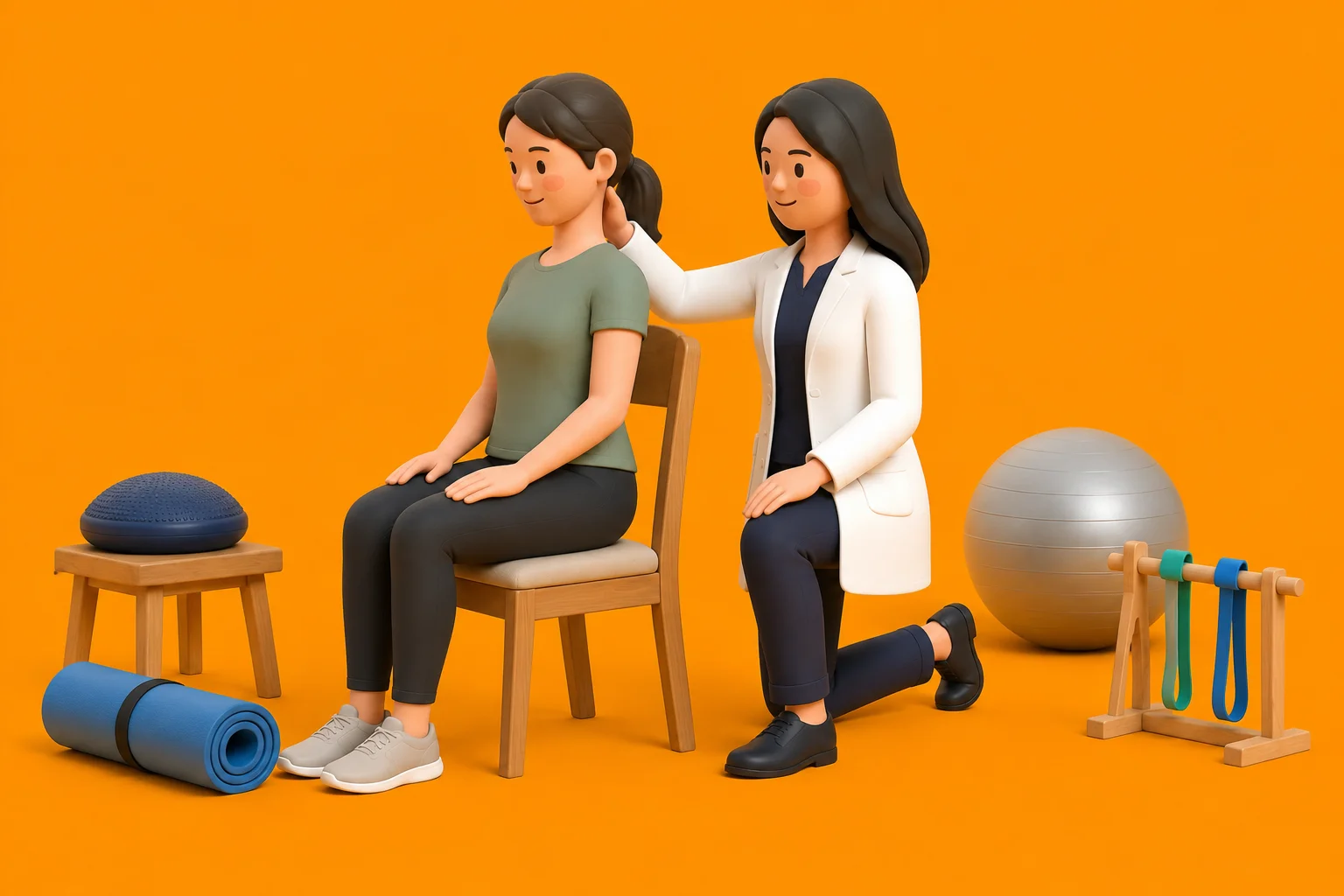
- Deep Cervical Flexor Isometric Strengthening Protocols: Prescribe multi-angle cervical isometric exercises (pressing the forehead, temple, and occiput against resistance without head movement) to strengthen the Longus Colli and build a protective muscular collar around the cervical vertebrae.
- End-of-Pluck Postural Decompression Drills: Instruct pluckers to perform 5 slow standing cervical retractions (chin-tucks) paired with bilateral shoulder rolls immediately upon emptying their baskets at weighment centers to reverse hours of static forward stooping.
Frequently Asked Questions
Why does carrying a tea basket with a forehead strap cause blinding headaches?
A forehead strap (tumpline) pulls your head backward with 25 kg of force. To keep from falling backward, your neck muscles must clamp down with immense strength to pull your head forward. This crushes the delicate nerves and blood vessels at the base of your skull, causing throbbing tension headaches.
How does an ergonomic backpack harness help tea pluckers on steep hill slopes?
A backpack harness with a padded hip belt takes the heavy basket off your forehead and transfers the weight down onto your strong hip and pelvic bones. This allows you to walk with your head upright, improving your balance on muddy slopes and saving your neck from arthritis.
What simple stretch can a tea plucker do to relieve neck burning?
Gently tuck your chin straight back toward your neck (like making a double chin) and roll your shoulders backward 10 times. Doing this simple reset whenever you empty your basket restores blood flow and relaxes tight neck muscles.
Related condition guides

Related recovery guides & articles
BookPhysio.in Editorial Team
The BookPhysio.in editorial team writes and maintains this content, checking it against reliable clinical sources. Content follows our medical review policy: general information only, and no page claims a clinical review until a named registered physiotherapist has signed it off.
Read our medical review policy