
Cervical radiculopathy vs postural neck strain: symptoms and physiotherapy
Conditions and RecoveryIn short
Persistent neck and shoulder discomfort can stem from muscular postural fatigue or true cervical nerve root compression. Discover the key clinical differences, evidence-based physiotherapy protocols, safe nerve glides, and when imaging or specialist review is mandatory.
In this guide (5 sections)
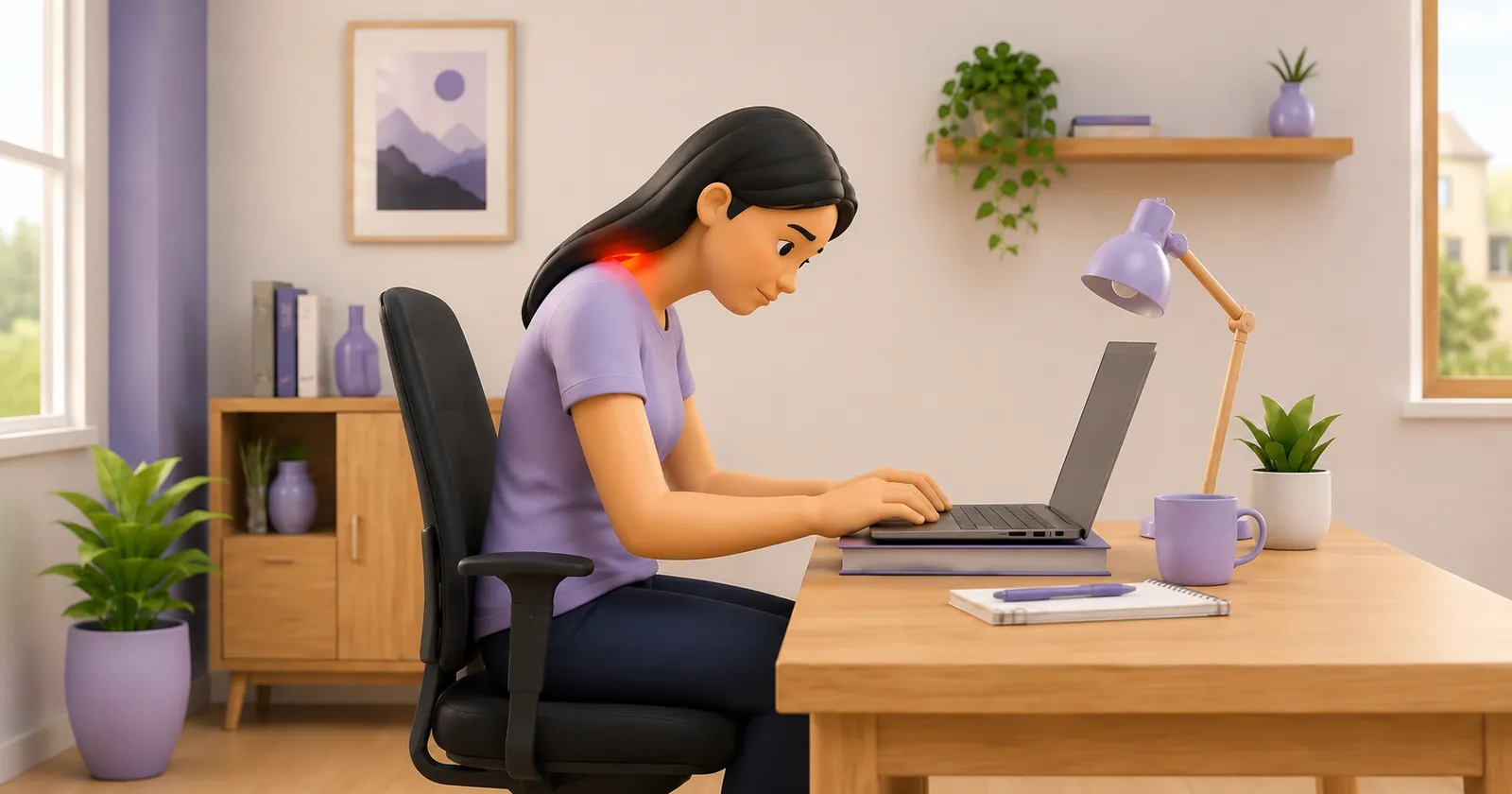
Neck pain is among the most frequent clinical presentations in outpatient physiotherapy across India, driven by long desk-working hours, two-wheeler commutes, and smartphone usage. However, treating neck pain effectively requires distinguishing between localized muscular strain and true cervical radiculopathy (nerve root compression).
Key clinical differences: radiculopathy vs postural strain
While postural neck strain originates in fatigued myofascial tissues, cervical radiculopathy involves chemical or mechanical irritation of a cervical spinal nerve root (typically C5, C6, or C7) by a herniated disc or spondylotic bone spur:
| Clinical Dimension | Postural Neck Strain (Myofascial) | Cervical Radiculopathy (Nerve Root) |
|---|---|---|
| Pain Location and Radiation | Localized to base of neck, upper trapezius, and interscapular region; does not travel below shoulder | Sharp, shooting, or burning pain radiating down the arm into the forearm, thumb, or fingers |
| Sensory Symptoms | Muscular stiffness, tight trigger points, generalized ache; zero numbness or tingling | Paresthesia (pins and needles) or sensory loss along a specific cutaneous dermatome (e.g. thumb/index finger) |
| Motor and Reflex Deficits | Normal deep tendon reflexes; no objective muscular weakness on manual muscle testing | Potential diminished biceps/triceps reflexes; weakness in wrist extension, grip, or triceps |
| Aggravating Factors | Prolonged static desk sitting, sleeping with inadequate pillow support, fatigue toward evening | Neck extension and lateral rotation toward the affected side (closing the neural foramen) |
| Primary Physiotherapy Strategy | Deep myofascial release, ergonomic adjustment, scapular retraction, trapezius stretching | Cervical traction, neural sliders (neurodynamics), directional preference exercises, postural unloading |
Understanding cervical nerve dermatomes (C5 to C8)
When a spinal nerve root is compressed, symptoms follow predictable neurological pathways down the upper extremity. The C6 nerve root is the most commonly irritated level, characteristically causing sharp pain radiating down the lateral forearm into the thumb and index finger, often accompanied by weakness in elbow flexion. Irritation of C7 produces discomfort radiating along the posterior arm into the middle finger with reduced triceps reflex response.
Cervical Retraction (Chin Tucks) in Neutral Spine
Objective: Decompress cervical facet joints and facilitate deep cervical flexor muscle activation.
- 1Sit tall in a supportive chair with your shoulders relaxed, back straight, and eyes looking straight ahead.
- 2Place two fingers lightly on your chin as a tactile guide.
- 3Gently glide your chin straight backward as if making a subtle double chin, imagining the back of your head lengthening toward the ceiling.
- 4Do not tilt your head up or look downward; the movement is purely horizontal.
- 5Hold the retracted position for 3 to 5 seconds, feeling a gentle stretch at the base of the skull, then release.
Median Nerve Slider (Gentle Neurodynamic Gliding)
Objective: Promote longitudinal nerve excursion without stretching or irritating sensitive neural tissue.
- 1Stand or sit upright. Raise your affected arm out to the side at shoulder height with your elbow bent at 90 degrees.
- 2Gently extend your wrist and fingers as if holding a tray, while tilting your head toward the same shoulder to keep tension off the nerve.
- 3Next, gently straighten your elbow while simultaneously tilting your head away toward the opposite shoulder.
- 4Move smoothly between these two positions in a rhythmic, continuous gliding motion.
- 5Never push into a sharp stretch or reproduce tingling sensations in your fingers.
Clinical boundaries, cervical myelopathy, and urgent red flags
Distinguishing nerve root compression from cervical spinal cord compression (cervical myelopathy) is critical for clinical safety. If you develop clumsy fingers (difficulty buttoning clothes or typing), loss of hand grip strength, progressive unsteadiness or stumbling when walking, bilateral arm symptoms, or bowel and bladder dysfunction, seek emergency neurosurgical evaluation immediately. These are cardinal signs of spinal cord compression requiring urgent imaging and surgical assessment. Physiotherapy is effective for radiculopathy and myofascial strain, but does not substitute for urgent medical care in the presence of myelopathic red flags.
Explore our comprehensive condition guide on neck pain, screen-induced postural fatigue, and home rehabilitation.
Neck pain clinical guide →Frequently asked questions
Can poor desk ergonomics cause true cervical radiculopathy?
Prolonged forward head posture dramatically increases compressive load on the lower cervical discs (up to 27 kg of effective weight), which can accelerate disc desiccation and foraminal narrowing over time.
Should I crack or forcefully twist my neck to relieve pain?
No. High-velocity self-manipulation can irritate sensitized nerve roots, strain facet joints, and cause reflex muscle guarding. Gentle active mobility and retraction exercises are significantly safer.
How many physiotherapy sessions are typically required for neck strain?
Simple muscular neck strain often shows noticeable relief within 3 to 6 sessions combined with home posture exercises. True cervical radiculopathy typically requires 6 to 12 weeks of structured neurodynamic and strengthening care.
When is an MRI scan necessary for neck pain?
An MRI is indicated if conservative therapy fails to produce improvement after 6 weeks, or immediately if progressive neurological weakness, severe radicular deficits, or signs of myelopathy appear.
Can a home visit physiotherapist treat cervical radiculopathy?
Yes. A licensed physiotherapist can perform neurological screening, deliver manual traction and postural unloading, guide neural sliders, and audit your home workstation setup.
Evidence reviewed 20 September 2026. General information only. BookPhysio.in is a booking platform, not a clinic.
Sources reviewed
North American Spine Society (NASS) Evidence-Based Clinical Guidelines for Cervical Radiculopathy; JOSPT Neck Pain Clinical Practice Guidelines; Indian Journal of Physiotherapy and Occupational Therapy.
Related condition guides

BookPhysio.in Editorial Team
Editorial Team
The BookPhysio.in editorial team writes and maintains this content, checking it against reliable clinical sources. Content follows our medical review policy: general information only, and no page claims a clinical review until a named registered physiotherapist has signed it off.
Read our medical review policy