
FADIR Test: Femoroacetabular Impingement (FAI) and Anterior Labral Tear Guide
In short
Femoroacetabular impingement (FAI) causes early hip cartilage damage in active adults. Learn how the FADIR test pinches the anterior labrum to diagnose cam and pincer morphology.
In this guide (8 sections)
Mechanics of Femoroacetabular Impingement (FAI)
Femoroacetabular impingement occurs when the femoral head and acetabulum abut abnormally during hip motion. Cam morphology involves an aspherical bony prominence at the femoral head-neck junction; Pincer morphology involves excessive acetabular over-coverage.
The FADIR test (Flexion, Adduction, Internal Rotation) deliberately drives the femoral neck against the anterosuperior acetabular rim, compressing the labrum.
FADIR Test Execution Technique
The patient lies supine with legs flat:
- Passive Flexion to 90°: The clinician passively flexes the patient hip and knee to 90 degrees.
- Adduction Across Midline: The clinician moves the hip into approximately 15 to 20 degrees of adduction across the body midline.
- Passive Internal Rotation: While maintaining flexion and adduction, the clinician gently rotates the lower leg outward, driving the hip into internal rotation.
- Positive Test: Reproduction of the patient characteristic sharp anterior groin pain or deep clicking confirms a positive test.
Diagnostic Power: The Rule-Out Tool
The FADIR test possesses an exceptionally high sensitivity (94 to 99 percent) but modest specificity. This makes it an ideal rule-out test: if a patient with hip or groin pain has a completely negative, pain-free FADIR test, intra-articular FAI or anterior labral tears are effectively ruled out.
Comparison with FABER Test
| Test Feature | FADIR Test | FABER Test | |
|---|---|---|---|
| Joint Motion | Flexion, Adduction, Internal Rotation | Flexion, Abduction, External Rotation | |
| Anatomy Stressed | Anterosuperior acetabular labrum & femoral neck | Anterior hip capsule vs Posterior sacroiliac joint | |
| Primary Symptom | Sharp anterior groin pinch | Groin pain (hip) or posterior buttock ache (SIJ) |
Frequently Asked Questions
Can FAI be managed without hip arthroscopy surgery?
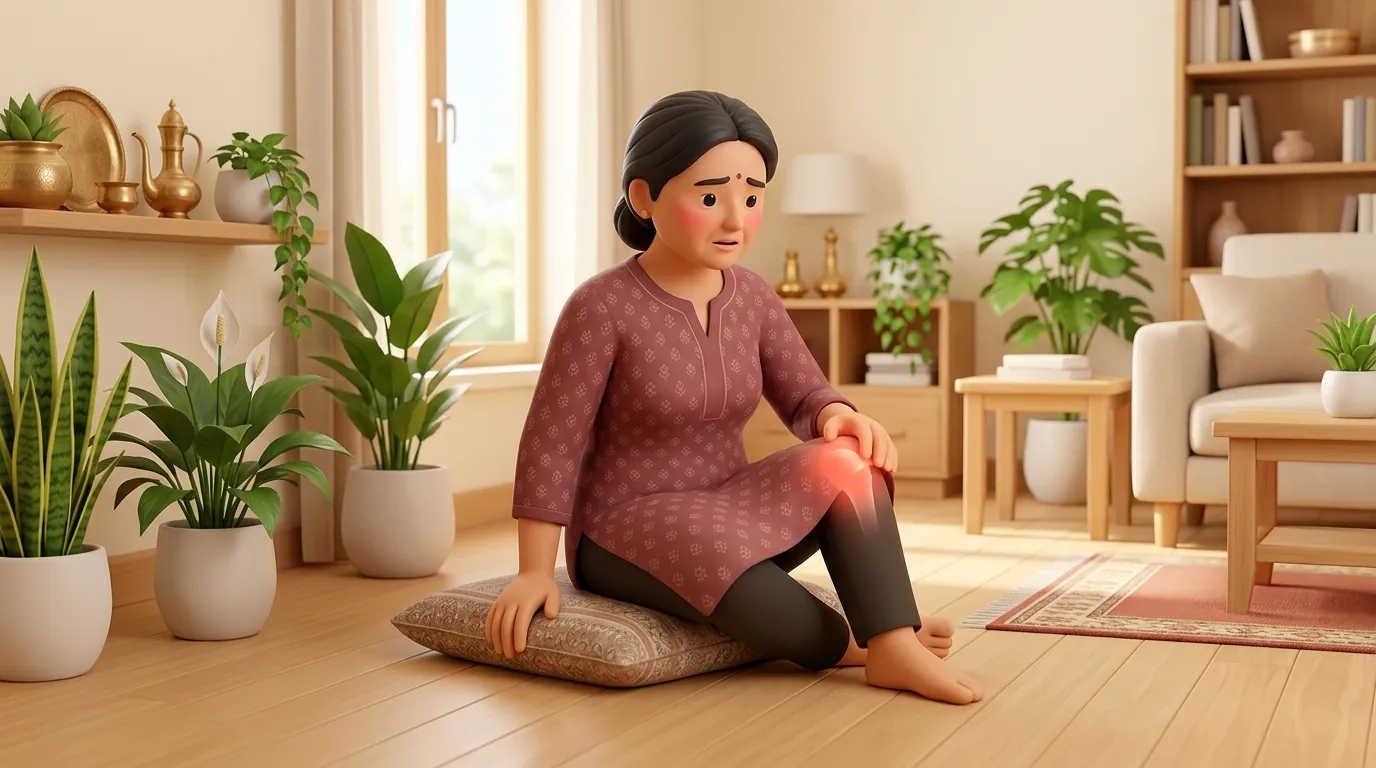
Yes. First-line conservative physiotherapy focusing on deep hip rotators strengthening, pelvic tilt control, and avoiding prolonged deep flexion postures (such as deep floor sitting or low chairs) resolves symptoms in up to 70 percent of patients.
Why does sitting in low car seats hurt people with positive FADIR tests?
Low bucket seats force the hip into more than 90 degrees of flexion combined with adduction, replicating the provocative FADIR posture for hours during daily driving.
Patho-anatomy: Cam vs Pincer Morphology
Cam morphology consists of an abnormal bony bump at the anterosuperior femoral head-neck junction that shears the acetabular labrum during hip flexion. Pincer morphology involves excessive acetabular over-coverage that crushes the labrum like a nutcracker. Both variants cause early articular cartilage delamination.
Conservative Physiotherapy (Warwick Agreement)
International consensus guidelines support at least 3 months of active physiotherapy before considering hip arthroscopy. Training emphasizes lumbo-pelvic dissociation, anterior pelvic tilt control, deep gluteal endurance, and avoiding repetitive end-range hip flexion.
Differential Diagnosis: Sports Hernia and Adductor Pain
Anterior groin pain often stems from concurrent athletic pubalgia (sports hernia) or adductor longus tendinopathy. Resisted adduction testing and abdominal wall palpation help distinguish extra-articular groin pathology from true intra-articular FAI.
Related condition guides


Related recovery guides & articles
BookPhysio.in Editorial Team
The BookPhysio.in editorial team writes and maintains this content, checking it against reliable clinical sources. Content follows our medical review policy: general information only, and no page claims a clinical review until a named registered physiotherapist has signed it off.
Read our medical review policy