
Interstitial Cystitis / Bladder Pain Syndrome (IC/BPS): Pelvic Floor Myofascial Release & Bladder Pacing
In short
Severe bladder pressure, burning pain, and urinating 30 times a day with negative infection cultures. Learn why pelvic floor physiotherapy is the recognized first-line therapy for IC/BPS.
In this guide (5 sections)
Understanding Interstitial Cystitis / Bladder Pain Syndrome
Interstitial Cystitis / Bladder Pain Syndrome (IC/BPS) is a debilitating chronic condition characterized by pain, pressure, or discomfort perceived in the urinary bladder, accompanied by persistent urinary urgency and extreme daytime/nighttime frequency, in the proven absence of urinary tract infection (UTI) or other identifiable pathology.
Historically viewed strictly as a bladder epithelial lining defect (such as glycosaminoglycan layer breakdown or Hunner's lesions), major clinical trials funded by the NIH MAPP (Multidisciplinary Approach to the Study of Chronic Pelvic Pain) Research Network have revolutionized our understanding: up to 85 percent of IC/BPS patients suffer from non-Hunner's pelvic floor myofascial pain and systemic neuro-inflammatory upregulation.
The Bladder-Pelvic Floor Reflex Crosstalk
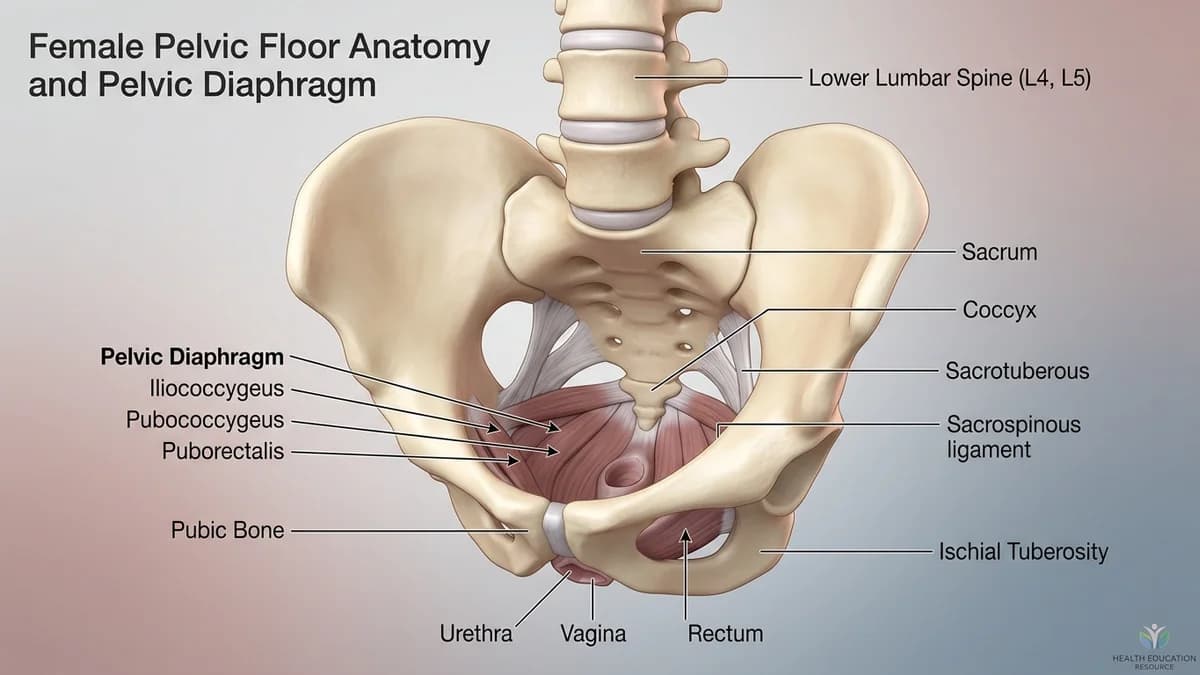
Because the bladder and pelvic floor share common sensory and motor innervation via the sacral parasympathetic and pudendal nerves (S2-S4), a vicious cycle develops: primary bladder irritation provokes protective pelvic floor muscle hypertonicity and spasm.
In turn, hyperactive levator ani and obturator internus muscles with active myofascial trigger points compress local neurovascular bundles and refer intense burning pain back to the bladder dome and urethra, mimicking a permanent infection.
| Guideline Tier | Recommended Clinical Interventions | Contraindicated Treatments | |
|---|---|---|---|
| First-Line (Behavioural & Pacing) | Patient education, stress management, fluid pacing, dietary modification | Restrictive water starvation | |
| Second-Line (Physiotherapy) | Manual pelvic floor myofascial physiotherapy; trigger point release | Strengthening Kegel exercises (strictly contraindicated!) | |
| Third-Line (Medical / Pharmacotherapy) | Oral amitriptyline, hydroxyzine, or pentosan polysulfate sodium | Prolonged courses of antibiotics for negative cultures | |
| Fourth-Line (Bladder Instillations) | Heparin, lidocaine, sodium hyaluronate instillations | High-pressure, long-duration hydrodistension | |
| Surgical Modalities | Hunner's lesion fulguration; sacral neuromodulation (refractory only) | Major cystoplasty or radical cystectomy (last resort) |
Why Standard Kegel Exercises are Strictly Prohibited
The American Urological Association guidelines state unequivocally that pelvic floor strengthening exercises (Kegels) must be strictly avoided in patients with IC/BPS.
Squeezing already contracted, ischaemic pelvic muscles further restricts microvascular blood flow, triggers excruciating pain flares, and worsens urinary urgency and frequency.
- Internal Myofascial Trigger Point Release: A pelvic floor physiotherapist applies sustained digital ischemic compression to trigger points within the puborectalis, obturator internus, and iliococcygeus muscles, releasing muscle tension.
- External Abdominal and Adductor Release: Releasing tight fascial restrictions along the rectus sheath, pyramidalis, and medial thigh adductors restores comfortable bladder expansion space.
- Diaphragmatic Drop Breathing: Deep 360-degree rib and pelvic breathing lowers autonomic sympathetic drive and encourages reflexive pelvic floor lengthening.
Bladder Pacing and Dietary Management
Patients learn to identify and pace common acidic bladder irritants (coffee, tea, tomatoes, citrus, artificial sweeteners) without overly restricting water intake, balancing fluid timing to maintain non-concentrated urine throughout the day.
Frequently Asked Questions
Why do my urine tests keep coming back negative if it burns like a UTI?
In IC/BPS, the burning sensation is produced by irritated nerve endings and severely tight pelvic floor muscles pressing against your urethra and bladder neck, rather than an active bacterial infection.
How long does physiotherapy take to relieve bladder pain?
Clinical trials demonstrate that 10 to 12 weeks of weekly specialized pelvic floor physiotherapy produces significant, lasting reductions in bladder pain, urgency, and voiding frequency in the vast majority of patients.
Can stress cause an IC flare-up?
Yes. Stress triggers the sympathetic nervous system, releasing cortisol and activating mast cells around the bladder lining, while simultaneously causing you to unconsciously clench your pelvic floor muscles.
Related condition guides


Related recovery guides & articles
BookPhysio.in Editorial Team
The BookPhysio.in editorial team writes and maintains this content, checking it against reliable clinical sources. Content follows our medical review policy: general information only, and no page claims a clinical review until a named registered physiotherapist has signed it off.
Read our medical review policy