
Surface EMG Biofeedback for Pelvic Floor Dysfunction: Baseline Resting Tone & Motor Recruitment
In short
You cannot change what you cannot feel. Discover how surface EMG biofeedback transforms invisible pelvic floor muscle activity into clear visual cues to cure leaks and pain.
In this guide (5 sections)
The Challenge of Pelvic Proprioceptive Blindness
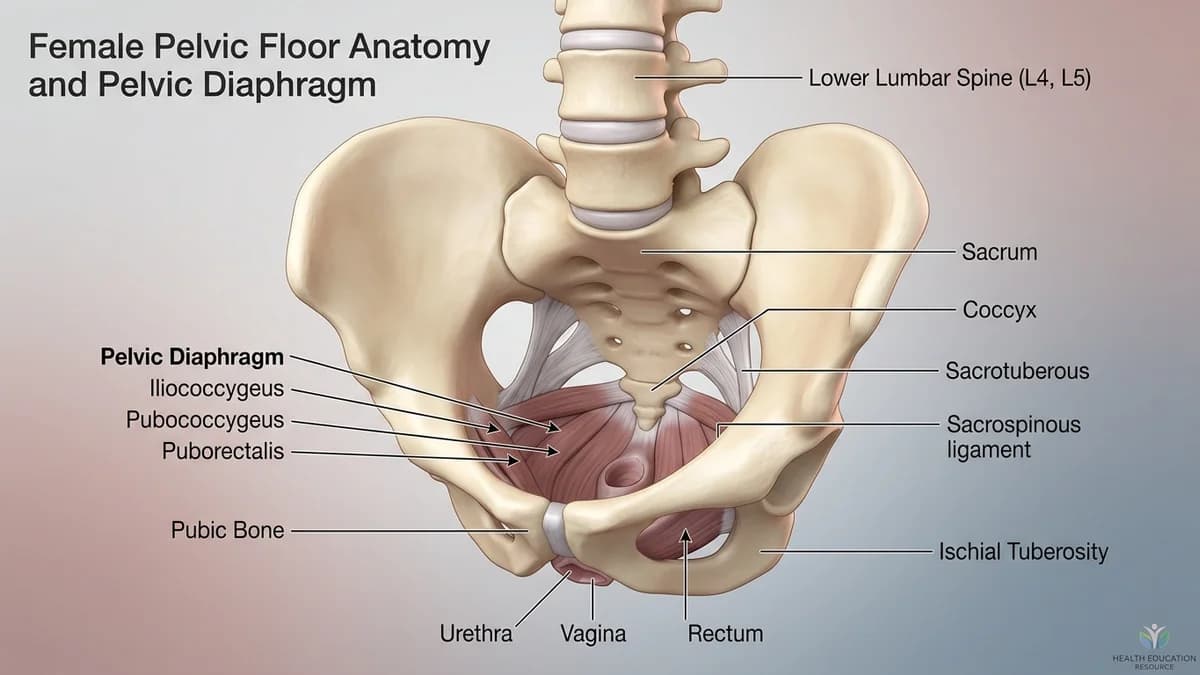
The pelvic floor muscles lie concealed deep within the bony pelvis, lacking the external visual feedback that guides the training of arm or leg muscles. Research indicates that when given simple verbal instructions to contract their pelvic floor, more than 40 percent of women unconsciously bear down (perform a Valsalva), tighten their gluteals, or hold their breath instead.
Surface electromyography (sEMG) biofeedback provides real-time objective measurement of the electrical activity generated during muscle depolarization, bridging the neuromuscular communication gap between the brain and the pelvic bowl.
Understanding the sEMG Waveform: Microvolts (uV) and Resting Tone
A specialized internal vaginal or anal sensor records electrical amplitude in microvolts (uV). A thorough clinical assessment evaluates three distinct physiological phases: baseline resting tone, peak voluntary contraction, and post-contraction return to resting baseline.
In a healthy pelvic floor, baseline resting tone is low (typically under 2.0 uV), peak recruitment reaches 25 to 40 uV with rapid onset, and post-effort relaxation returns cleanly to the low baseline within 1 to 2 seconds.
| Electromyographic Pattern | Baseline Resting Tone | Peak Contraction (uV) | Underlying Clinical Condition | Therapeutic Protocol | |
|---|---|---|---|---|---|
| Normotonic Pelvic Floor | 1.0 to 2.0 uV | 25 to 40 uV (clean relax) | Normal function | General maintenance conditioning | |
| Hypotonic (Underactive) | < 1.5 uV | < 10 to 15 uV (weak, fatigued) | Stress urinary incontinence, POP | High-load motor recruitment and power drills | |
| Hypertonic (Overactive) | > 3.0 to 7.0+ uV | Elevated but shallow delta | Vaginismus, pelvic pain, IC/BPS | Down-training; diaphragmatic drop biofeedback | |
| Dyssynergic / Paradoxical | Fluctuating high tone | Spikes during bearing down | Obstructed defecation, anismus | Defecatory push retraining with biofeedback |
Down-Training vs Up-Training Applications
Biofeedback is bidirectional: it is equally powerful for building strength (up-training) as it is for releasing chronic spasm (down-training).
For women with chronic pelvic pain or vaginismus, the game-like biofeedback software teaches them how to consciously drive the waveform downward below 2.0 uV using deep belly exhalations and mind-body relaxation.
- Isolation from Accessory Muscles: Additional external reference electrodes placed over the rectus abdominis and gluteus maximus confirm that the patient is contracting the pelvic floor in true isolation without compensatory bracing.
- Coordination and Flick Drills: Rapid, 1-second burst contractions improve the recruitment velocity of Type II fast-twitch muscle fibers, which are essential for arresting sudden cough-induced leaks.
- Endurance Plateau Holding: Sustaining a steady 60 to 70 percent contraction for 10 consecutive seconds without waveform jitter trains Type I postural fibers.
Translating Biofeedback into Real-World Movement
The ultimate goal of biofeedback is weaning the patient off the machine. Once clean muscle awareness is ingrained on the monitor, the therapist challenges the patient to replicate identical recruitment while sitting, standing, squatting, and coughing.
Frequently Asked Questions
Does sEMG biofeedback involve electrical stimulation or shock?
No. Surface EMG biofeedback does not emit any electrical current or shock; it is purely a listening sensor that reads the tiny natural electrical signals produced by your own contracting muscles.
How many biofeedback sessions does it take to see results?
Most patients achieve clear, accurate motor control within 3 to 4 sessions, with measurable functional improvements in bladder control and pain reduction appearing by weeks 6 to 8.
Can I do sEMG biofeedback at home?
While initial diagnostic assessment and calibration require clinical equipment with a specialized physiotherapist, portable, app-connected home biofeedback trainers can be prescribed for ongoing maintenance.
Related condition guides


Related recovery guides & articles
BookPhysio.in Editorial Team
The BookPhysio.in editorial team writes and maintains this content, checking it against reliable clinical sources. Content follows our medical review policy: general information only, and no page claims a clinical review until a named registered physiotherapist has signed it off.
Read our medical review policy