
Juvenile Idiopathic Arthritis: Joint Protection, Flare Management and Hydrotherapy
In short
Juvenile Idiopathic Arthritis causes persistent joint inflammation in children. Learn acute flare exercise modifications, joint preservation, and pool therapy.
In this guide (4 sections)
Understanding Juvenile Idiopathic Arthritis (JIA)
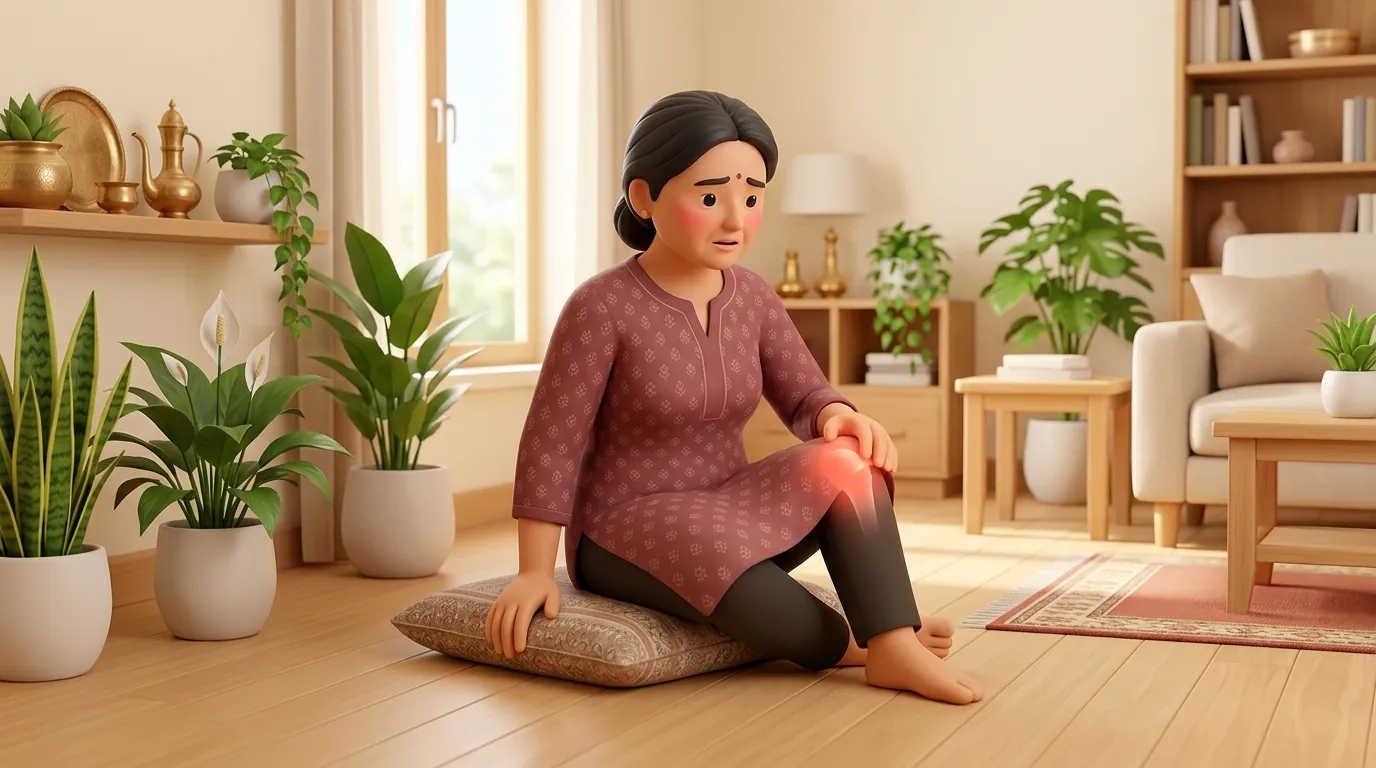
Juvenile Idiopathic Arthritis (JIA) is an umbrella term for persistent autoimmune inflammatory arthritis in children under 16 years of age lasting at least 6 weeks.
Subtypes include Oligoarthritis (affecting 4 or fewer joints, commonly knees and ankles), Polyarthritis (5 or more joints, often symmetrical), and Systemic JIA (associated with daily spiking fevers and salmon-pink rash). Inflammation produces morning stiffness, joint swelling, joint contractures, and leg length discrepancies due to accelerated epiphyseal growth.
Exercise Modification: Active Flare vs Clinical Remission
Physiotherapy must be adapted to the inflammatory state of the joints to preserve joint architecture without provoking synovial inflammation.
| Disease Phase | Clinical Presentation | Permitted Exercise Modalities | Restricted Activities | |
|---|---|---|---|---|
| Acute Flare Phase | Hot, swollen, tender joint with effusion; pronounced morning stiffness. | Pain-free active-assisted ROM, submaximal isometrics, cold packs, resting splints. | High-impact running, jumping, heavy resistance loading, aggressive passive stretching. | |
| Subacute Recovery | Reduced warmth and swelling; improving active range of motion. | Low-impact cycling, gentle aquatic exercise, progressive active resistive exercise. | Contact sports, repetitive impact loading. | |
| Clinical Remission | No active synovitis; normal inflammatory markers; minimal stiffness. | Full sports participation, progressive bone-loading resistance, jumping drills. | Unrestricted activity with monitoring for recurrent joint warmth. |
Joint Protection Strategies in Daily Life
Educating children and families on joint conservation techniques prevents permanent articular cartilage and ligamentous deformation.
- Use Larger, Stronger Joints: Carry school bags with two wide, padded shoulder straps across the back rather than holding handles with small finger joints.
- Avoid Sustained Pinch Grips: Use ergonomic thick-barrel pens, foam pencil grips, and book stands to reduce strain on inflamed PIP and DIP finger joints.
- Heated Hydrotherapy Benefits: Exercising in water heated to 32 to 34 degrees Celsius relieves morning stiffness, unloads lower extremity joints through hydrostatic buoyancy, and permits full-range active movement.
Frequently Asked Questions
Why is eye screening essential in children with JIA?
Children with oligoarthritis (especially ANA-positive girls) are at high risk for asymptomatic chronic anterior uveitis, an eye inflammation that can lead to blindness if not detected by regular slit-lamp examinations.
Does JIA cause leg length discrepancies?
Yes. Chronic hyperemia around an inflamed knee can accelerate epiphyseal growth plate activity, causing the affected leg to grow longer than the unaffected side.
Should children with JIA be excused from physical education classes?
No. Complete exclusion promotes physical deconditioning and social isolation. Activities should be modified during flares, with full participation encouraged during remission.
Related condition guides


Related recovery guides & articles
BookPhysio.in Editorial Team
The BookPhysio.in editorial team writes and maintains this content, checking it against reliable clinical sources. Content follows our medical review policy: general information only, and no page claims a clinical review until a named registered physiotherapist has signed it off.
Read our medical review policy