
Multiple Sclerosis Fatigue: The Modified Fatigue Impact Scale and Energy Conservation Protocols
In short
Fatigue affects up to 90 percent of Multiple Sclerosis patients, severely disrupting employment and daily life. Learn central lassitude mechanisms, MFIS staging, and energy conservation.
In this guide (5 sections)
Understanding Central Fatigue (Lassitude) in Multiple Sclerosis
Fatigue is the most common and disabling symptom of Multiple Sclerosis, reported by over 80 percent of individuals and cited as the leading cause of early retirement and unemployment.
MS fatigue is fundamentally distinct from ordinary tiredness: clinical lassitude is a crushing, overwhelming sense of exhaustion that occurs independently of physical exertion, is aggravated by warmth, and does not resolve with standard sleep.
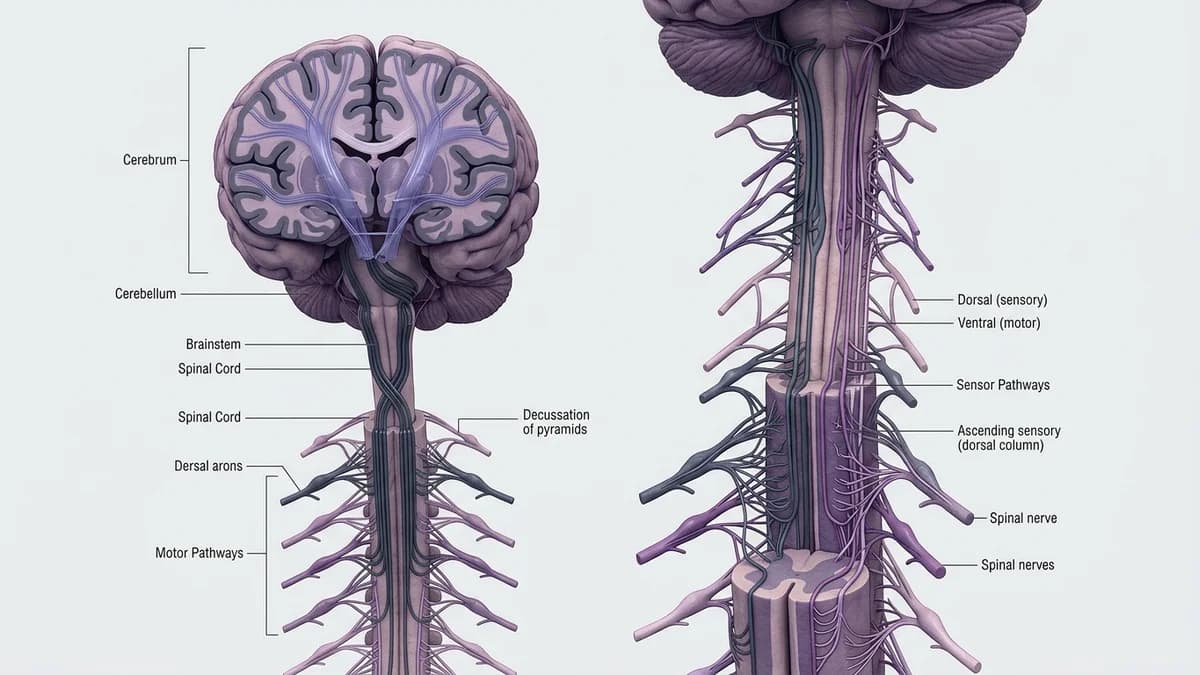
Pathophysiologically, central fatigue arises from widespread demyelinating lesions disrupting thalamocortical networks, chronic neuro-inflammation (elevated circulating TNF-alpha and interferon-gamma), and increased central motor drive required to recruit demyelinated motor pathways.
The Modified Fatigue Impact Scale (MFIS) Assessment
The MFIS is a 21-item validated multidimensional questionnaire that measures the impact of fatigue across physical, cognitive, and psychosocial domains over the preceding 4 weeks.
| MFIS Subscale | Items & Score Range | Clinical Focus of Assessment | Target Physiotherapy Intervention | |
|---|---|---|---|---|
| 1. Physical Subscale | 9 items (0 to 36 points) | Impairment in physical endurance, mobility, and muscle stamina | Submaximal aerobic training; cooling vests; gait energy conservation. | |
| 2. Cognitive Subscale | 10 items (0 to 40 points) | Mental concentration, processing speed, memory, and executive focus | Task breakdown; cognitive rest breaks; quiet environments. | |
| 3. Psychosocial Subscale | 2 items (0 to 8 points) | Motivation, social participation, and domestic relationship strain | Family education; support groups; graded community outings. | |
| Total Composite Score | 21 items (0 to 84 points) | Score >= 38 points indicates clinically significant, disabling fatigue | Initiate formal Energy Conservation Protocol alongside medical therapy. |
The 4 Ps of Energy Conservation in Daily Living
Managing fatigue requires viewing available energy as a finite daily 'currency' that must be budgeted deliberately rather than exhausted in a single morning burst.
- 1. Pacing (Avoid Boom-and-Bust Cycles): Break large activities into smaller intervals, alternating 20 minutes of light activity with 10 minutes of restorative seated or recumbent rest before fatigue sets in.
- 2. Planning (Strategic Scheduling): Schedule demanding physical or cognitive tasks during morning peak energy windows; avoid cramming multiple appointments into the same day.
- 3. Prioritizing (Delegating and Eliminating): Distinguish essential daily needs from non-essential chores; delegate heavy domestic tasks (floor cleaning, grocery shopping) to attendants or family members.
- 4. Positioning (Ergonomic Efficiency): Sit down to perform tasks traditionally done standing (ironing clothes, peeling vegetables, showering on a bath bench) to reduce energy expenditure by 25 percent.
Indian Domestic Chores and Cultural Dynamics
In Indian multi-generational households, female MS patients often struggle with guilt when unable to perform prolonged kitchen cooking, sweeping, or pooja preparation.
Physiotherapists provide family counseling, demonstrating that energy-efficient adaptations allow the patient to participate meaningfully without triggering multi-day functional collapses.
Frequently Asked Questions
How does exercise help if an MS patient is already constantly exhausted?
Paradoxically, structured submaximal exercise reduces overall MS fatigue by 30 to 40 percent. It reverses secondary disuse deconditioning, increases mitochondrial density, and optimizes neuromuscular efficiency, meaning routine movements require less mental effort.
What is the difference between primary and secondary MS fatigue?
Primary fatigue is direct neuro-inflammation and axonal disruption from MS itself. Secondary fatigue is caused by treatable complications: sleep apnea, nocturnal bladder spasms, depression, medication side effects, or thyroid disorders.
Can daytime power naps help manage MS fatigue?
Yes. A scheduled 20 to 30 minute rest or light nap in a cool, quiet room in the early afternoon restores alertness without disrupting nocturnal sleep architecture.
Related condition guides


Related recovery guides & articles
BookPhysio.in Editorial Team
The BookPhysio.in editorial team writes and maintains this content, checking it against reliable clinical sources. Content follows our medical review policy: general information only, and no page claims a clinical review until a named registered physiotherapist has signed it off.
Read our medical review policy