
Perimenopause Joint Pain and Musculoskeletal Syndrome: Oestrogen Drop, Stiff Joints, and Physio Solutions
In short
Sudden morning joint aches and frozen shoulder during perimenopause are driven by oestrogen decline, not old age. Discover targeted joint and tendon physiotherapy.
In this guide (5 sections)
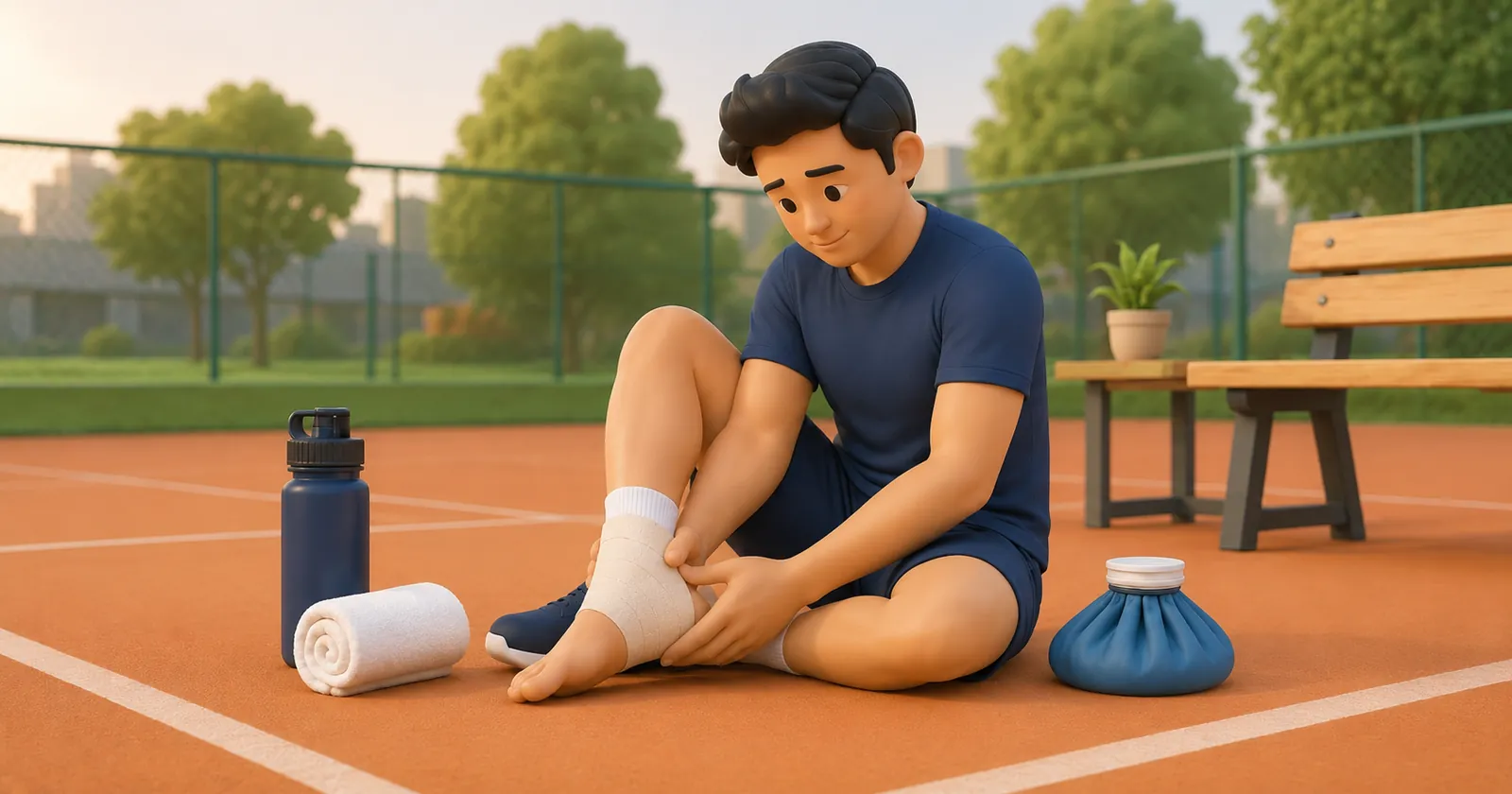
Between the ages of 42 and 52, millions of Indian women experience a bewildering, sudden onset of widespread musculoskeletal pain. Waking up in the morning, their fingers feel stiff and swollen, their knees ache when descending stairs, their lower backs feel locked, and one shoulder becomes agonizingly stiff and unable to reach overhead or fasten a bra. Frustrated and alarmed, they visit multiple doctors, fearing they have developed crippling rheumatoid arthritis or incurable degenerative osteoarthritis.
Yet, when inflammatory blood tests (ESR, CRP, Rheumatoid Factor, anti-CCP) return completely normal, they are frequently dismissed with comments like "it is just your age" or prescribed temporary pain relievers and calcium supplements. In modern reproductive rheumatology, this phenomenon is now officially recognized as the "Musculoskeletal Syndrome of Menopause" (MSM): a direct biological consequence of plunging oestrogen levels on joints, tendons, and cartilage. Specialized physiotherapy, load management, and tendon conditioning restore pain-free movement.
1. Pathophysiology: Oestrogen Receptors in Tendons, Synovium, and Cartilage
Oestrogen is traditionally viewed purely as a reproductive hormone, but it is actually one of the most potent anti-inflammatory, anabolic hormones in female musculoskeletal physiology. High concentrations of Oestrogen Receptor Beta (ER-beta) are densely expressed across articular cartilage chondrocytes, synovial lining cells, ligamentous collagen fibers, and tenocytes (tendon cells).
Oestrogen directly stimulates type I collagen synthesis, maintains the viscoelastic water content of joint cartilage, and regulates the production of synovial fluid lubricin. Furthermore, oestrogen actively dampens pro-inflammatory cytokines: specifically Interleukin-1 beta (IL-1b), Interleukin-6 (IL-6), and Tumour Necrosis Factor-alpha (TNF-a).
During perimenopause, circulating oestrogen drops erratically by over 90 percent. As oestrogen recedes, joint tissues suffer a triple blow: 1. Articular cartilage loses hydration and thin rapidly. 2. Tendon compliance decreases, making tendons stiff, brittle, and prone to micro-tearing (precipitating sudden Achilles tendinopathy, plantar fasciitis, and rotator cuff tears). 3. Synovial membranes enter a hyper-reactive inflammatory state: explaining the dramatic epidemiological spike in Frozen Shoulder (Adhesive Capsulitis) among women in their late forties.
| Menopausal Stage | Hormonal Biological Profile | Musculoskeletal Presentation | Targeted Physiotherapy Protocol |
|---|---|---|---|
| Early Perimenopause (Ages 42 to 46) | Fluctuating, erratic oestrogen peaks and troughs | Transient morning finger stiffness; recurring mild tendon aches | Joint mobility drills, low-load resistance training, hydration, pacing |
| Late Perimenopause (Ages 46 to 50) | Sharp precipitous fall in estradiol; low progesterone | High incidence of Adhesive Capsulitis (frozen shoulder), plantar heel pain | Isometric tendon loading for pain relief; progressive capsular glides |
| Postmenopause (Age 51+) | Permanently low circulating oestrogen; elevated FSH | Generalised joint stiffness, osteopenia, sarcopenic muscle loss | Hypertrophic resistance training, heavy tendon loading, impact exercises |
2. Indian Clinical Misconceptions: Dismissal as "Vata Dosha" or Normal Ageing
In Indian society, women's health concerns during midlife are routinely minimized. Family members and traditional practitioners frequently chalk up perimenopausal joint aches to normal ageing or simple "Vata dosha imbalance," instructing women to endure the pain stoically and drink turmeric milk. Because menopause remains a cultural taboo rarely discussed openly between mothers, daughters, or male physicians, women suffer in silence.
Concurrently, many women react to sudden joint pain by becoming completely sedentary, fearing that movement will "wear down their joints further." In reality, prolonged rest is the worst possible response: immobilisation accelerates cartilage thinning, stiffens tendons, and causes muscle atrophy, trapping the woman in a downward spiral of increasing fragility and pain.
Clinical physiotherapy restores joint vitality through targeted movement: using the mechanical pumping action of exercise to circulate synovial fluid and nourish thirsty articular cartilage.
3. Three-Phase Tendon Conditioning and Joint Rejuvenation Protocol
Three-Phase Perimenopausal Joint Mobility and Tendon Strength Protocol
Objective: Relieve morning joint stiffness, stimulate tendon collagen synthesis, and restore full functional mobility.
- 1Phase 1 (Morning Synovial Fluid Activation - Daily Upon Waking): Before stepping out of bed, lubricate your joints with gentle, unweighted synovial pumping: 1. Ankle Pumps and Circles: pump feet up and down 20 times to circulate lower limb fluid. 2. Gentle Knee Hugs: draw knees toward chest alternately 10 times to warm up hip and knee joints. 3. Finger Tendon Glides: open hands wide, then make a fist, then bend only the middle knuckles into a "hook fist"; repeat 15 times to eliminate morning finger stiffness.
- 2Phase 2 (Isometric Tendon Loading for Pain Relief - 4 Days Weekly): Isometric muscle contractions stimulate an immediate analgesic (pain-relieving) neurochemical response in stiff menopausal tendons: 1. Wall Sit: lean your back against a wall with knees bent at a comfortable 45 to 60 degrees; hold for 30 to 45 seconds without moving; rest 1 minute; repeat 4 times; this relieves patellar tendon and knee pain. 2. Isometric Shoulder Push: stand beside a doorframe; press the back of your wrist outward into the frame (shoulder external rotation) at 70% effort; hold 30 seconds; repeat 3 times.
- 3Phase 3 (Progressive Full-Body Resistance Training - 3 Days Weekly): Rebuild lost muscle and stimulate bone density: perform 3 sets of 8 to 10 repetitions of Goblet Squats, Romanian Deadlifts, Dumbbell Rows, and Overhead Presses with moderate weights. Progressive load signals tenocytes to synthesize fresh Type I collagen even in the presence of low oestrogen.
- 4Hydration and Protein Cue: Tendons require adequate systemic hydration and amino acids. Drink 2.5 to 3 litres of water daily and ensure 25 to 30 grams of protein per meal to provide the building blocks for collagen synthesis.
4. Critical Red Flags: Distinguishing Hormonal Aches from Inflammatory Arthritis
Because autoimmune inflammatory diseases can also debut during midlife, clinical differentiation is vital. Seek specialist rheumatological evaluation if you experience morning joint stiffness that lasts longer than 60 minutes after waking, visible red, hot, swollen joint effusions in multiple small joints of both hands or wrists simultaneously (suggestive of Rheumatoid Arthritis), high fever, unexplained weight loss, or persistent skin rashes (such as a butterfly facial rash suggestive of Systemic Lupus Erythematosus), or severe, sudden localized pain in a single joint accompanied by fever, chills, and inability to bear weight (indicating Septic Arthritis).
Frequently Asked Questions
Why does Frozen Shoulder (Adhesive Capsulitis) strike women so often during perimenopause?
Oestrogen receptors are abundant inside the glenohumeral joint capsule. When oestrogen drops precipitously, the capsule experiences an acute, hyper-reactive inflammatory contracture. The capsule thickens, shortens, and develops dense adhesions, severely locking shoulder rotation and abduction in women aged 45 to 55.
Can Hormone Replacement Therapy (HRT) cure perimenopausal joint pain?
Hormone Replacement Therapy (HRT / MHT) restores circulating oestrogen levels and significantly relieves joint aches and stiffness in up to 70 percent of perimenopausal women. However, HRT should always be paired with active physiotherapy to strengthen supporting muscles and remodel deconditioned tendons.
Why do my blood tests come back completely normal if my joints hurt so much?
Standard inflammatory blood markers (ESR, CRP, Rheumatoid Factor) measure systemic autoimmune inflammation. Musculoskeletal Syndrome of Menopause is driven by localized hormone-receptor deprivation in tendons and cartilage rather than an autoimmune attack, which is why blood tests remain normal despite genuine physical pain.
Is it safe to lift weights if my knees and shoulders feel stiff and painful?
Yes, when performed correctly! Tendons and joints require mechanical load to stimulate repair and synthesize lubricating synovial fluid. Working with a physiotherapist ensures you use appropriate weights, perfect form, and isometric pauses that relieve pain rather than aggravate it.
How do I connect with a menopause-informed physiotherapist via BookPhysio.in?
BookPhysio.in connects women across major Indian cities with certified musculoskeletal physiotherapists who specialize in midlife women's health, frozen shoulder recovery, and tendon rehabilitation. In-clinic sessions range from ₹400 to ₹1,500 and home visits range from ₹600 to ₹2,000, with direct per-visit payment and zero platform commission.
Related condition guides

BookPhysio.in Editorial Team
The BookPhysio.in editorial team writes and maintains this content, checking it against reliable clinical sources. Content follows our medical review policy: general information only, and no page claims a clinical review until a named registered physiotherapist has signed it off.
Read our medical review policy