
Third & Fourth Degree Perineal Tears (OASI): Anal Sphincter Rehab, Pelvic Floor Recovery & Healing
In short
Severe perineal tears involving the anal sphincter require dedicated, compassionate recovery care. Learn how specialized pelvic physiotherapy rebuilds anal sphincter continence and scar comfort.
In this guide (5 sections)
Classification of Perineal Tears and OASI
Perineal trauma occurs during vaginal childbirth, ranging from minor superficial mucosal abrasions to complex muscle disruptions. Obstetric Anal Sphincter Injuries (OASI) encompass third- and fourth-degree tears, affecting approximately 3 to 6 percent of primiparous vaginal births.
Third-degree tears involve disruption of the perineal muscles and the anal sphincter complex (categorized into 3a: <50% external anal sphincter; 3b: >50% external anal sphincter; and 3c: both external and internal anal sphincter torn). Fourth-degree tears involve complete disruption of both sphincters and the underlying anorectal mucosa.
Surgical Repair and Initial Healing Timeline
OASI injuries are surgically repaired in an operating theatre using overlapping or end-to-end suturing techniques. The primary goals during the first 6 weeks are protecting the surgical repair, preventing constipation, and promoting tissue perfusion.
Straining during defecation can disrupt healing sphincter sutures. Stool softeners (such as lactulose), adequate fluid intake, and strict avoidance of constipation are mandatory early protocols.
| Postpartum Phase | Clinical Focus | Approved Physiotherapy Actions | Contraindications | |
|---|---|---|---|---|
| Weeks 0 to 2 | Wound protection & swelling reduction | Ice packs (wrapped), gentle breathing, supported defecation | No sitting upright on hard chairs; no straining | |
| Weeks 2 to 6 | Gentle submaximal motor recruitment | Gentle submaximal anal sphincter squeezes, crook-lying TrA | No heavy lifting, high-impact exercise, or Kegel over-exertion | |
| Weeks 6 to 12 | Sphincter endurance & scar mobilization | Targeted anal biofeedback, gentle perineal scar massage | No high-impact running or jump training | |
| Months 3 to 6 | Full continence & functional loading | Progressive pelvic floor power, return to fitness drills | Halt if flatus or fecal leakage occurs |
Anal Sphincter Retraining Techniques
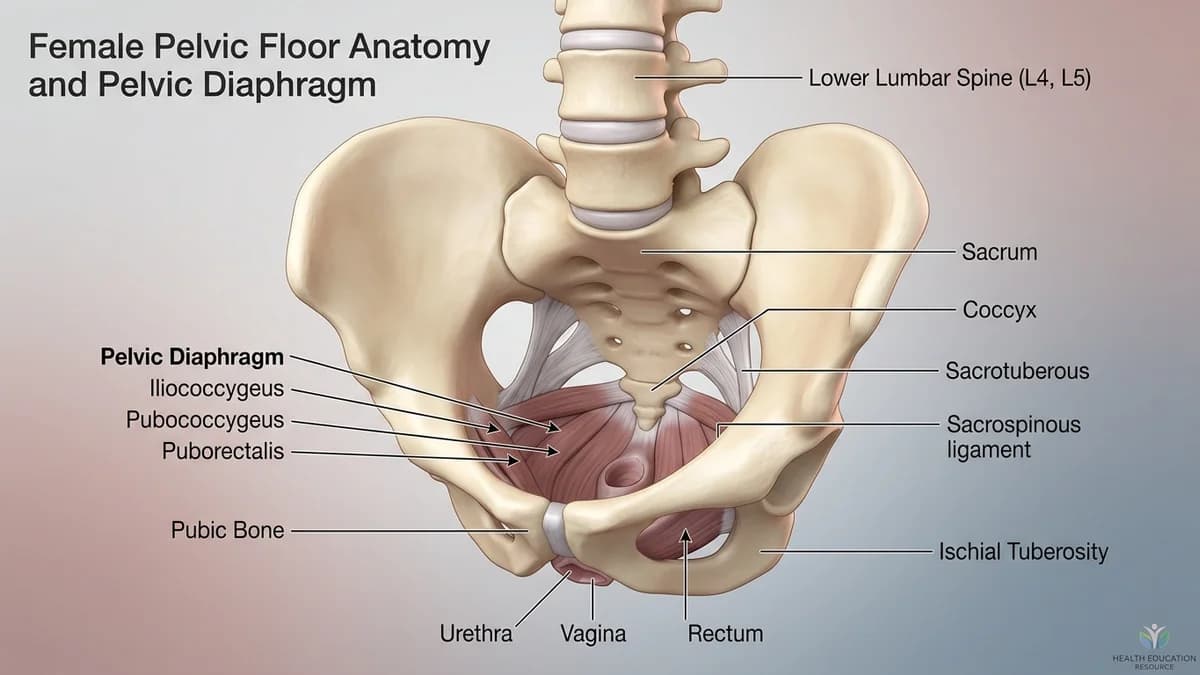
Physiotherapy focuses specifically on rebuilding neuromuscular coordination of the external anal sphincter and puborectalis muscles.
Patients practice isolated posterior pelvic floor contractions: visualizing 'closing and drawing inward the anus as if holding back gas,' holding for 5 seconds, followed by complete, conscious relaxation.
- Supported Defecation Mechanics: Use a footstool to elevate knees above hips; gently support the healing perineum with a clean sanitary pad during bowel movements to reduce outward stretch.
- Perineal Scar Desensitization: Beginning at 6 weeks post-clearance, gentle circular massage using vitamin E oil or unscented cream relieves fibrous tissue stiffness and dyspareunia.
- Fecal Urgency Drills: Graduated tolerance training to withstand rectal filling sensations without panicked rushing.
Long-Term Prognosis and Future Birth Planning
With timely surgical repair and dedicated pelvic physiotherapy, 60 to 80 percent of women regain full fecal and flatus continence by 12 months. When planning subsequent pregnancies, a multidisciplinary discussion reviewing endoanal ultrasound imaging, sphincter manometry, and residual symptoms guides the decision between a planned cesarean section or a supported vaginal birth.
Frequently Asked Questions
Is it normal to leak gas (flatus) after a 3rd degree tear?
Difficulty controlling flatus is common in the early weeks following OASI due to temporary sphincter swelling and nerve neuropraxia. Targeted pelvic physiotherapy significantly improves flatus control.
When can I begin having sexual intercourse after a severe tear?
Most clinicians recommend waiting at least 8 to 12 weeks until the wound has completely healed and perineal scar sensitivity has been managed with desensitization massage.
How do I know if my tear has reopened or become infected?
Seek immediate medical attention if you notice increasing throbbing pain, foul-smelling discharge, sudden incontinence of liquid stool, or separation of the wound edges.
Related condition guides


Related recovery guides & articles
BookPhysio.in Editorial Team
The BookPhysio.in editorial team writes and maintains this content, checking it against reliable clinical sources. Content follows our medical review policy: general information only, and no page claims a clinical review until a named registered physiotherapist has signed it off.
Read our medical review policy