
Post-Polio Syndrome (PPS): Halstead Criteria, Giant Motor Unit Breakdown and Orthotics
In short
Decades after recovering from acute poliomyelitis, survivors face new weakness, fatigue, and pain. Learn Halstead criteria, why over-exercising accelerates decline, and orthotic care.
In this guide (5 sections)
The Epidemiology of Post-Polio Syndrome in India
India was declared officially polio-free by the World Health Organization in 2014 following monumental pulse-polio vaccination campaigns. However, hundreds of thousands of Indians who contracted paralytic poliomyelitis during the 1960s, 70s, and 80s are now entering their 50s and 60s.
Post-Polio Syndrome (PPS) is a distinct neurological disorder affecting 25 to 40 percent of paralytic polio survivors, emerging 15 to 40 years after acute infection.
Pathophysiologically, acute polio destroyed anterior horn cells; surviving motor neurons compensated through massive collateral axonal sprouting, creating 'giant motor units' innervating up to 10 to 20 times their normal number of muscle fibers.
Decades of chronic metabolic overuse eventually cause these overworked axonal sprouts to disintegrate, leading to permanent muscle fiber denervation.
The Halstead Diagnostic Criteria for PPS
Diagnosis requires meeting strict clinical criteria to differentiate PPS from ordinary aging or musculoskeletal overuse.
| Diagnostic Criterion | Clinical Verification | Required Patient Presentation | Exclusion Rules | |
|---|---|---|---|---|
| 1. Prior Paralytic Polio | Documented history of acute polio in childhood | Confirmed by history, residual atrophy, and chronic EMG changes | Must have had acute paralytic illness. | |
| 2. Period of Stability | Complete or partial functional recovery followed by >= 15 years | Stable neurological and physical functioning for at least 15 years | Excludes unrecovered childhood deficits. | |
| 3. Gradual Onset New Deficits | New progressive muscle weakness, abnormal muscle fatigue, or pain | Can involve previously affected AND clinically unaffected limbs | Slow insidious onset over months to years. | |
| 4. Complete Exclusion | Differential testing (TSH, spine MRI, diabetic screen, ALS check) | Symptoms cannot be explained by any other medical/orthopedic illness | Rule out cervical stenosis, radiculopathy, thyroid disease. |
The Non-Fatiguing Exercise Protocol: 'No Pain, More Gain'
The traditional fitness mantra 'no pain, no gain' is dangerous and counterproductive in Post-Polio Syndrome. Aggressive resistance training accelerates the irreversible metabolic exhaustion and death of remaining giant motor units.
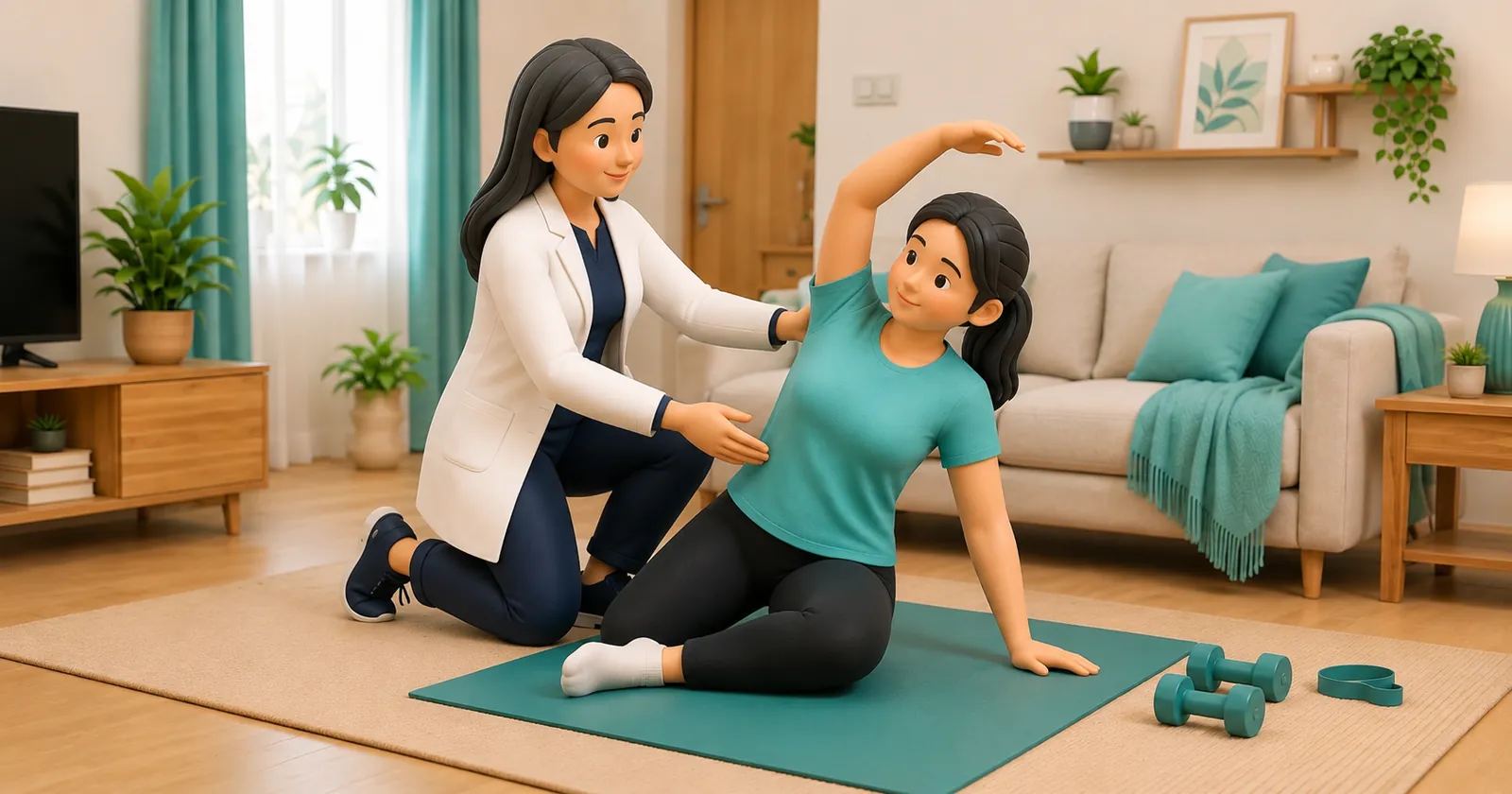
Exercise must be non-fatiguing, paced, and submaximal.
- Submaximal Pacing Rules: Prescribe gentle resistance band or bodyweight exercises at 50 to 60 percent of maximum capacity, performing 1 to 2 sets of 6 to 8 repetitions with long rest pauses.
- The Zero Post-Workout Fatigue Rule: The patient must not experience muscle aching, weakness, or fatigue that lingers more than 10 to 15 minutes post-exercise.
- Warm-Water Aquatic Therapy (32-34 deg C): Exercising in a warm hydrotherapy pool unloads arthritic joints, buoyant water supports weak limbs, and warmth alleviates severe cold intolerance.
- Modern Lightweight Orthotic Upgrades: Replace heavy, rusty steel calipers (traditional Indian calipers) with custom carbon-fiber Knee-Ankle-Foot Orthoses (KAFOs) equipped with stance-control knee joints, reducing walking energy expenditure by over 40 percent.
Managing Severe Cold Intolerance in India
Polio-affected limbs frequently suffer from destroyed sympathetic vasoconstrictor tone, causing the leg to become pale, blue, and excruciatingly painful in winter.
Physiotherapists prescribe thermal leg warmers, warm footwear, and schedule indoor morning rehabilitation after room heaters warm the space.
Frequently Asked Questions
Is Post-Polio Syndrome a reactivation of the polio virus?
No. The polio virus is dead and gone. PPS is not an active infection, and it is completely non-contagious. It is a secondary mechanical and metabolic breakdown of overworked giant motor nerve units.
Can exercise strengthen polio-weakened muscles?
Moderate, non-fatiguing exercise can maintain muscle tone and cardiovascular fitness. However, severely weakened muscles (MRC grade < 3) cannot be strengthened and must be protected with orthotic bracing to prevent premature failure.
What is a Stance-Control KAFO (SCKAFO)?
Traditional calipers lock the knee rigid in extension throughout both stance and swing phases, forcing a high-energy circumduction limp. A stance-control orthosis locks only when bearing weight and unlocks freely during swing, permitting natural, fluid walking.
Related condition guides


Related recovery guides & articles
BookPhysio.in Editorial Team
The BookPhysio.in editorial team writes and maintains this content, checking it against reliable clinical sources. Content follows our medical review policy: general information only, and no page claims a clinical review until a named registered physiotherapist has signed it off.
Read our medical review policy