
Rotator Cuff Shoulder Pain from Indian Cooking: Kadai Stirring, Rolling Pins (Belan), and Physio Rehab
In short
Repetitive kadai stirring and single-handed pressure cooker lifting shred rotator cuff tendons. Discover ergonomic culinary modifications and strengthening physio.
In this guide (5 sections)
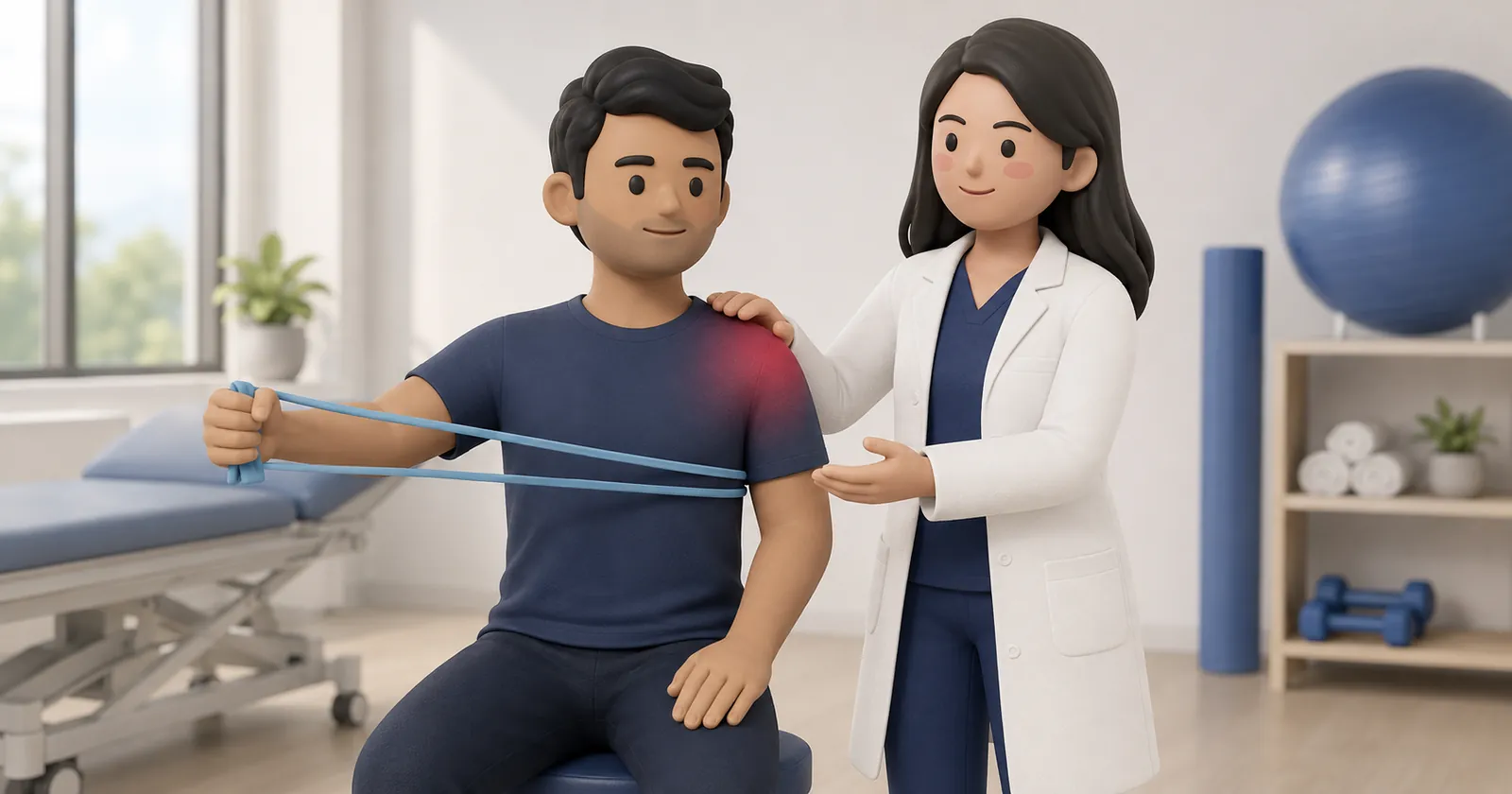
Traditional Indian culinary preparation is renowned globally for its complex flavours and slow-cooked richness. However, in orthopaedic and physiotherapy clinics across India, the kitchen is quietly recognized as a high-volume hazard zone for chronic upper limb overuse injuries. Middle-aged homemakers, home caterers, and professional chefs frequently present with severe anterior shoulder pain, night-time throbbing, and inability to fasten garments behind their back: yet they rarely connect their symptoms to their daily cooking routines.
From vigorously stirring thick, viscous halwas and gravies in heavy cast-iron or brass kadais for 45 minutes, to kneading stiff dough and rolling dozens of rotis with a wooden rolling pin (belan), to lifting 5-to-8-litre filled steel pressure cookers with a single hand: Indian culinary ergonomics places punishing eccentric and repetitive frictional loads on the delicate tendons of the rotator cuff. Specialized shoulder physiotherapy and simple culinary modifications heal inflamed tendons and restore pain-free cooking.
1. Pathophysiology: Subacromial Impingement, Critical Zone Ischaemia, and Biceps Strain
The rotator cuff is a dynamic functional convergence of four deep muscular tendons: the supraspinatus, infraspinatus, teres minor, and subscapularis: whose primary mechanical duty is to center the humeral head tightly within the shallow glenoid cavity during arm elevation. These tendons pass through a narrow subacromial space measuring barely 8 to 10 millimeters between the humeral head and the overlying coracoacromial arch.
During repetitive cooking tasks: such as stirring a large kadai or rolling rotis: the arm is held in continuous, sustained internal rotation, abduction, and slight forward flexion. In this position, the avascular "Critical Zone" of the supraspinatus tendon is pinched repeatedly against the anterior undersurface of the acromion process and coracoacromial ligament: a mechanical conflict known as Neer's Subacromial Impingement.
Furthermore, lifting a heavy pressure cooker or pot with one extended arm creates a massive distraction lever arm across the long head of the biceps brachii tendon and supraspinatus insertion. The tensile load exceeds the physiological yield point of the tendon fibers, inducing microscopic collagen disruption, tendon thickening (tendinosis), and hypervascular tenosynovitis that manifests as sharp catching pain whenever the arm is lifted overhead.
| Indian Cooking Task | Kinematic Joint Posture & Mechanical Load | Anatomical Tendon Impact | Ergonomic & Physio Solution |
|---|---|---|---|
| Stirring Thick Kadai (Bhuna/Halwa) | Continuous internal rotation, forearm pronation, repetitive torque | Supraspinatus impingement; subacromial bursitis; lateral epicondylitis | Use body weight swaying; stand on stool; alternate hands every 5 mins |
| Rolling Rotis / Chapatis (Belan) | Downward axial pressure + rapid alternating internal/external rotation | Infraspinatus fatigue; tenosynovitis of flexor tendons and wrists | Adjust counter height; use heavy stone rolling board; ergonomic rolling pin |
| Lifting Heavy Pressure Cookers | Sudden high-load eccentric distraction on extended single arm | Acute partial-thickness supraspinatus tears; biceps anchor strain | Strict two-handed lifting rule; slide cookers across counter; use small pots |
| Reaching into High Kitchen Cabinets | End-range forward flexion + external rotation carrying weight | Pinches rotator cuff against acromion spur; secondary neck spasms | Reorganize spice jars to chest level; use sturdy two-step kitchen ladder |
2. Indian Kitchen Architecture: Counter Heights and Heavy Cookware
The architecture of Indian modular kitchens frequently exacerbates shoulder pathology. Standard Indian kitchen granite countertops are installed at a uniform height of 85 to 90 centimeters (34 to 36 inches), regardless of the homemaker's height. For a petite woman measuring 5 feet tall, an 86-centimeter counter topped with a 15-centimeter high gas burner and a deep kadai forces her to cook with her elbows elevated at shoulder height (abducted past 75 degrees), placing her rotator cuff in constant, high-pressure impingement.
Furthermore, traditional Indian cookware is exceptionally heavy. Heritage culinary traditions celebrate the health benefits of cooking in heavy cast-iron kadais, brass handis, or thick tri-ply stainless steel pressure cookers that weigh 3 to 5 kilograms when completely empty: and up to 8 to 10 kilograms when filled with mutton curry or dal. Lifting these vessels to clean or drain at the sink places acute failure loads on ageing tendons.
Culinary habits can be updated without sacrificing cultural flavor. By optimizing working counter heights, adopting two-handed vessel handling, and following structured rotator cuff reconditioning, cooks can eliminate shoulder agony.
3. Three-Phase Rotator Cuff Reconditioning and Culinary Ergonomics Protocol
Three-Phase Culinary Rotator Cuff Rehabilitation Protocol
Objective: Relieve subacromial friction, restore posterior rotator cuff centering strength, and implement ergonomic kitchen workflows.
- 1Phase 1 (Immediate Kitchen Ergonomic Overhaul - Day 1): 1. The Two-Handed Rule: NEVER lift a pressure cooker, heavy kadai, or milk container with one hand. Always use both hands, keeping elbows tucked close to your ribs, or slide the pot across the granite counter rather than lifting it through the air. 2. Step Stool for Stirring: if your stove is too high, stand on a wide, sturdy 10-centimetre wooden kitchen platform so your elbows rest comfortably below chest level. 3. Spice Jar Relocation: move all daily spices (masala dabba), oils, and tea tins from high overhead cabinets down to waist-level shelves.
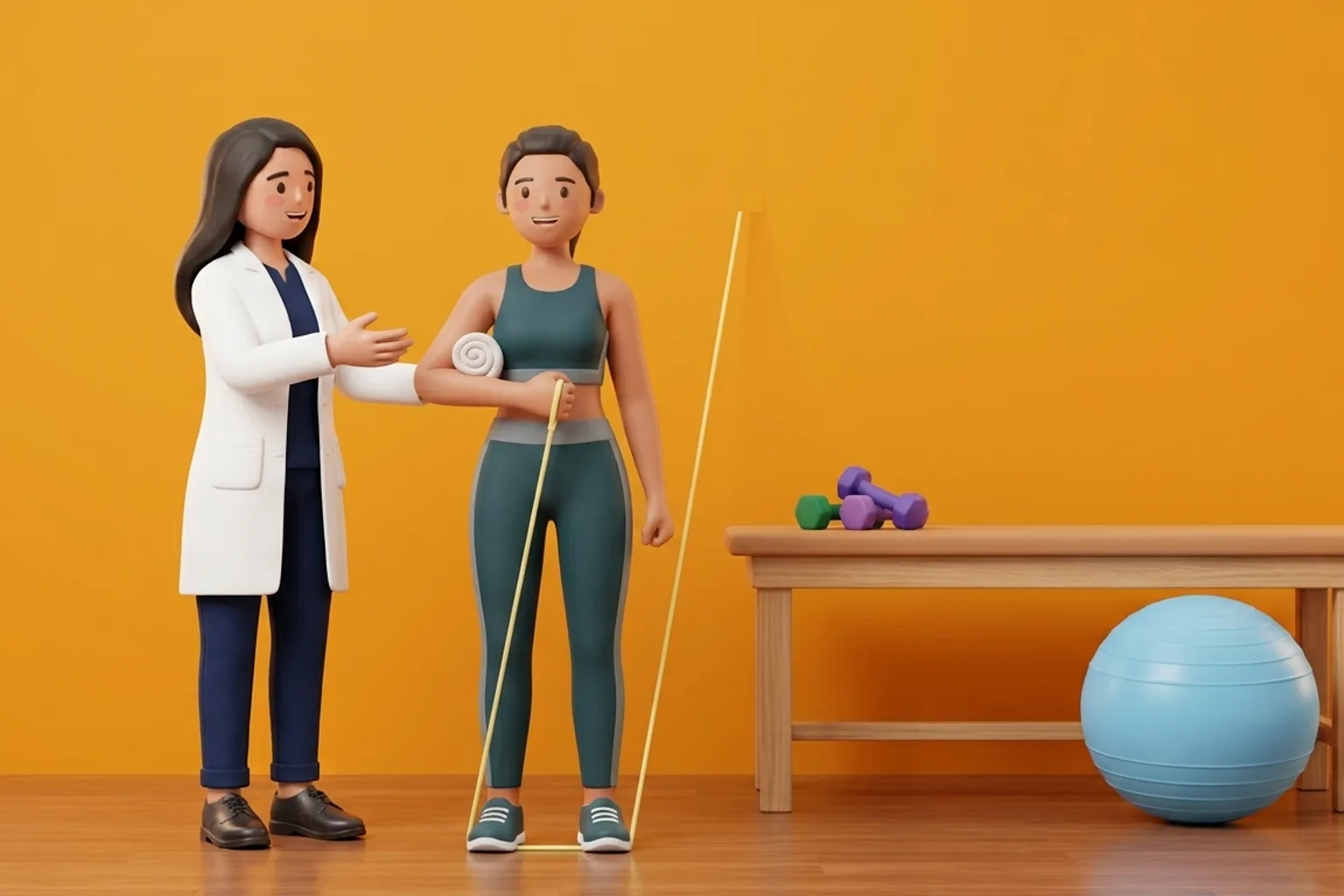
- 2Phase 2 (Subacromial Decompression and Posterior Capsule Mobility - Daily): 1. Cross-Body Stretch: gently pull your affected arm across your chest with your opposite hand, keeping your shoulder blade depressed; hold for 30 seconds; repeat 3 times. 2. Sleeper Stretch: lie on your affected side, elbow bent at 90 degrees; gently press your forearm downward toward the mattress to release the tight posterior capsule. 3. Wall Slides: place forearms on a wall, slide upward into a "V" shape while actively retracting shoulder blades.
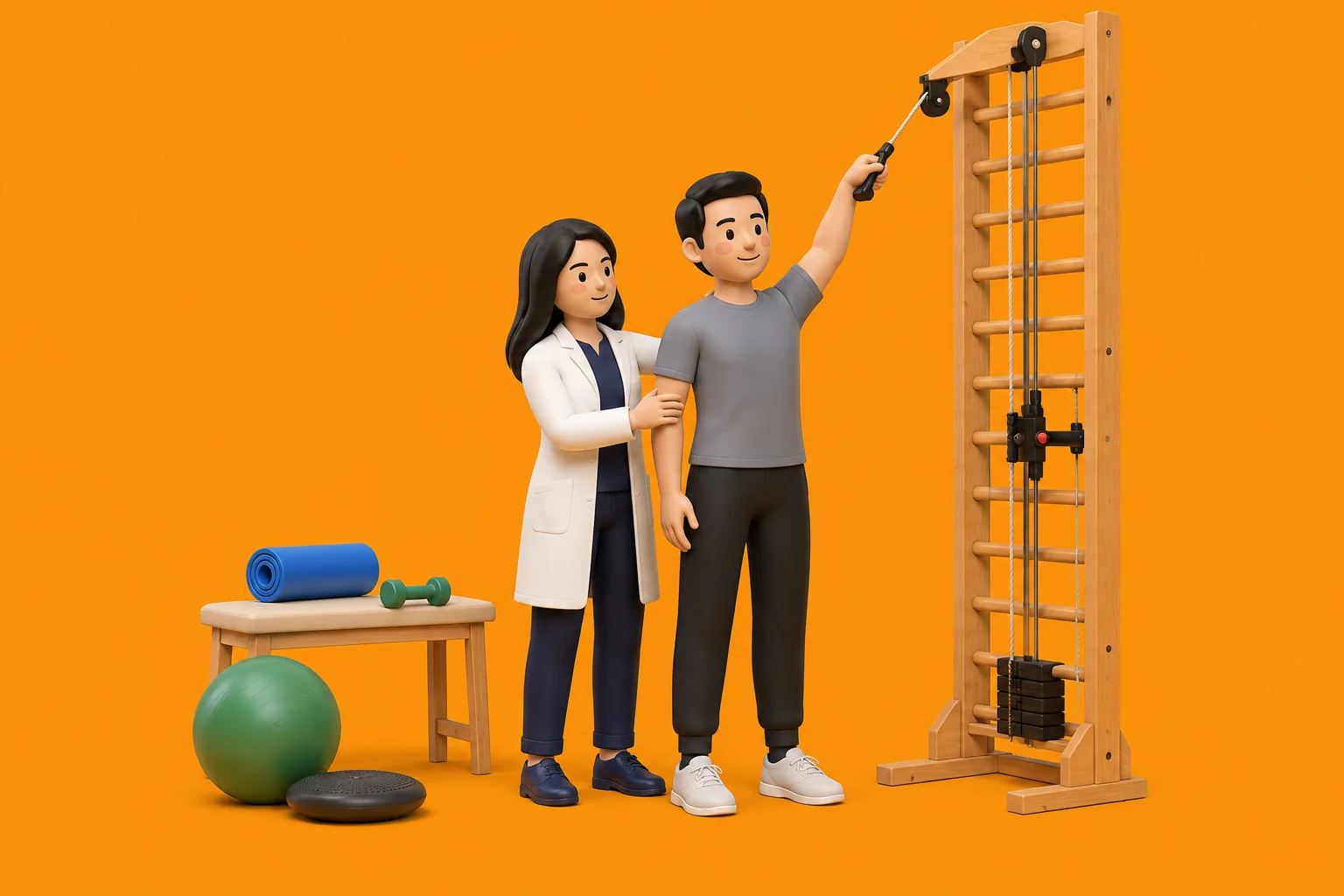
- 3Phase 3 (Progressive Rotator Cuff and Scapular Conditioning - 4 Days Weekly): Rebuild external rotators to pull the humeral head down away from the acromion roof: 1. Sidelying External Rotation: lie on your unaffected side holding a 1 kg dumbbell or 500 ml water bottle; rotate your forearm upward toward the ceiling, keeping elbow pinned to your side; perform 3 sets of 10 repetitions. 2. Resistance Band Face-Pulls: anchor a band at eye level; pull toward your forehead, flaring elbows back and squeezing shoulder blades.
- 4Stirring Technique Cue: When stirring thick halwa or bhuna masalas, do not move only your arm. Keep your elbow pinned against your ribcage and sway your entire torso and body weight back and forth to drive the spoon, using your hips and core rather than your shoulder.
4. Critical Red Flags: Detecting Full-Thickness Rotator Cuff Tears
While tendinopathy responds well to conservative physiotherapy, an acute full-thickness tear of the rotator cuff requires prompt orthopaedic surgical evaluation. Seek urgent specialist consultation if you experience a sudden, sharp "pop" in your shoulder while lifting a heavy pot followed by immediate total inability to lift your arm out to the side, a positive "Drop Arm Sign" where you cannot smoothly lower your arm from shoulder height and it drops uncontrollably, severe unremitting night pain that prevents sleep entirely, or noticeable progressive muscle wasting and hollowing over the top or back of your shoulder blade (supraspinatus/infraspinatus atrophy).
Frequently Asked Questions
Why does my shoulder throb and ache intensely at night after a busy day of cooking?
During the daytime, continuous arm elevation and stirring cause repetitive microtrauma and swelling inside the subacromial bursa. When you lie down flat at night, gravity no longer pulls the arm downward, allowing the inflamed bursa and tendons to swell inside the narrow subacromial space, compressing sensitive sensory nerves.
What is the "Painful Arc" test for rotator cuff impingement?
Raise your arm straight out to your side toward the ceiling. If you experience minimal pain below 60 degrees, severe sharp catching pain between 60 and 120 degrees, and the pain disappears once your arm is elevated past 120 degrees near your ear: you have a classic positive Painful Arc sign, indicating subacromial impingement.
Can I continue making chapatis if I have rotator cuff tendonitis?
Yes, with modifications. Use a heavier stone or marble rolling board (chakla) that stays firmly grounded without sliding, so you do not need to press downward with force. Maintain an upright posture and roll using relaxed forearm movements rather than tense, elevated shoulders.
Are cortisone steroid injections safe for shoulder pain caused by cooking?
A single targeted ultrasound-guided subacromial corticosteroid injection can provide rapid pain relief during severe inflammatory flares. However, repeated steroid injections weaken collagen fibers, inhibit cellular repair, and significantly increase the risk of permanent rotator cuff tendon rupture.
How do I book a specialized shoulder physiotherapist through BookPhysio.in?
BookPhysio.in connects patients across Indian cities with certified musculoskeletal physiotherapists specializing in rotator cuff rehabilitation, dry needling, and shoulder biomechanics. Consultations are available at clinic (₹400 to ₹1,500) or via home visits (₹600 to ₹2,000), with zero advance platform commission and direct payment at your appointment.
Related condition guides

BookPhysio.in Editorial Team
The BookPhysio.in editorial team writes and maintains this content, checking it against reliable clinical sources. Content follows our medical review policy: general information only, and no page claims a clinical review until a named registered physiotherapist has signed it off.
Read our medical review policy